 Kidy
KidyHealth & everyday care
Fevers, coughs, rashes, and the question every parent asks at 2 a.m.: is this normal, or do we call someone? These guides give you grounded, evidence-based answers.

Health is where parenting gets straight to the 2 a.m. question: is this normal, or do we call someone? Fevers, coughs, rashes, and strange symptoms arrive without warning, and the hard part is rarely the illness itself but knowing how worried to be.
This topic pulls together our evidence-based guides on common childhood illnesses and everyday care, written to help you tell ordinary from urgent. You will find articles on:
- fever, what it means, and when it matters
- coughs, colds, and the endless winter bugs
- rashes, tummy upsets, and other common worries
- teething, sleep, and the symptoms wrongly blamed on it
- clear signs that mean call the doctor now
A first principle changes a lot of the worry: how your child looks and behaves usually tells you more than a number on a thermometer. A child who is alert, drinking, and playing between fevers is reassuring; one who is floppy, struggling to breathe, very pale, or hard to wake needs attention regardless of the reading. Fever itself is not the enemy. It is part of how the body fights infection, and the goal of treating it is comfort, not chasing a normal number.
It also helps to know that most common childhood illnesses are viral. They run their course over a few days, ask for rest, fluids, and comfort rather than a cure, and do not improve with antibiotics, which only work against bacteria. Young children catch a remarkable number of these bugs, especially once they start daycare, and a string of back-to-back colds through winter is usually a sign of a busy immune system learning its job, not of something being wrong.
Watching the trend matters more than any single moment. A child who is slowly perking up across a few days, eating a bit more and playing again, is usually on the mend even if symptoms linger. A child who is getting steadily worse, drinking less, breathing harder, or far less responsive, needs to be seen. You are the expert on your own child, and noticing that they are just not themselves is genuine, useful information.
This content is educational and never replaces medical advice. Knowing the real red flags, and that you are always allowed to seek help when something feels off, matters more than memorising every symptom. Pick the guide that matches your worry, then call your doctor, pediatrician, or local health service whenever your gut says something is not right.
 Start hereHow to prepare for a pediatric visit using your child's data: a parent's guideWhat to log the week before, the 24-hour pre-visit flow, sick vs well-visit logic, what to bring beyond the log, and questions doctors actually want to hear.9 min read
All articles
 Infant Colic: Why Your Baby Cries for Hours and What HelpsColic means hours of crying in a healthy baby with no clear cause. What counts, when it ends, what helps, and why doctors now call it infant distress syndrome.11 min read
 Vitamin D drops for babies: how much, and for how long?How much vitamin D does a baby need and when do you start? The daily dose, how long to keep going, and why one bottle's drop is not another bottle's dose.8 min read
 Strep Throat in Children: When a Swab Is Needed and When It Is Probably ViralHow to tell a viral sore throat from strep in a child, when a throat swab or rapid test is worth it, when kids go back to school and who else needs testing.11 min read
 Hand, Foot and Mouth Disease in Children: Rash, Mouth Ulcers and NurseryHow to tell it apart from chickenpox, what the rash looks like, how long it lasts and stays contagious, what helps the mouth ulcers, and nursery rules.11 min read
 Stomach Bug in Kids: What to Give After Vomiting and When to WorryHow long a stomach bug lasts, what to give to drink and how much at a time, when to bring food back, the dehydration signs, and when they can go back.10 min read
 Pinworms in Children: Nighttime Itching, Symptoms and TreatmentWhy the itching comes at night, how the tape test works, why the whole household gets treated, whether a second dose is needed and if school is still fine.10 min read
 When Can My Child Return to Daycare After Being Sick? Fever, Vomiting, DiarrheaThe fever, vomiting and diarrhea rules for going back to daycare, what does not require staying home at all, and whether you actually need a doctor's note.8 min read
 Head Lice in Children: What to Do, How to Remove Nits and When They Can ReturnHow to spot nits, tell them from dandruff, remove head lice by wet combing, what to do about bedding, who else to check, and when your child can go back.9 min read
__w600.webp) Baby Hives: Causes, What to Do, and When It's an EmergencyRaised, itchy welts on your baby that come and go? Learn what causes hives, safe home care, and the swelling-and-breathing signs that mean call 911 now.8 min read
Baby Hives: Causes, What to Do, and When It's an EmergencyRaised, itchy welts on your baby that come and go? Learn what causes hives, safe home care, and the swelling-and-breathing signs that mean call 911 now.8 min read Impetigo in Babies: Signs, Treatment, and When to WorryHoney-crusted sores around your baby's nose or mouth? Learn how to spot impetigo, when it needs antibiotics, how long it stays contagious, and when to call.9 min read
__w600.webp) Baby Snoring: When It's Normal and When to WorryIs your baby snoring, with a stuffy nose or without? Why newborns snore, which noises are normal, what helps tonight and the breathing signs that need a doctor.10 min read
Baby Snoring: When It's Normal and When to WorryIs your baby snoring, with a stuffy nose or without? Why newborns snore, which noises are normal, what helps tonight and the breathing signs that need a doctor.10 min read Oral Thrush in Babies: Treatment, Causes, and When to CallWhite patches in your baby's mouth that won't wipe off? Learn to tell thrush from milk residue, how it's treated, and the hygiene that stops it returning.9 min read
 Baby Sunburn: Care, Prevention, and When to Call the DoctorBaby sunburn worries you? Learn how to protect babies and toddlers from the sun, treat a mild burn at home, and the red flags that mean call a doctor now.10 min read
 Baby Allergic Reaction: Signs to Watch and What to DoHow to spot an allergic reaction in a baby after a new food, tell mild hives from anaphylaxis, and act fast. Clear emergency steps and a doctor checklist.9 min read
 Pink Eye (Conjunctivitis) in Babies: Red, Goopy Eye GuideBaby has a red, crusty, goopy eye? Learn viral vs bacterial vs allergic pink eye, home care, when antibiotic drops help, and the red flags that need a doctor.10 min read
 Baby Wheezing: When to Worry and When to Call for HelpBaby wheezing while breathing? Learn the causes, the red flags that mean an ER trip, and when a whistly cold is normal. A calm guide for worried parents.9 min read
 Croup and the Barking Cough at Night: A Calm GuideCroup brings a sudden barking cough and noisy breathing at night. Learn the calm first steps, the red flags that mean the ER, and when to call the doctor.6 min read
 Impetigo in Children: Symptoms, Treatment and When to WorryHoney-colored crusts around your child's nose or mouth? Learn to spot impetigo, how contagious it is, when to see a doctor, and how to stop it spreading.10 min read
 Baby Dehydration: Signs to Watch and What to DoWorried your baby is dehydrated? Learn the wet-diaper rule, the early and emergency signs, what to give and what to avoid, and when to call the doctor.9 min read
 Baby Reflux vs Normal Spit-Up: How to Tell the DifferenceIs it normal spit-up or reflux (GERD)? Learn the frequency norms, the weight-gain tiebreaker, red-flag signs, and safe positioning tips backed by AAP and NHS.8 min read
 Baby Bumped Their Head or Fell: When to WorryBaby fell or bumped their head? Learn the head-injury red flags, when to watch at home, and when a bump means a 911 call. A calm, practical parent guide.8 min read
 Baby poop colors: what's normal and when to worryGreen, yellow, black, white or red baby poop? A simple color-by-color guide to normal newborn stool, what each shade means, and the 3 colors to call about.8 min read
 Baby Growth Percentiles Explained: Weight, Length, HeadConfused by your baby's growth percentile? Learn what weight, length and head-size numbers really mean, which chart your doctor uses, and when to worry.8 min read
 How to Take a Baby's Temperature Correctly by MethodRectal, armpit, ear or forehead? Learn how to measure your baby's temperature correctly by age, the right technique, and what counts as fever per method.9 min read
 Baby's First Fever: When a Tiny Baby Needs a Doctor NowYour baby's first fever can be scary. Learn the exact temperature that means call the doctor now, how to measure it right, and the red flags to never wait on.10 min read
 Is My Baby Getting Enough Milk? Signs to WatchWorried your baby isn't getting enough milk? Learn the wet-diaper counts, weight-gain signs, and swallowing cues that confirm enough - plus when to call.9 min read
 Baby Rash Types: A Parent's Guide to Telling Them ApartA plain-language guide to common baby rashes, how to tell them apart, the one rash that's a real emergency, the glass test, and exactly when to call the doctor.9 min read
 Toddler Constipation: What Actually Helps (and What to Skip)Toddler constipated? Learn what causes it, the food and routine changes that actually help, the withholding cycle to watch for, and when to call the doctor.8 min read
 Baby Vomiting vs Spitting Up: How to Tell the DifferenceIs your baby spitting up or actually vomiting? Learn the difference, why babies spit up so much, the red flags that mean vomiting, and when to call the doctor.8 min read
 Cradle Cap in Babies: What Actually Helps (and What to Skip)Cradle cap looks alarming but is harmless. Learn what causes it, how to treat baby cradle cap safely at home, and the few signs that mean call the doctor.8 min read
 Baby Fever After 2, 4, 6 & 12 Month Shots: How Long It LastsFever after your baby's 2, 4, 6 or 12 month shots? How long it lasts by age, how to treat it, why MMR fever shows up a week later, and when to call a doctor.15 min read
 Baby cold vs flu symptoms: how to tell the differenceCold or flu in your baby? Compare onset, fever, energy and appetite side by side, spot the flu red flags, and know exactly when to call the pediatrician.9 min read
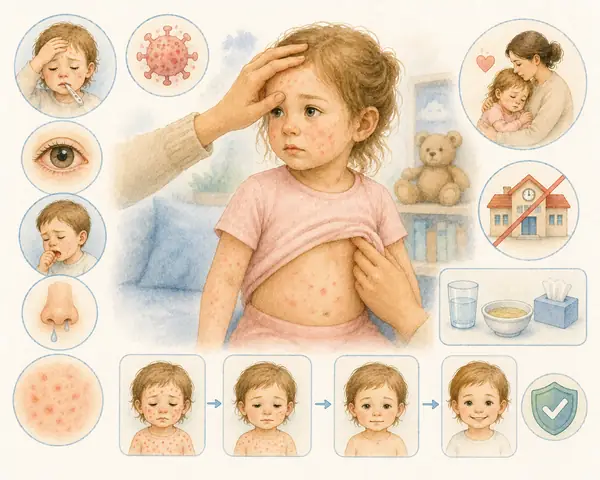 Scarlet Fever in Children: Symptoms and TreatmentScarlet fever in children comes from group A strep: sore throat, fever, and a sandpaper rash. It needs antibiotics. Symptoms, home care, and when to call.10 min read
 Baby Runny Nose: How to Help and When to Call the DoctorBaby with a runny nose? What saline and suction really do, why green snot is normal, and the exact signs that mean it is time to call the pediatrician.9 min read
 Diaper rash: how to treat it fast and keep it from coming backHow do you treat diaper rash fast? Frequent changes, thick zinc-oxide cream and daily air time clear most rashes in 3 days. Plus the signs it needs a doctor.8 min read
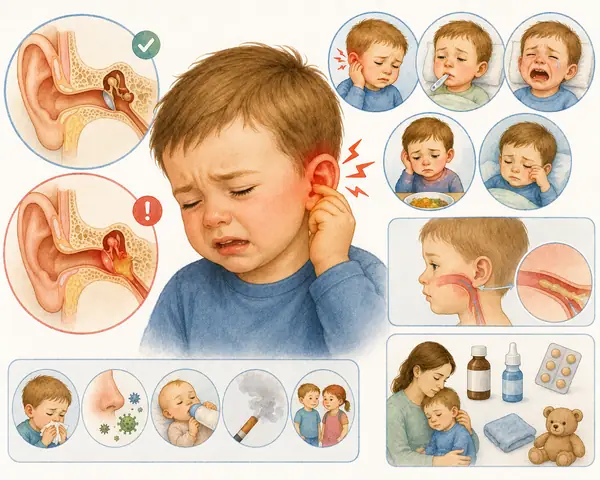 Ear Infection in Babies: Signs and TreatmentWorried your baby has an ear infection? Learn the signs a pre-verbal baby can't say out loud, when antibiotics actually help, and the 48–72 hour watch rule.11 min read
 Baby eczema vs. baby acne: how to tell the differenceRed bumps or dry itchy patches on your baby's face? How to tell baby acne from eczema by age, look and itch, what helps each one and when to see a doctor.9 min read
 Toddler coughing at night: causes and what actually helpsWhy does your toddler cough all night but seem fine by day? The main causes, from postnasal drip to croup, what helps tonight and when to call the doctor.9 min read
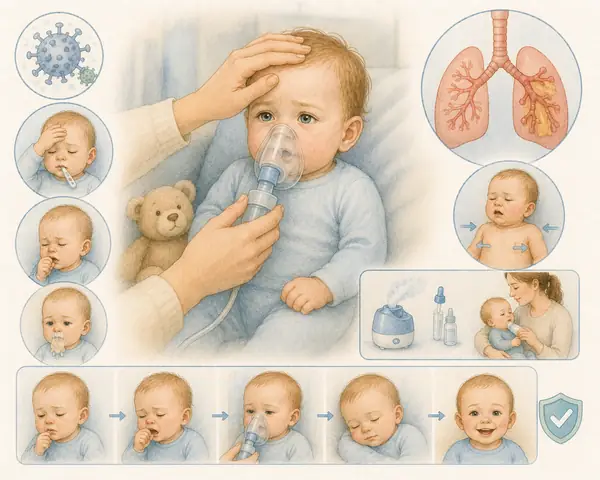 RSV and Bronchiolitis in Babies: When to WorryRSV and bronchiolitis in babies: symptoms, how the illness progresses, home care, and the red flags that mean call now. What helps, and when to get help.12 min read
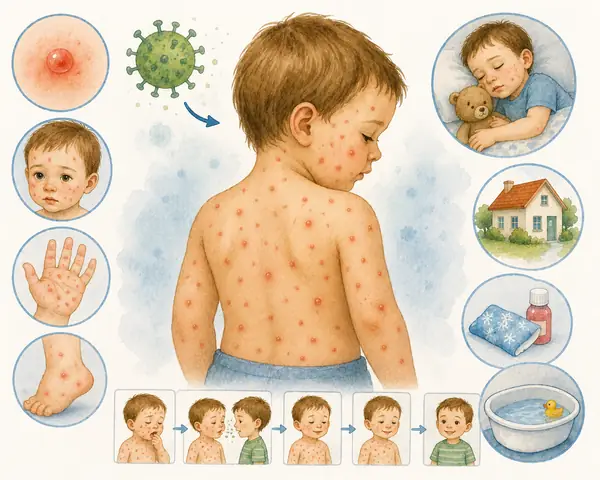 Chickenpox in children: what to expect, day by dayChickenpox in children: the timeline from first spots to scabs, home care, why you skip ibuprofen, and exactly when your child can go back to daycare.11 min read
 Overtired or sick? How to tell the difference in your babyIs your baby overtired or getting sick? Side-by-side signs, the one-nap test and clear red flags for calling the pediatrician. A practical parent guide.9 min read
 Is Bedwetting Normal? When to Worry (and When Not To)Bedwetting is common and rarely a sign of anything wrong. What's normal by age, why it happens, the shame nobody talks about, and when to see a doctor.9 min read
 When Do Babies Start Crawling? Ages, Types and What HelpsWhen do babies start crawling? Usually 7–10 months, but ranges are wide and some skip it. The crawling types, how to encourage it, and the real red flags.8 min read
 Car Travel With a Baby to the Coast: A Calm Summer GuideHeat, car sickness, and the long summer drive to the sea with a baby or toddler. Here is how to keep the trip calm, plus the one rule you must never break.10 min read
 Insect Bites and Stings in Children: A Calm GuideMosquito bites and stings in babies and kids, handled calmly: prevention, what soothes the itch, repellent safety by age, and the rare signs to act fast.11 min read
 Swimmer's Ear in Children: Pain, Causes, and TreatmentEar pain after swimming? Learn how to tell swimmer's ear from a middle-ear infection, how it's treated, and the simple drying habit that prevents most cases.9 min read
 Heat Rash in Babies: How to Treat and Prevent ItTiny red or clear bumps on your hot, sweaty baby? Heat rash is harmless and clears fast once you cool them down. How to treat, prevent, and when to call.10 min read
 The Sea and Eczema in Children: Help or Hurt?Does sea water help or hurt a child's atopic eczema? A calm myth-vs-fact guide to managing flares at the beach, rinsing salt, and when to call the doctor.9 min read
 Heat Exhaustion and Heatstroke in Children: First Aid GuideHeat exhaustion vs heatstroke in babies and children: how to tell them apart, first aid that works, and the exact signs that mean calling emergency now.9 min read
 Heat and Dehydration in Babies and Toddlers: A Calm GuideBabies overheat fast and can't tell you they're thirsty. A calm guide to heat and dehydration: warning signs, how to cool a child, and when to call for help.9 min read
 Baby's First Time at the Sea: What I Wish I KnewA mother of three on the first beach trip with a baby: when to go, how long, what to pack, and the panic nobody photographs. Calm, honest, and practical.8 min read
 Jellyfish and Sea Urchin Stings: First Aid for KidsYour child got stung by a jellyfish or stepped on a sea urchin? Calm, step-by-step first aid for both, what to skip, and when it really needs a doctor.8 min read
 Sun Protection for Babies and Toddlers: A Practical GuideHow to protect a baby or toddler from the sun: when to use sunscreen, the under-6-months rule, SPF and shade, UV index, and treating a sunburn calmly.7 min read
 Water Safety for Babies and Toddlers: A Calm GuideDrowning is fast, silent, and preventable. A calm water safety guide for babies and toddlers: pools, the sea, the bathtub, and exactly when to act fast.8 min read
 Twins Developing at Different Paces: What's Normal and What Isn'tOne twin walks, the other doesn't. One talks, the other waits. Here's what's actually normal between 0-3 years, and when a pediatric check is worth booking.10 min read
 Baby teething: signs to watch for and what actually helpsDrooling, chewing, a fussy week: is it teething? The real signs, when the first tooth comes, what soothes sore gums, what to skip, and when to call the doctor.10 min read
 Baby Weight Percentile: What It Really Means (And When to Worry)What a baby weight percentile really means, why crossing lines is common in the first months, and which changes are worth a call to your pediatrician.11 min read
 First night home with a newborn: what I wish I'd knownAn honest, practical guide to your first night home with a newborn — feeding, safe sleep, the first 72 hours, and when to actually call the pediatrician.19 min read
 Baby Not Pointing at 12 Months: Signs, Causes, How to HelpBaby not pointing at 12 months? When it is normal, which signs together are worth a call, what pediatricians look at, and 5 ways to encourage pointing.9 min read
 First baby bath at home: a guide for parents who panicI remember the panic before our first baby's bath at home. Thermometer, ten Google tabs, shaking hands. Here is the practical guide I wish I had had then.8 min read
 Do babies need probiotics after antibiotics? What science saysShould you give your baby a probiotic after antibiotics? What evidence supports, what doesn't, and the safer plan, hydration, feeding, and when to call.8 min read
 Fever and cough in children: when to monitor and when to call the doctorChild has a fever or cough? Clear guide on what to watch, warning signs, age-specific rules, when to call the pediatrician, and when to go to urgent care.10 min read
Frequently asked questions
When should I worry about my child's fever?
Watch how your child looks and acts more than the exact number. Seek care for a fever in a baby under three months, a very high or persistent fever, or any fever with breathing trouble, a rash that does not fade, a stiff neck, dehydration, or a child who is very drowsy or hard to wake.
How can I tell if it is just a cold or something serious?
Most colds bring a runny nose, mild cough, and a few rough days, with the child still drinking and perking up at times. Faster or labored breathing, refusing fluids, high persistent fever, or a child who seems very unwell are reasons to call your doctor.
Is teething making my baby sick?
Teething can cause drooling, gum discomfort, and irritability, but it does not cause high fever, vomiting, or diarrhea. If your baby has those, look for another cause and check with your doctor rather than blaming teeth.
When should I take my child to the doctor?
Trust your instincts. Seek care for trouble breathing, a rash that does not fade under pressure, a fever in a young baby, dehydration, unusual drowsiness, a seizure, or any symptom that worries you. You never need to justify asking.
How do I treat a fever at home?
Keep your child comfortable and well hydrated, dress them lightly, and use fever medicine dosed for their weight if they are uncomfortable. The goal is comfort, not a normal number. Always follow dosing instructions and ask your pharmacist or doctor if unsure.
Read along with this topic
Gentle stories where your child is the hero and Grow the friend.

Grow and the Tooth Castle
Read together →

Grow and the Brave Checkup
Read together →

Grow and the Bubble Hands
Read together →

Grow and the Waterfall Hair
Read together →

Grow and the Poorly Day
Read together →

Grow and the Brave Knee
Read together →
Instead of generic tips, get personalized sleep and development guidance.
Download the app ->