 Kidy
Kidy
What should a 5-year-old be doing?
By 5 many children speak in complex sentences, count past 10, name letters and some sounds, play cooperatively with real friendships, and show more independence, the runway to school. Ranges are wide. Here is what is typical at 5 across speech and early literacy, thinking, behavior and play, plus the signs worth a pediatrician chat.
Five-year-olds are full of questions about how the world works and care deeply about friends, fairness and rules. They are learning letters, sounds and numbers, and swing between wanting to be a big kid and needing a cuddle. Here is what is typical at five, what helps with school readiness, and the questions parents ask.
Age: 5 years (60 months).
Most children at this age: speak clearly in complex sentences, count past 10, name letters and colors, play cooperatively, and show growing independence.
Common concerns this month: starting-school worries, screen-time limits, big feelings and friendship ups and downs, focus and sitting still, picky eating. Most are a normal part of development.
Typical sleep: about 9 to 12 hours a night, almost always without a nap.
This month in real life
Not milestones, just what this age often feels like day to day.
- are full of questions about how the world works
- care a lot about friends, fairness and rules
- are learning letters, sounds and numbers
- swing between "big kid" and needing a cuddle
✨ What's changing now
The shifts most families notice this month.
- Clear, complex sentences and real storytelling
- Counting past ten, naming letters and colours
- Cooperative play and genuine friendships
- Growing independence, dressing, simple chores
- Getting ready for the jump to school
Sleep at 5 years
- About 9–12 hours a night, almost always without a nap
- A steady bedtime routine still protects mood and focus
- Occasional nightmares are normal; night terrors fade
- Resisting bedtime is common; calm, consistent limits help
Eating at 5 years
- Uses utensils well and helps with simple food prep
- Still has strong likes and dislikes; pressure backfires
- Appetite tracks growth and activity
- Family meals and modelling matter more than "clean plates"
Development
- Stands on one foot 10+ seconds, hops and skips
- May start to skip and ride a bike with training wheels
- Uses a fork well and a knife for soft foods
- Prints some letters and numbers, copies a triangle and square
- Speaks in complex, grammatical sentences
- Tells longer stories and can define simple words
- Recognises and names many letters
- Hears and plays with rhymes and beginning sounds (phonics emerging)
- May start reading a few simple words
- Wants to please friends and be like them
- Follows rules and understands fairness
- Tells real from make-believe
- Manages emotions better, but still needs support
- More independent and ready for more responsibility
radio_button_checked Right now
- Clear, complex sentences and storytelling
- Counting to 20 and naming letters
- Cooperative play and real friendships
schedule Coming soon
- Reading simple words and early writing
- Tying shoes
- Sitting and focusing for school
- Basic addition and subtraction
Useful tools for this age
Free calculators that fit this stage.
Stories for this age
Gentle stories where your child is the hero and Grow the friend.

Grow and the Stars
Read together →

Grow and the Magic Bridge
Read together →

Grow and the Cloud Full of Feelings
Read together →

Grow and the New Star
Read together →

Grow and the Tooth Castle
Read together →
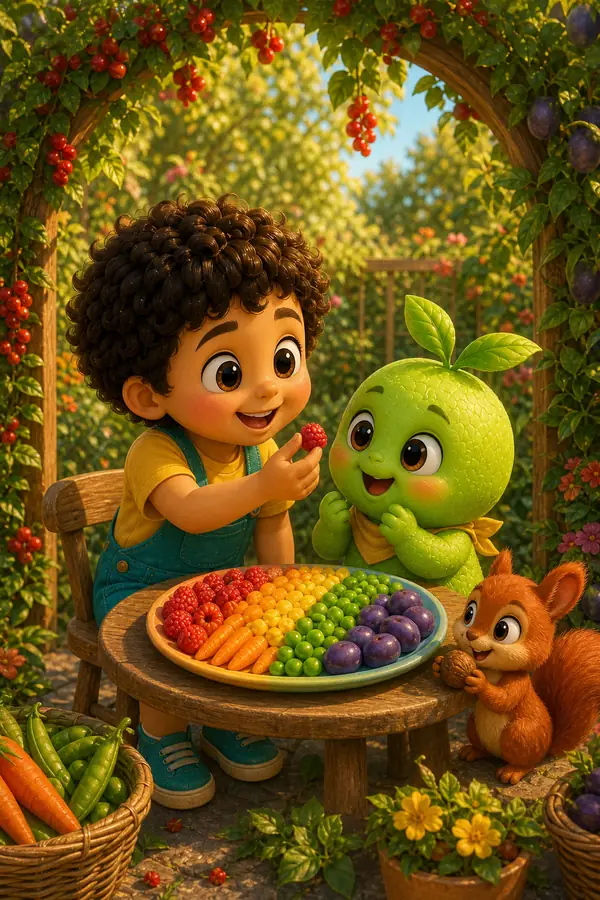
Grow and the Rainbow Plate
Read together →
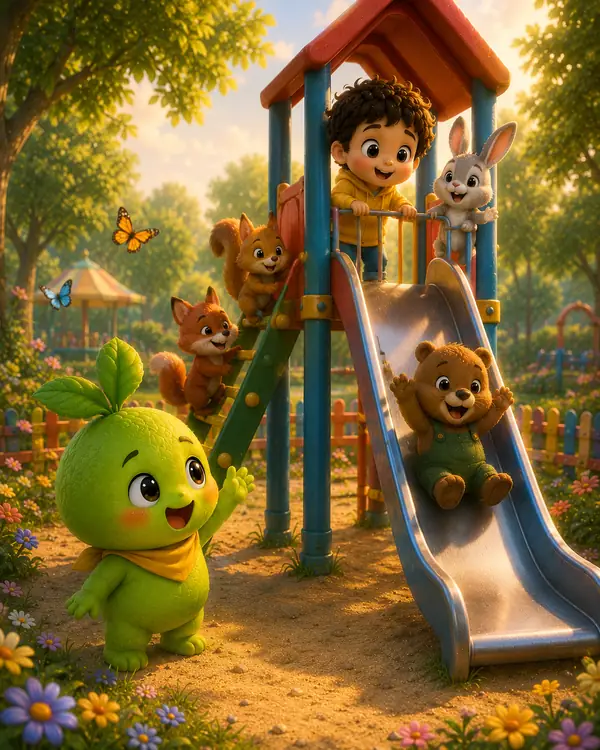
Grow and the Tall Slide
Read together →
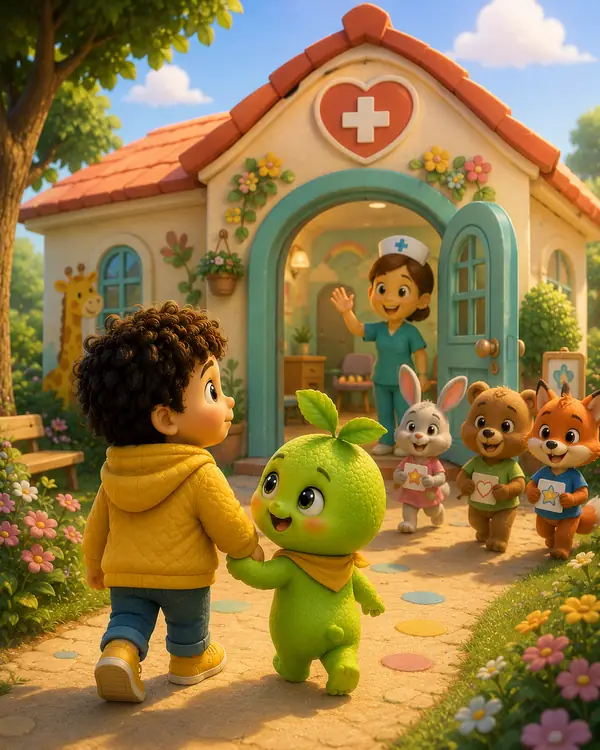
Grow and the Brave Checkup
Read together →
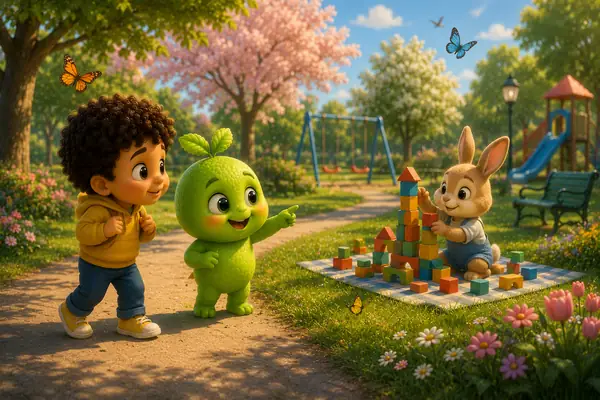
Grow and the New Friend
Read together →
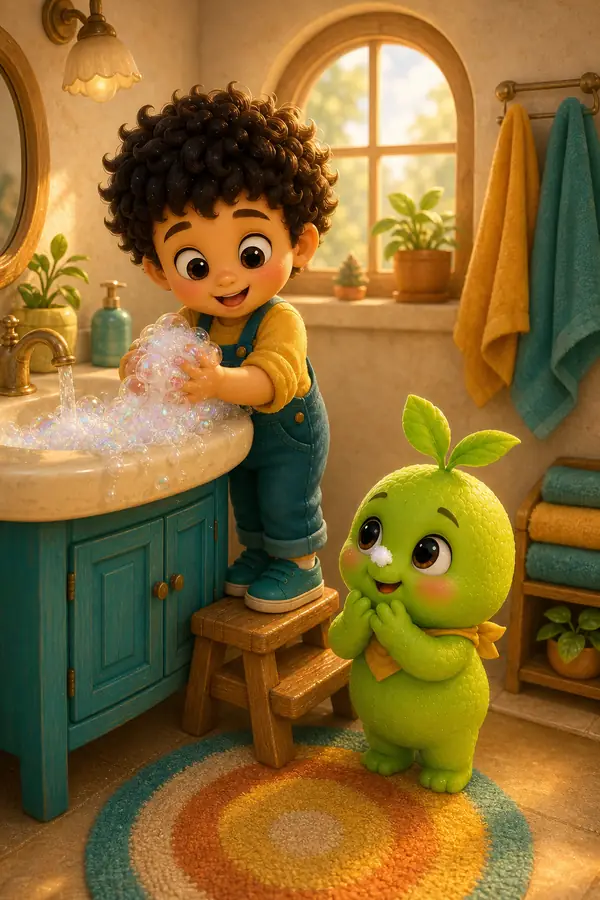
Grow and the Bubble Hands
Read together →
Many parents wonder…
If you landed here because of one of these, you're in the right place. These are common at this age and usually part of normal development.
🎯 Play & activities
target Focus: School readiness & early reading
Age-matched activities from KidyGrow's developmental library.
When to talk to your pediatrician
Most variation is normal. Reasons to ask, not reasons to panic.
- Speech that's hard for others to understand
- Can't follow 3-step instructions
- No interest in letters, sounds or other children
- Extreme fears or anxiety that disrupt daily life
- Can't separate from a parent for school or play
- Any loss of skills the child previously had
Browse by age
- CDC Developmental Milestones
- AAP Bright Futures
- WHO Child Development Guidance
Frequently asked
- What should a 5-year-old be doing?
- Many speak in complex sentences, count past 10, name letters, play cooperatively, dress and manage simple tasks alone, and show growing independence. Wide ranges are normal.
- Is my 5-year-old ready for school?
- Readiness is mostly about focus, independence, following rules and getting along, not reading early. Most children grow into it with support.
- How much screen time for a 5-year-old?
- AAP suggests consistent limits and co-viewing. Quality matters as much as quantity; protect sleep, meals and play.
- Should a 5-year-old be reading?
- Many recognise letters and sounds and read a few simple words by the end of kindergarten, but the range is wide. Reading together daily helps most.
- When should I worry at 5?
- Speech others can't understand, no interest in letters or other children, extreme fears, or any loss of skills are worth a pediatrician chat.
Wondering if your baby is on track?
KidyGrow learns your child's patterns and turns them into a daily brief, gentle next steps, and a prep summary you can take to the pediatrician.
Get KidyGrowSources: CDC Developmental Milestones (2023 Update); AAP Bright Futures Guidelines (4th Edition, 2024); WHO Child Growth Standards. Every child develops at their own pace.