 Kidy
Kidy
What should an 18-month-old be doing?
At 18 months many toddlers walk and start to run, say around 10 to 20 words and point to body parts, follow simple instructions, and show big feelings, including a lot of "no". Ranges are wide. Here is what is typical at 18 months across speech, sleep, feeding and behavior, plus the signs worth a pediatrician chat.
Eighteen months brings a language explosion and a strong will to match. Your child says no to almost everything, wants to do it alone, and has big feelings they cannot name yet. Sleep often gets messy again. Here is what is typical, what helps in the hard moments, and the questions parents are asking.
Age: 18 months.
Most children at this age: walk and may start to run, say about 10 to 20 words and point to body parts, follow a simple instruction, and copy what you do.
Common concerns this month: few or no words, the 18-month sleep regression, big tantrums and constant "no", picky eating. Most are a normal part of development.
Typical sleep: 11 to 14 hours a day, including 10 to 12 hours at night, often moving from 2 naps to 1.
This month in real life
Not milestones, just what this age often feels like day to day.
- suddenly say no to everything
- want to do it themselves, but still need you
- have big feelings they can't name yet
- sleep gets messy again
✨ What's changing now
The shifts most families notice this month.
- Walking confidently and starting to run
- Around 10 to 20 words, pointing to body parts
- Following a simple one-step instruction
- Big feelings and a lot of "no"
- An 18-month sleep regression can show up
Sleep at 18 months
- About 11–14 hours a day
- Nighttime sleep 10–12 hours
- Often transitions from 2 naps to 1 (12–18 mo)
- An 18-month regression (teething, language, separation anxiety) is common and passes
Feeding at 18 months
- Self-feeds with a spoon (messy is normal)
- Appetite is erratic day to day, that's expected
- Your job is the offer, theirs is how much
- Eats most family foods, still cut to safe sizes
Development
- Walks independently (12–15 mo)
- Starts to run (15–18 mo)
- Climbs stairs with support
- Kicks a ball, throws objects
- Scribbles with crayons
- Says about 10–20 words
- Points to body parts when asked
- Follows two-step directions ("pick up the toy and give it to me")
- Starts combining two words ("more milk") by 18–24 months
- Shows affection (hugs, kisses)
- Separation anxiety is common (12–18 mo)
- Plays alongside other children (parallel play)
- Shows defiance ("no!") and tests limits
- Imitates adult behaviors
radio_button_checked Right now
- Walking and starting to run
- About 10–20 words
- Big feelings and lots of "no"
schedule Coming soon
- 50+ words and two-word phrases
- Parallel play with other kids
- Pretend play (feeding a doll)
Useful tools for this age
Free calculators that fit this stage.
Stories for this age
Gentle stories where your child is the hero and Grow the friend.
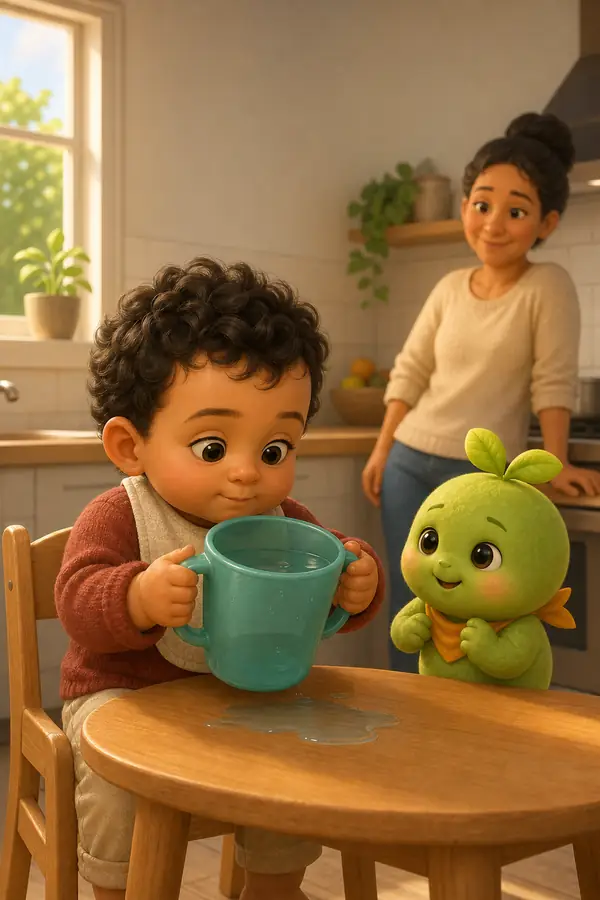
Grow and the Big Cup
Read together →
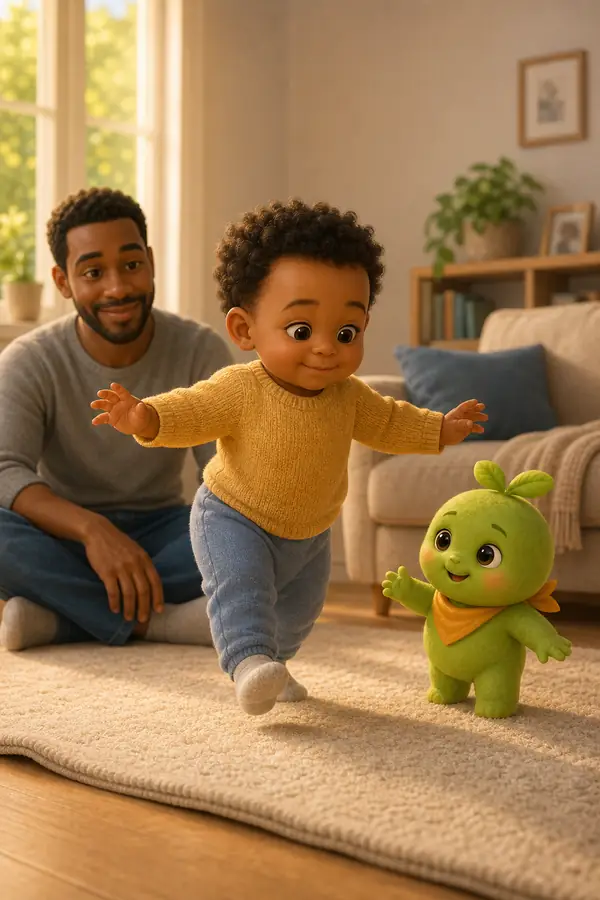
Grow and the Steps That Come Back
Read together →

Grow Stays Close
Read together →
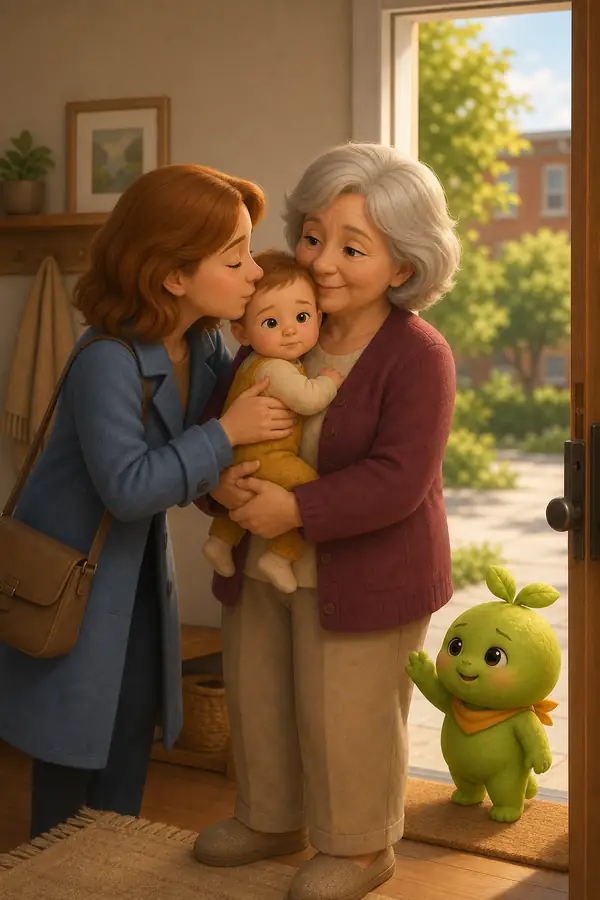
Grow Waves Goodbye
Read together →
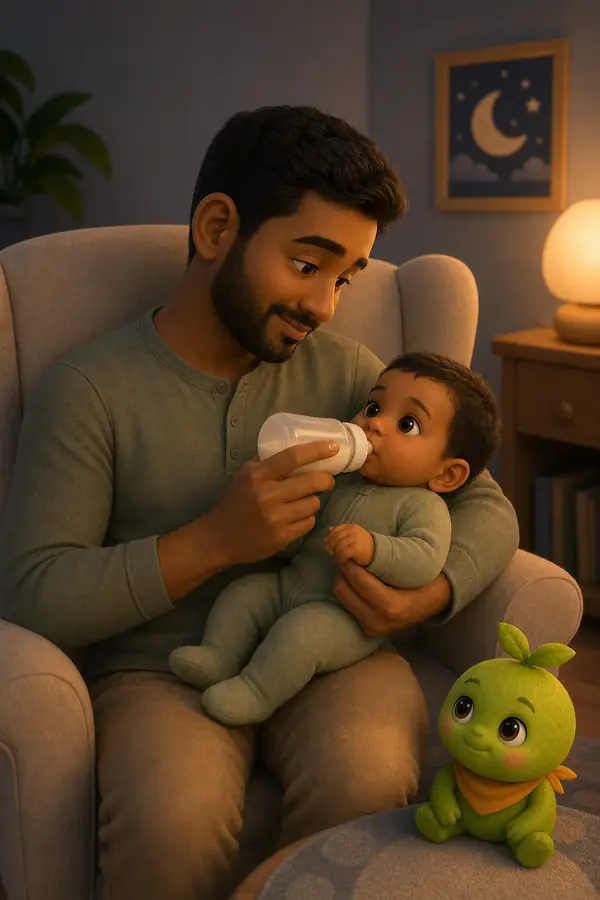
Grow and the Warm Arms
Read together →
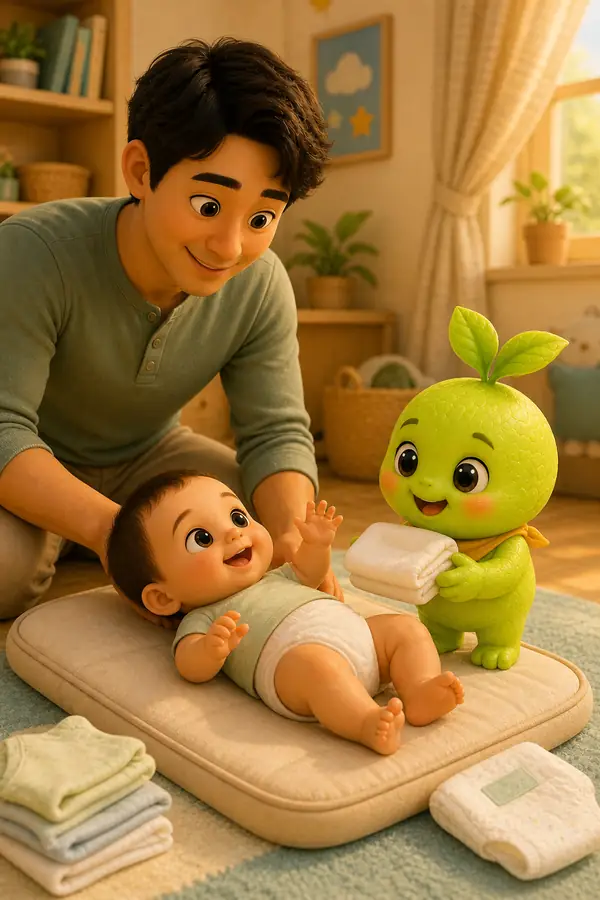
Grow and the Cold Air
Read together →
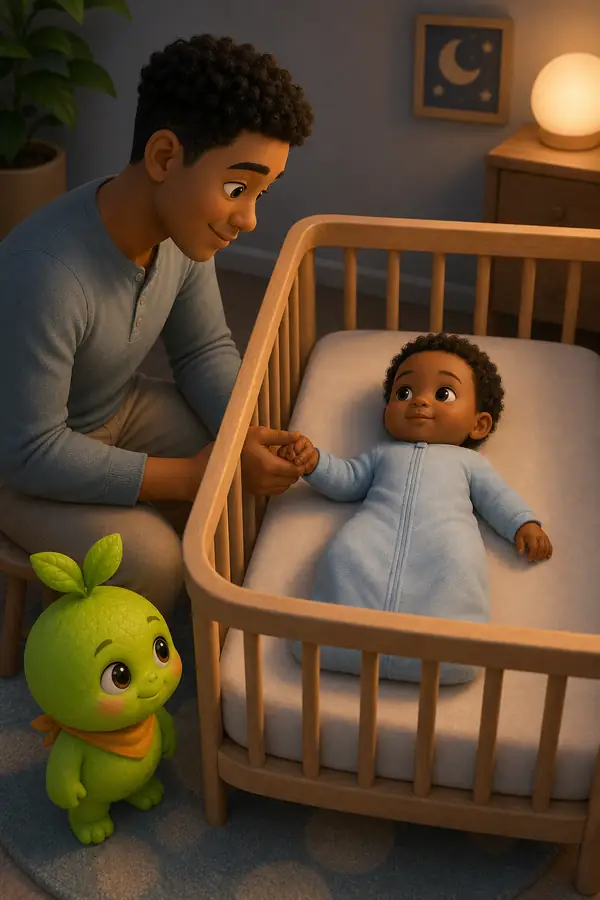
Grow and the Quiet Room
Read together →
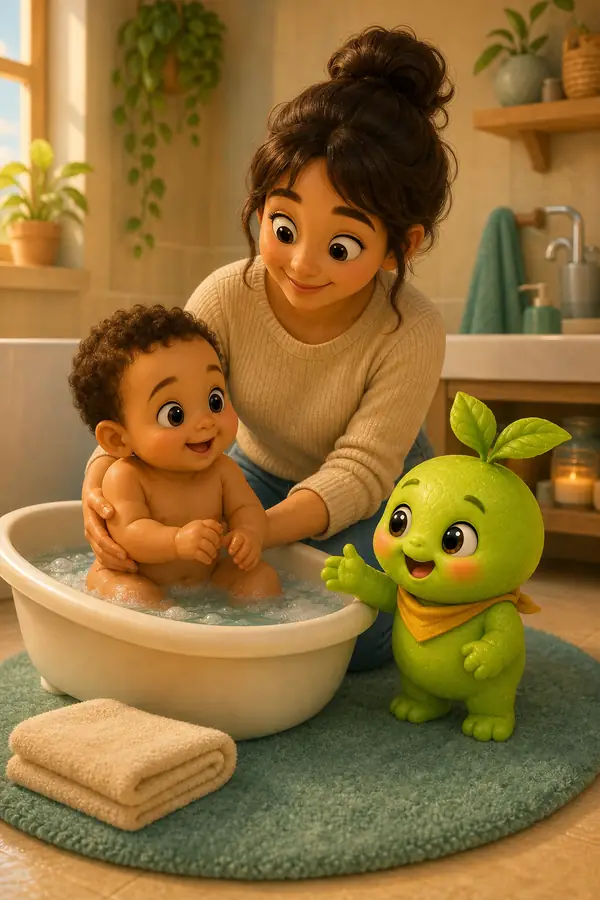
Grow and the Warm Water
Read together →
Many parents wonder…
If you landed here because of one of these, you're in the right place. These are common at this age and usually part of normal development.
🎯 Play & activities
target Focus: Language explosion
Age-matched activities from KidyGrow's developmental library.
When to talk to your pediatrician
Most variation is normal. Reasons to ask, not reasons to panic.
- Not walking by 18 months
- Walks only on toes consistently
- No words by 18 months
- Doesn't point to show you things by 18 months
- Any loss of skills the child previously had
Browse by age
- CDC Developmental Milestones
- AAP Bright Futures
- WHO Child Development Guidance
Frequently asked
- How many words should an 18-month-old say?
- Often around 10 to 20 words, with understanding well ahead of talking. By 18–24 months many start combining two words like "more milk".
- Is the 18-month sleep regression real?
- Yes. Teething, a language burst and separation anxiety often disrupt sleep around 18 months. It usually passes; keep the bedtime routine steady.
- Why does my 18-month-old say no to everything?
- Saying "no" and pushing back are normal as toddlers test autonomy. Offer limited choices and calm, consistent limits.
- When should an 18-month-old walk?
- Most walk between 12 and 15 months. Not walking by 18 months is worth a pediatrician chat.
- Is picky eating normal at 18 months?
- Yes. Appetite is erratic as growth slows. Keep offering variety without pressure; watch the week, not one meal.
Wondering if your baby is on track?
KidyGrow learns your child's patterns and turns them into a daily brief, gentle next steps, and a prep summary you can take to the pediatrician.
Get KidyGrowSources: CDC Developmental Milestones (2023 Update); AAP Bright Futures Guidelines (4th Edition, 2024); WHO Child Growth Standards. Every child develops at their own pace.