 Kidy
Kidy
What should a 9-month-old be doing?
At 9 months many babies crawl, pull to stand, sit without support, use a pincer grasp for finger foods, and babble like they're talking. Separation and stranger anxiety often peak now. Here is what is typical at 9 months across movement, feeding, sleep and sounds, plus the few signs worth a pediatrician chat.
Nine months is motion: crawling, scooting, pulling up on the furniture and maybe cruising along it. Separation anxiety often peaks now, so your baby may cling and cry when you step away. This page gathers what is typical, what helps with sleep and feeding, and the questions parents ask at this stage.
Age: 9 months.
Most children at this age: sit without support, crawl, pull to stand, use a pincer grasp, and babble with inflection.
Common concerns this month: the 8–10 month sleep regression, separation and stranger anxiety, refusing purees, pulling up in the crib. Most are a normal part of this stage.
Typical sleep: 12 to 16 hours a day with 10 to 12 hours at night and 2 naps, often disrupted by the 8–10 month regression.
This month in real life
Not milestones, just what this age often feels like day to day.
- are on the move, crawling, scooting or rolling everywhere
- pull up on furniture and may start cruising
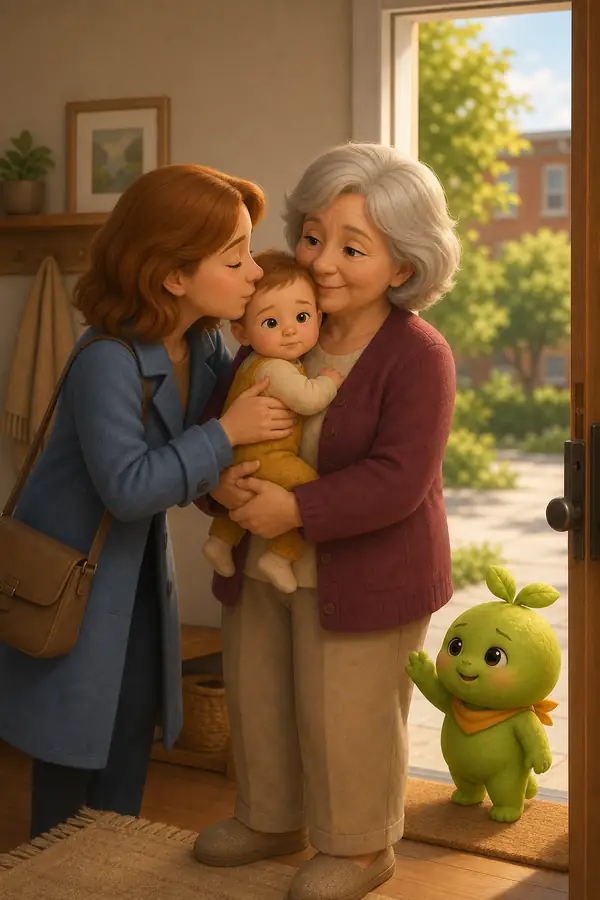
- get upset when you leave the room (peak separation anxiety)
- pick up tiny bits of food with finger and thumb
✨ What's changing now
The shifts most families notice this month.
- Crawling, scooting and pulling up to stand
- Pincer grasp: picking up tiny bits of food
- Babbling with real inflection, like little sentences
- Separation and stranger anxiety getting stronger
- The 8 to 10 month regression can fragment nights
Sleep at 9 months
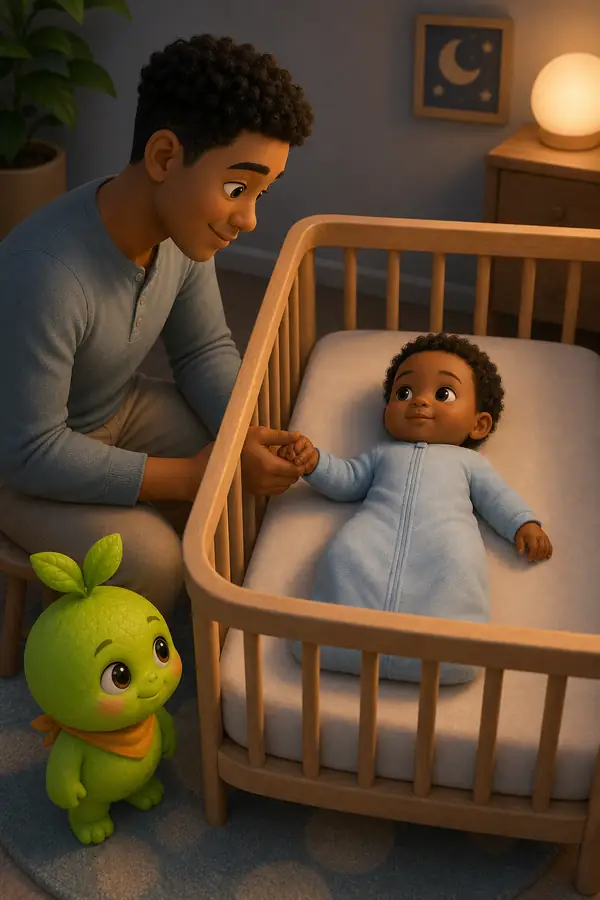
The 8–10 month regression mixes new mobility with separation anxiety. Comfort, then encourage settling.
- About 12–16 hours a day
- Longer night sleep (10–12 hours)
- Usually 2 naps a day
- The 8–10 month regression is common, linked to crawling, pulling up and separation anxiety
- May practise standing in the crib at night
Feeding at 9 months
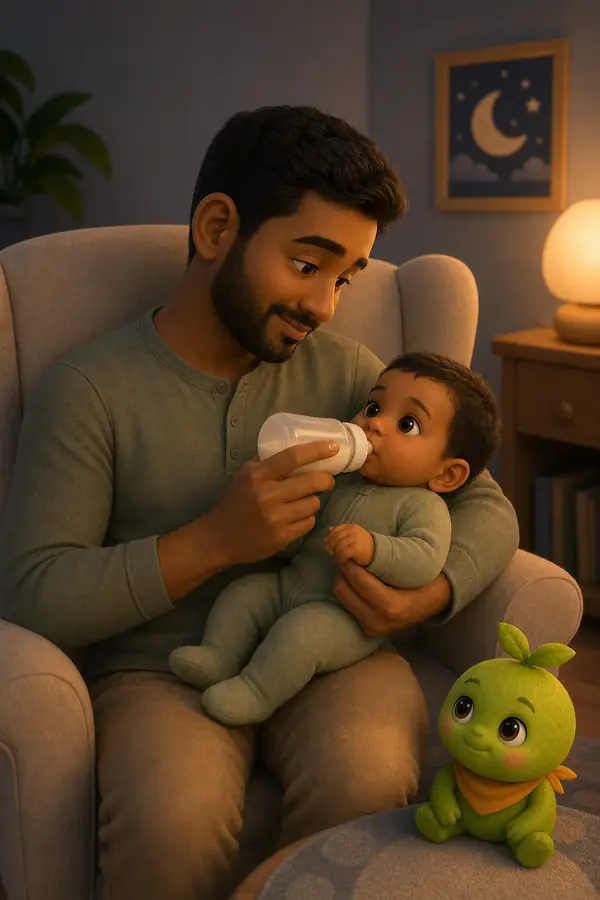
Let baby self-feed soft finger foods; messy is part of learning. If they refuse the spoon, that's a normal step toward independence. No honey before 12 months.
- Self-feeds soft finger foods (6–9 months)
- Uses the pincer grasp for small pieces (9–12 months)
- Eats a wider range of textures and family foods
- May refuse purees, preferring to feed themselves
- Drinks from a sippy or open cup with help
Development
- Sits without support
- Crawls, scoots or rolls to get around (7–10 months)
- Pulls to stand on furniture (8–10 months)
- May start cruising along furniture
- Picks up small things with finger and thumb (pincer grasp)
- Looks for hidden objects (object permanence)
- Bangs, shakes and drops objects to explore
- Copies gestures like clapping
- Babbles with inflection (sounds like conversation)
- Uses gestures: waving, reaching
- May understand "no" and simple words
- Copies sounds and tones you make
- Clings to familiar caregivers and may cry with strangers
- Has favourite people and toys
- Understands "no"
- Looks when you point and follows your gaze
radio_button_checked Right now
- Crawling or scooting
- Pulling to stand and cruising
- Pincer grasp and finger foods
schedule Coming soon
- First independent steps
- First words and pointing
- Waving bye-bye and clapping
Useful tools for this age
Free calculators that fit this stage.
Stories for this age
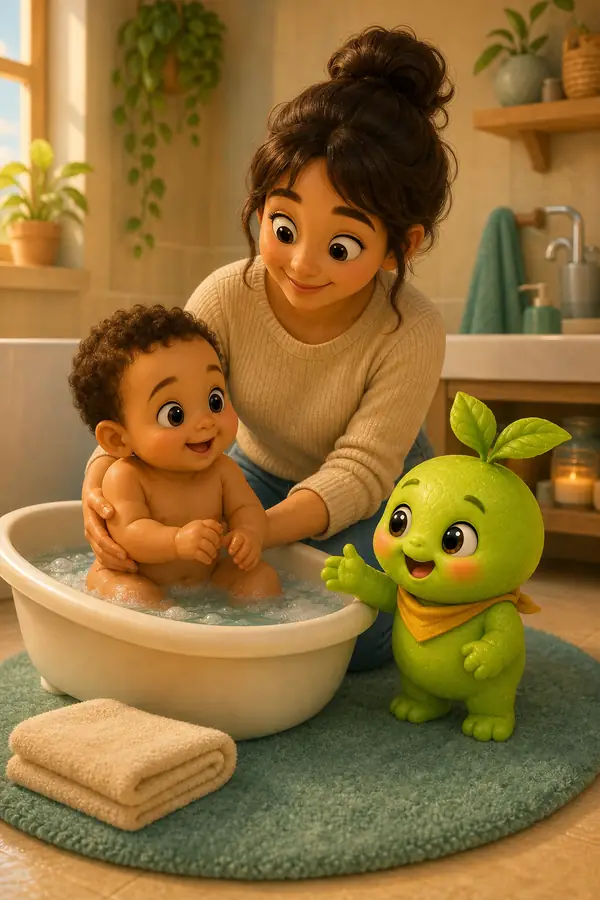
Gentle stories where your child is the hero and Grow the friend.

Many parents wonder…
If you landed here because of one of these, you're in the right place. These are common at this age and usually part of normal development.
🎯 Play & activities
target Focus: Crawling, pulling up & first words
Age-matched activities from KidyGrow's developmental library.
When to talk to your pediatrician
Most variation is normal. Reasons to ask, not reasons to panic.
- Doesn't bear weight on legs with support
- Doesn't sit without help
- Doesn't babble (mama, baba, dada)
- Doesn't play any back-and-forth games
- Doesn't respond to their own name
- Doesn't look where you point
- Any loss of skills the child previously had
Browse by age
- CDC Developmental Milestones
- AAP Bright Futures
- WHO Child Development Guidance
Frequently asked
- What should a 9-month-old be doing?
- Many sit without support, crawl, pull to stand, use a pincer grasp for finger foods, and babble with inflection. Wide ranges are normal.
- Is separation anxiety normal at 9 months?
- Yes. Separation and stranger anxiety usually peak around 8–10 months and are signs of healthy attachment.
- What is the 8–10 month sleep regression?
- A common stretch of disrupted sleep tied to new mobility (crawling, pulling up) and separation anxiety. It usually passes with a steady routine.
- Why does my 9-month-old refuse purees?
- Many babies want to self-feed by now. Offering soft finger foods alongside purees often helps.
- When do babies start crawling?
- Often between 7 and 10 months, though some scoot or roll instead, and a few skip crawling and go straight to pulling up.
Wondering if your baby is on track?
KidyGrow learns your child's patterns and turns them into a daily brief, gentle next steps, and a prep summary you can take to the pediatrician.
Get KidyGrowSources: CDC Developmental Milestones (2023 Update); AAP Bright Futures Guidelines (4th Edition, 2024); WHO Child Growth Standards. Every child develops at their own pace.