 Kidy
Kidy
What should a 6-year-old be doing?
By 6 many children read simple sentences, write short words, count past 20 and do basic addition, have real friendships with loyalty and conflict, and are growing steadily more independent. Here is what is typical at 6 across reading and writing, thinking, social skills and behaviour, and the signs worth a chat with your doctor.
Six-year-olds read simple sentences, write short words and care deeply about fairness and rules. Real friendships matter now, with strong preferences and the odd fallout. They can focus for fifteen or twenty minutes on something they love. Here is what is typical at six, what helps, and the questions parents search most.
Age: 6 years (72 months).
Most children at this age: read simple sentences, write their name and short words, count past 20 and add small numbers, have real friendships, and manage most self-care alone.
Common concerns this month: school transition nerves, screen-time limits, friendship conflicts and exclusion, homework or task resistance, staying focused. Most are a normal part of growing up.
Typical sleep: about 9 to 12 hours a night, no nap.
This month in real life
Not milestones, just what this age often feels like day to day.
- read simple sentences and write short words
- care deeply about fairness and rules
- have real best friends and strong social preferences
- can focus 15–20 minutes on tasks they enjoy
✨ What's changing now
The shifts most families notice this month.
- Reading simple books and writing words independently
- Counting past 20 and early addition and subtraction
- Deep friendships with real loyalty and conflict
- More independent: school bag, chores, self-care
- Ready or nearly ready for primary school
Sleep at 6 years
- About 9–12 hours a night, no nap
- A steady bedtime routine protects mood and focus
- Occasional nightmares are normal
- Resisting bedtime is common; calm, consistent limits help
Development
- Skips, hops, many ride a bike without training wheels
- Throws and catches a ball with more control
- Writes their name, some letters and short words
- Ties shoelaces (many, not all)
- Reads simple sentences and short books
- Writes their name and common short words
- Spells phonetically
- Tells longer, structured stories
- Understands that letters represent sounds
- Has a best friend or small group
- Understands fairness and takes rules seriously
- Handles conflict with words most of the time
- More independent: school bag, dressing, basic hygiene
- Ready or nearly ready for primary school
radio_button_checked Right now
- Reading simple sentences and writing short words
- Counting past 20 and basic addition
- Real friendships with loyalty and conflict
schedule Coming soon
- Reading chapter books with support
- Multiplication basics and longer writing
- Resolving conflicts with words alone
Useful tools for this age
Free calculators that fit this stage.
Stories for this age
Gentle stories where your child is the hero and Grow the friend.

Grow and the Stars
Read together →
Grow and the Cloud Full of Feelings
Read together →
Grow and the Dry Night Map
Read together →
Grow and the Cozy Thumb
Read together →
Grow and the Borrowed Little Truck
Read together →
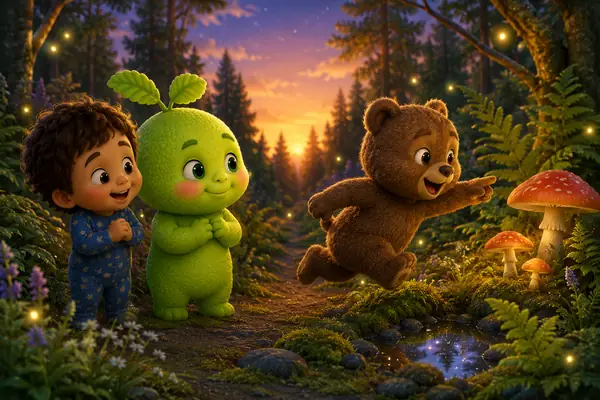
Grow and the Curious Little Bear
Read together →
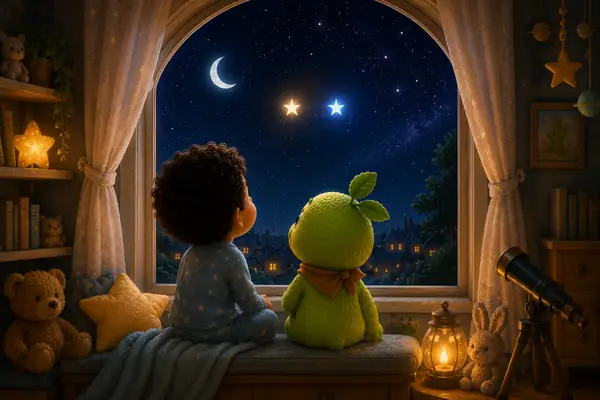
Grow and the Two Little Stars
Read together →

Grow and the First Snow
Read together →
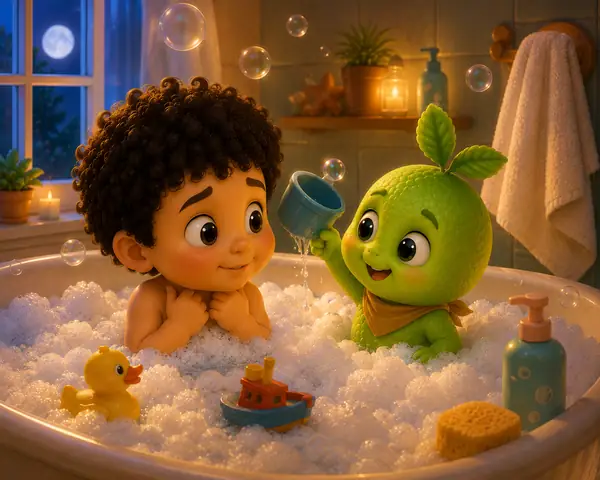
Grow and the Waterfall Hair
Read together →
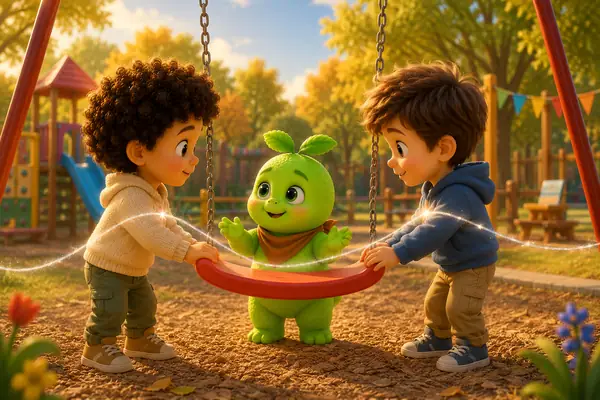
Grow and the Silver Thread
Read together →
Many parents wonder…
If you landed here because of one of these, you're in the right place. These are common at this age and usually part of normal development.
🎯 Play & activities
target Focus: Reading, writing & real friendships
Age-matched activities from KidyGrow's developmental library.
When to talk to your pediatrician
Most variation is normal. Reasons to ask, not reasons to panic.
- Can't read simple words by end of year with instruction
- Can't follow a 3-step direction
- No real friendships or avoids other children
- Extreme anxiety or fears that disrupt daily life
- Any loss of skills the child previously had
Browse by age
- CDC Developmental Milestones
- AAP Bright Futures
- WHO Child Development Guidance
Frequently asked
- What should a 6-year-old be doing?
- Many read simple sentences, write short words, count past 20 and add small numbers, have real friendships, and manage most self-care. Wide ranges are normal.
- Is my 6-year-old ready for school?
- Readiness is about focus, following rules, independence and social skills. Reading fluency comes later. Most 6-year-olds adapt well with support.
- How much sleep does a 6-year-old need?
- About 9–12 hours a night. A consistent bedtime routine makes a big difference to mood and focus the next day.
- When should I worry at 6?
- Speech or reading that falls far behind peers with instruction, no interest in other children, or any loss of skills are worth a chat with your doctor.
Wondering if your baby is on track?
KidyGrow learns your child's patterns and turns them into a daily brief, gentle next steps, and a prep summary you can take to the pediatrician.
Get KidyGrowSources: CDC Developmental Milestones (2023 Update); AAP Bright Futures Guidelines (4th Edition, 2024); WHO Child Growth Standards. Every child develops at their own pace.