 Kidy
Kidy
What should a 2-month-old be doing?
Around 2 months, many babies flash a first real smile, coo, hold their head up a little during tummy time, and follow you with their eyes. Feeding and sleep still run the day. Here is what is typical at 2 months across feeding, sleep, early sounds and bonding, plus the few signs worth a pediatrician chat.
Around two months your baby starts to feel like a little person: first real smiles, coos back at you, and eyes that follow you across the room. Nights are still broken and evenings can be fussy. Here is what is typical at this age, what helps day to day, and the questions most parents are asking now.
Age: 2 months.
Most children at this age: smile socially, coo and make eye contact, hold their head a little steadier, and feed every 2–4 hours.
Common concerns this month: day–night confusion, evening fussiness, feeding often enough, wanting to be held. Most are a normal part of these early months.
Typical sleep: 14 to 17 hours a day, still in short stretches with night feeds every 2 to 4 hours.
This month in real life
Not milestones, just what this age often feels like day to day.
- are starting to smile and "talk" back with coos
- still wake every 2–4 hours to feed
- may have a fussy evening stretch that peaks around now
- are more alert and awake between feeds
✨ What's changing now
The shifts most families notice this month.
- Social smiles and cooing back at you
- Head a little steadier during tummy time
- Following you across the room with their eyes
- Still feeding every 2 to 4 hours, day and night
- The witching-hour fussiness often peaks around now
Sleep at 2 months
Keep night feeds quiet and dim; stimulation belongs in the daytime.
- Sleeps 14–17 hours a day in short, irregular stretches
- Wakes every 2–4 hours to feed
- Day–night confusion is still common until 6–8 weeks
- A simple bedtime routine can start around now
- Safe sleep: on the back, firm flat mattress, nothing else in the crib
Feeding at 2 months
No solids yet. Breastmilk or formula is all a 2-month-old needs.
- Feeds 8–12 times a day if breastfed, 6–8 if formula-fed
- Still feeds on demand, day and night
- Has a coordinated suck-swallow pattern
- 6+ wet diapers a day is a good sign
- Gaining weight steadily after the first 2 weeks
Development
- Holds head up briefly during tummy time
- Moves arms and legs smoothly
- Holds head steadier when upright
- Brings hands to mouth
- Opens and closes hands
- Briefly watches a moving toy
- Makes cooing sounds ("ah", "oh")
- Turns the head toward sounds and voices
- Has different cries for different needs
- Starts to respond to your voice
- First social smile appears around 6–8 weeks
- Calms when you talk to or pick them up
- Looks at your face and makes eye contact
- Seems happy to see you
radio_button_checked Right now
- Social smiling and cooing
- Holding the head up during tummy time
- Following you with the eyes
schedule Coming soon
- Laughing and squealing
- Rolling tummy to back (around 4 months)
- Reaching for and grasping toys
Useful tools for this age
Free calculators that fit this stage.
Stories for this age
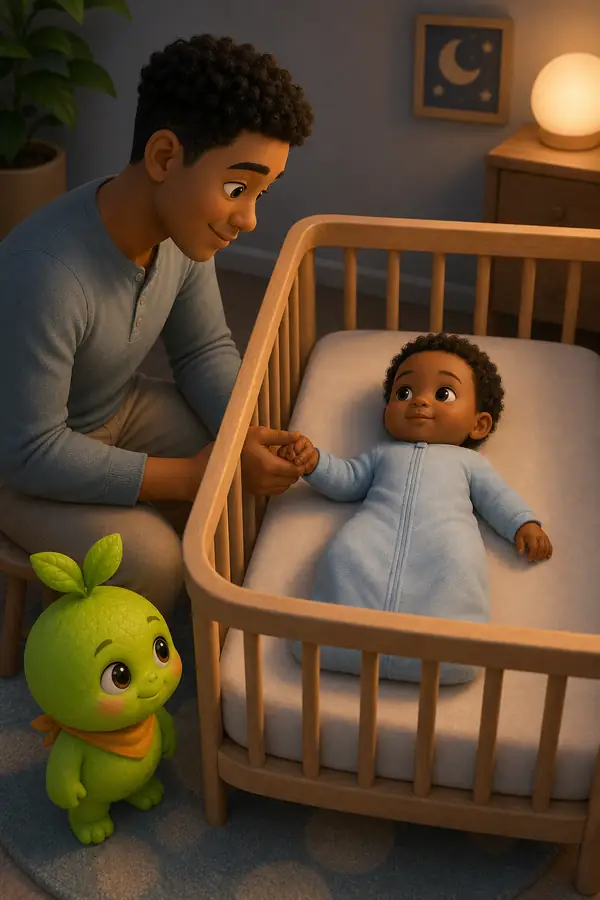
Gentle stories where your child is the hero and Grow the friend.





Many parents wonder…
If you landed here because of one of these, you're in the right place. These are common at this age and usually part of normal development.
🎯 Play & activities
target Focus: Cooing, smiling & head control
Age-matched activities from KidyGrow's developmental library.
When to talk to your pediatrician
Most variation is normal. Reasons to ask, not reasons to panic.
- Doesn't respond to loud sounds
- Doesn't watch things as they move
- Doesn't smile at people by 2–3 months
- Can't hold the head up at all during tummy time
- Difficulty latching, or fewer than 6 wet diapers a day
- Very stiff or very floppy muscles
Browse by age
- CDC Developmental Milestones
- AAP Bright Futures
- WHO Child Development Guidance
Frequently asked
- What should a 2-month-old be doing?
- Many 2-month-olds smile socially, coo, follow you with their eyes, hold their head a little steadier, and feed every 2–4 hours. Wide ranges are normal.
- When do babies start smiling?
- A real social smile usually appears around 6–8 weeks. Before that, smiles can be reflexive.
- How much should a 2-month-old sleep?
- About 14–17 hours a day, still in short stretches with night feeds every 2–4 hours.
- How often should a 2-month-old feed?
- On demand, about 8–12 times a day if breastfed, 6–8 if formula-fed.
- Is the witching hour normal at 2 months?
- Yes. Evening fussiness often peaks around 6 weeks and eases by 3–4 months.
Wondering if your baby is on track?
KidyGrow learns your child's patterns and turns them into a daily brief, gentle next steps, and a prep summary you can take to the pediatrician.
Get KidyGrowSources: CDC Developmental Milestones (2023 Update); AAP Bright Futures Guidelines (4th Edition, 2024); WHO Child Growth Standards. Every child develops at their own pace.