 Kidy
Kidy
What should a 15-month-old be doing?
At 15 months most toddlers walk on their own, say a few words while understanding far more, point to ask and show you things, and copy what you do. The clingy separation-anxiety phase often peaks now. Here is what is typical at 15 months across movement, speech, sleep and feeding, plus the few signs worth a pediatrician chat.
Fifteen months is busy feet and a handful of words. Your child walks, climbs and gets into everything, points at what they want, and understands far more than they can say. Separation anxiety can spike again. This page covers what is typical now, what helps, and the questions parents search most.
Age: 15 months.
Most children at this age: walk on their own, say a few words and point to ask, follow a simple direction with a gesture, and copy what you do.
Common concerns this month: few words yet, the clingy separation-anxiety phase, dropping to one nap, picky eating starting. Most are a normal part of development.
Typical sleep: 11 to 14 hours a day, often moving from 2 naps to 1 around now.
This month in real life
Not milestones, just what this age often feels like day to day.
- are walking, and into everything
- point at things they want and "tell" you about them
- have a few words but understand far more
- still get clingy when you leave (separation anxiety peaks now)
✨ What's changing now
The shifts most families notice this month.
- Walking steadily and starting to climb
- A handful of clear words plus lots of pointing
- Following a simple direction paired with a gesture
- Copying you, early pretend play begins
- Often moving from two naps down to one
Sleep at 15 months
Many toddlers move from two naps to one around now; expect a few bumps.
- About 11–14 hours a day, with 10–12 at night
- Often moving from 2 naps to 1 (12–18 months)
- Expect some bumps with teething and the separation phase
- A steady, predictable bedtime routine helps most
Feeding at 15 months
- Self-feeds with fingers and a spoon (messy is normal)
- Appetite is erratic day to day; that's expected
- Drinks from an open or straw cup; weaning off the bottle
- Eats most family foods, cut to safe sizes
- Your job is the offer, theirs is how much
Development
- Walks on their own (most by 12–15 months)
- Bends down and stands back up
- Starts to climb on furniture
- Scribbles with a crayon
- Stacks two objects
- Says a few words besides "mama" and "dada"
- Points to ask for something or to show you
- Follows a simple direction given with a gesture
- Looks at a familiar object when you name it
- Copies sounds and tries new ones
- Shows affection with hugs and kisses
- Separation anxiety is common and often peaks now (12–18 mo)
- Plays alongside other children (parallel play)
- Copies adult behaviours, like sweeping or talking on the phone
- Hands you a toy to share, or to ask for help
radio_button_checked Right now
- Walking steadily, starting to climb
- A few clear words plus lots of pointing
- Copying you and simple pretend
schedule Coming soon
- Running and walking up stairs
- 10–20 words and naming body parts
- First two-word phrases
Useful tools for this age
Free calculators that fit this stage.
Stories for this age
Gentle stories where your child is the hero and Grow the friend.
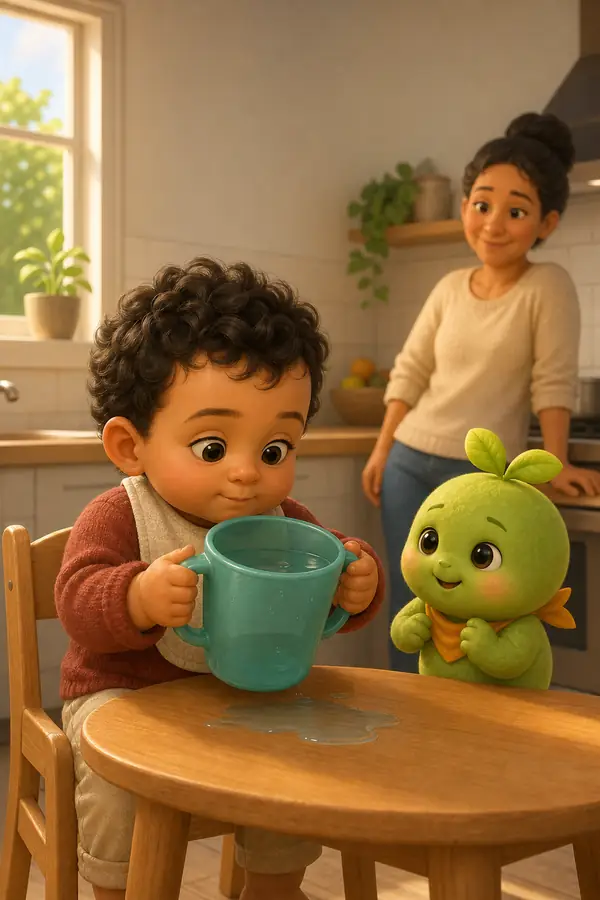
Grow and the Big Cup
Read together →
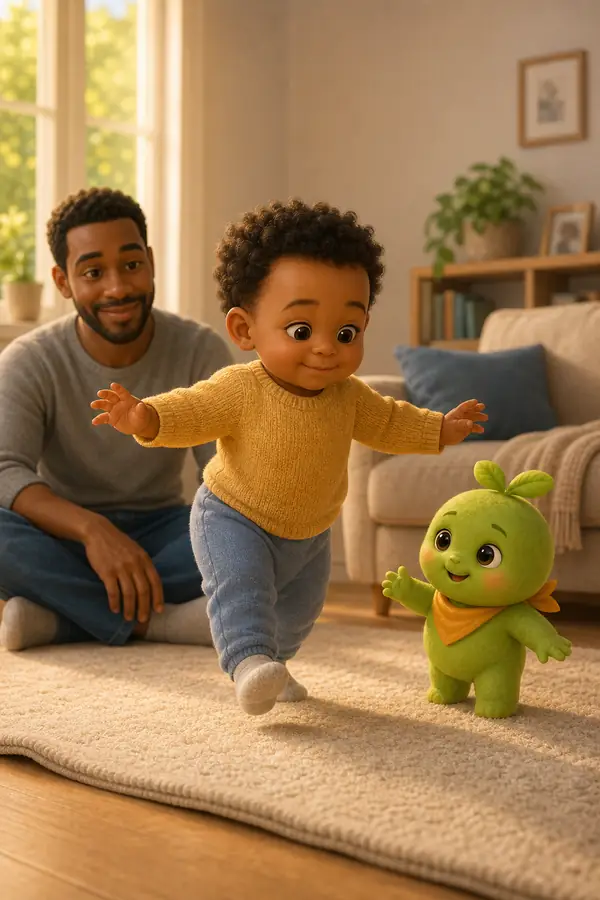
Grow and the Steps That Come Back
Read together →

Grow Stays Close
Read together →
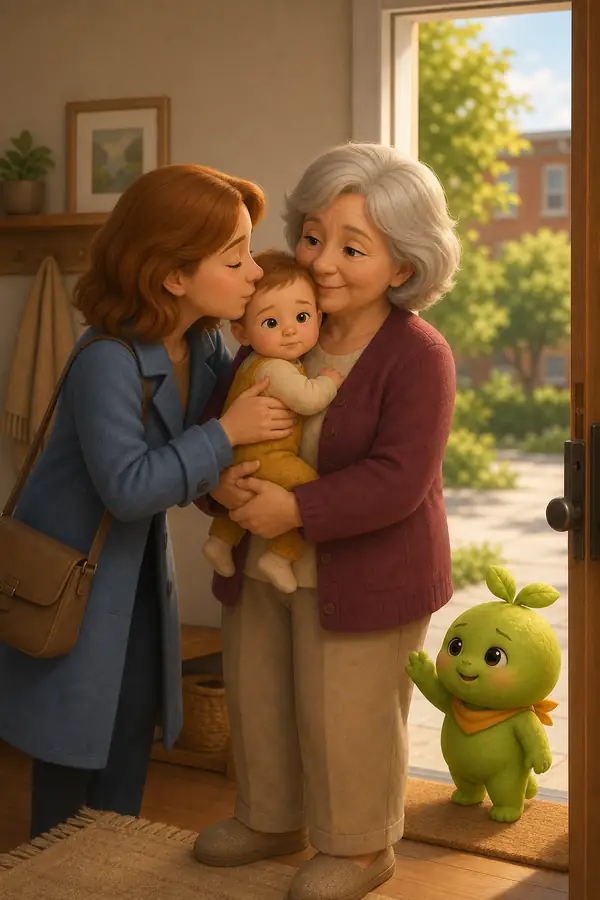
Grow Waves Goodbye
Read together →
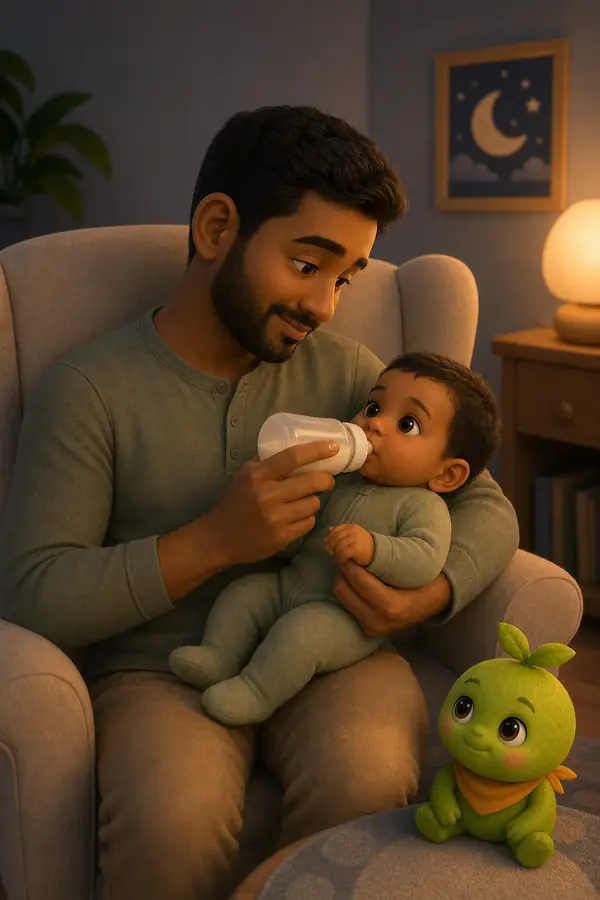
Grow and the Warm Arms
Read together →
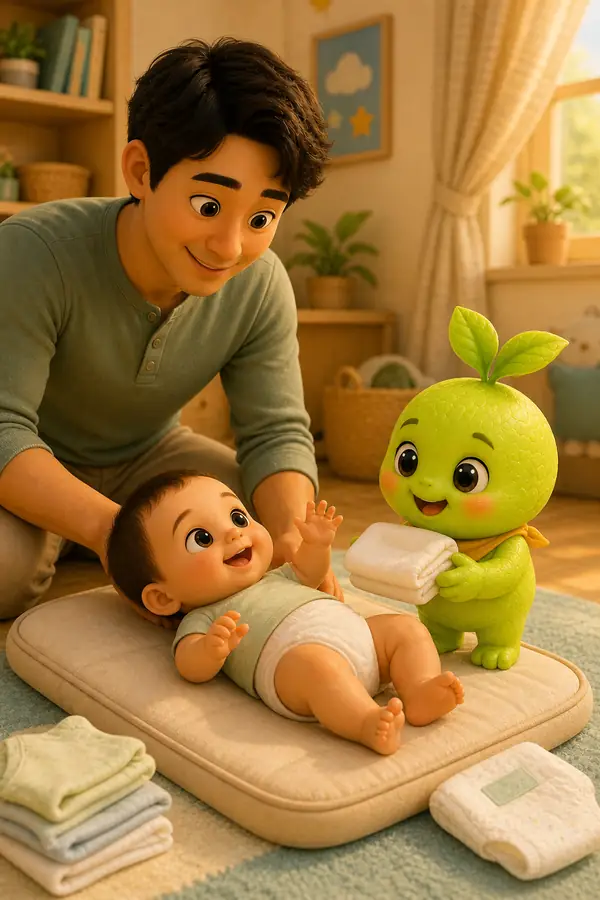
Grow and the Cold Air
Read together →
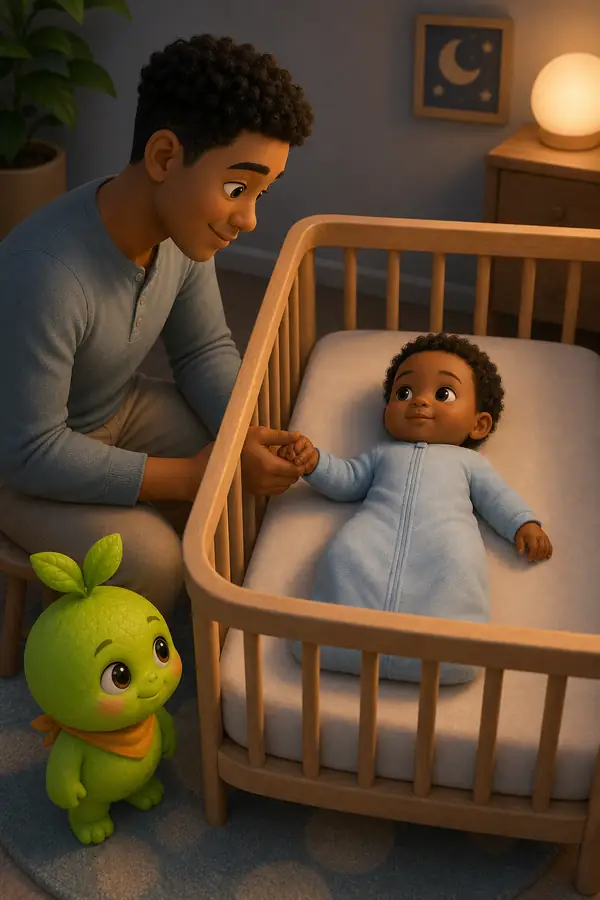
Grow and the Quiet Room
Read together →
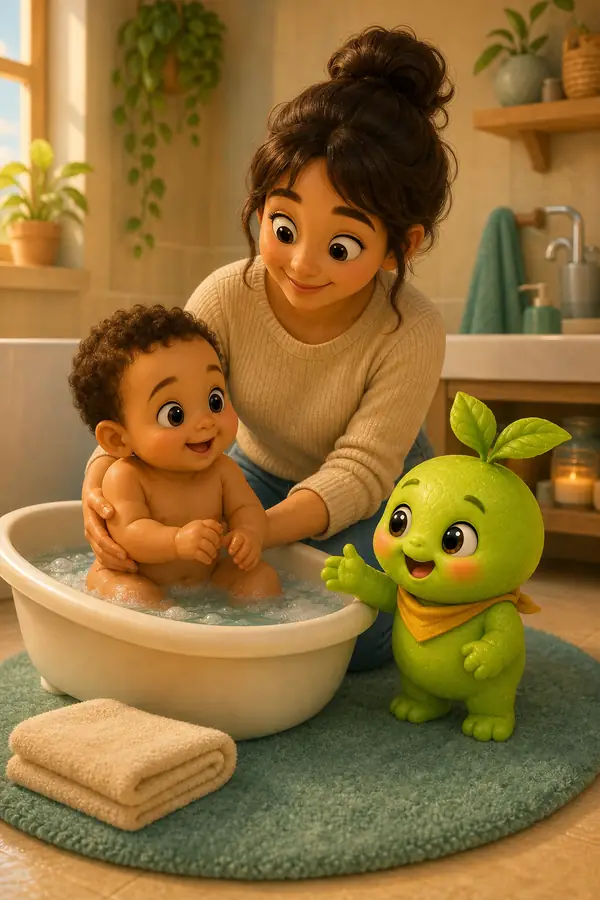
Grow and the Warm Water
Read together →
Many parents wonder…
If you landed here because of one of these, you're in the right place. These are common at this age and usually part of normal development.
🎯 Play & activities
target Focus: Walking & first words
Age-matched activities from KidyGrow's developmental library.
When to talk to your pediatrician
Most variation is normal. Reasons to ask, not reasons to panic.
- Not walking on their own by 15–18 months
- No words at all, or doesn't point to show you things
- Doesn't copy you or look when you name a familiar object
- Walks only on tiptoes consistently
- Any loss of skills the child previously had
Browse by age
- CDC Developmental Milestones
- AAP Bright Futures
- WHO Child Development Guidance
Frequently asked
- What should a 15-month-old be doing?
- Most walk on their own, say a few words while understanding far more, point to ask and show things, follow a simple direction with a gesture, and copy what you do. Wide ranges are normal.
- How many words should a 15-month-old say?
- Often just a few clear words beyond "mama" and "dada", with pointing and understanding well ahead. Word counts grow fast toward 18–24 months.
- Is separation anxiety normal at 15 months?
- Yes. It often peaks between 12 and 18 months as memory develops, and it's a sign of secure attachment.
- When do toddlers drop to one nap?
- Often between 12 and 18 months. Signs include fighting the second nap or a late nap pushing bedtime too late.
- Should I worry if my 15-month-old isn't walking?
- Most walk by 12–15 months. Not walking by 18 months is worth a pediatrician chat; cruising and pulling up are good signs along the way.
Wondering if your baby is on track?
KidyGrow learns your child's patterns and turns them into a daily brief, gentle next steps, and a prep summary you can take to the pediatrician.
Get KidyGrowSources: CDC Developmental Milestones (2023 Update); AAP Bright Futures Guidelines (4th Edition, 2024); WHO Child Growth Standards. Every child develops at their own pace.