 Kidy
Kidy
What should a 2-year-old be doing?
By 2 years (24 months) many toddlers say 50 or more words and start joining them into little phrases, run and kick a ball, follow two-step directions, and play alongside other children. Ranges are wide. Here is what is typical at 2 across speech, sleep, feeding and behavior, plus the signs worth a pediatrician chat.
Two-year-olds have strong opinions and the words to share them, at least some of the time. They play near other children more than with them, melt down when tired, and surprise you with new words almost daily. This page covers what is typical at two, what helps, and the questions parents search most.
Age: 24 months (2 years old).
Most children at this age: say 50+ words and start two-word phrases, run and kick a ball, follow two-step directions, and play near other children.
Common concerns this month: few words at 2, fighting or dropping the nap, night waking again, huge tantrums, picky eating. Most are a normal part of development.
Typical sleep: 11 to 14 hours a day, usually 10 to 12 hours at night plus 1 nap.
This month in real life
Not milestones, just what this age often feels like day to day.
- have strong opinions about everything
- play next to other kids, not quite with them
- melt down when tired or overwhelmed
- surprise you with new words almost daily
✨ What's changing now
The shifts most families notice this month.
- Fifty-plus words and the first two-word phrases
- Running, climbing and kicking a ball
- Following two-step directions
- Pretend play really taking off
- Playing near other children, not always with them
Sleep at 2 years
- About 11–14 hours a day
- Usually one afternoon nap
- Night wakings and bedtime stalling are common around 2
- Fears and big feelings can disrupt sleep for a while
Feeding at 2 years
- Uses a spoon and fork, drinks from an open cup
- Strong food preferences and "no" are normal
- Appetite still swings with growth
- Eats family foods, keep offering variety
Development
- Runs and kicks a ball
- Walks up and down stairs holding on
- Throws objects overhand
- Scribbles, starts to build a small tower of blocks
- Says 50 or more words
- Starts joining two words ("more milk", "mama go")
- Follows two-step directions
- Points to things in a book when named
- Plays alongside other children (parallel play)
- Shows affection without prompting
- Pretend play appears (feeding a doll, "cooking")
- Strong opinions, defiance and big emotions
- Copies older children and adults
radio_button_checked Right now
- Short two-word phrases
- Running and climbing
- Pretend play emerging
schedule Coming soon
- 3–4 word sentences
- Pedaling a tricycle
- Taking turns and sharing (with help)
- Interest in toilet learning
Useful tools for this age
Free calculators that fit this stage.
Stories for this age
Gentle stories where your child is the hero and Grow the friend.
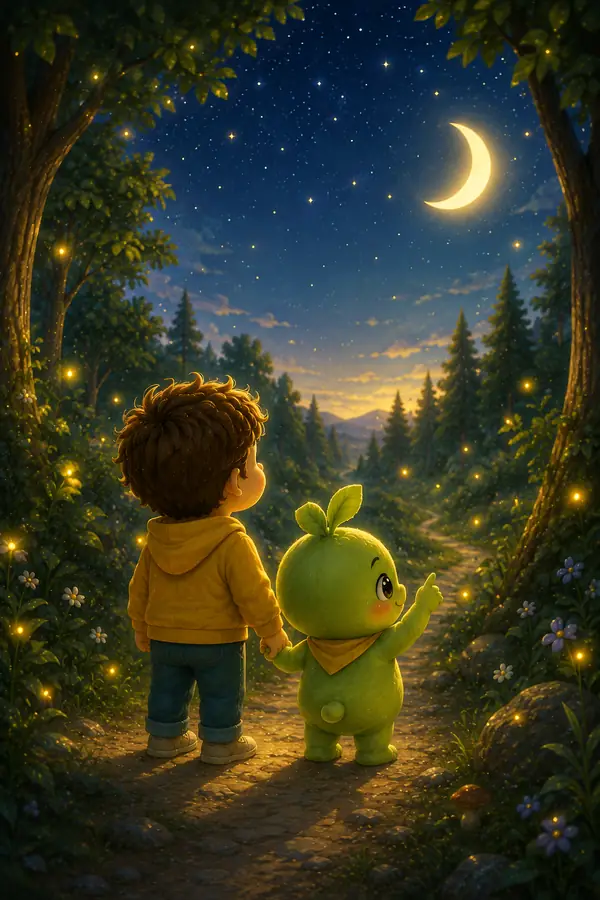
Grow and the Stars
Read together →
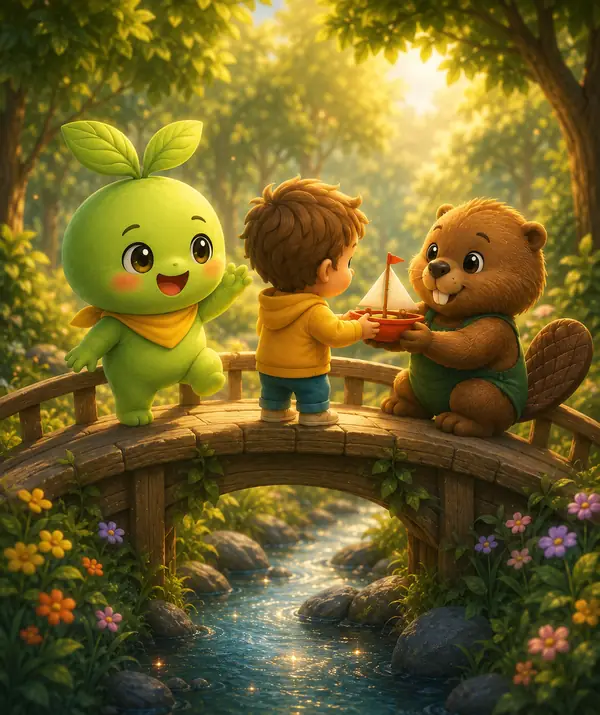
Grow and the Magic Bridge
Read together →
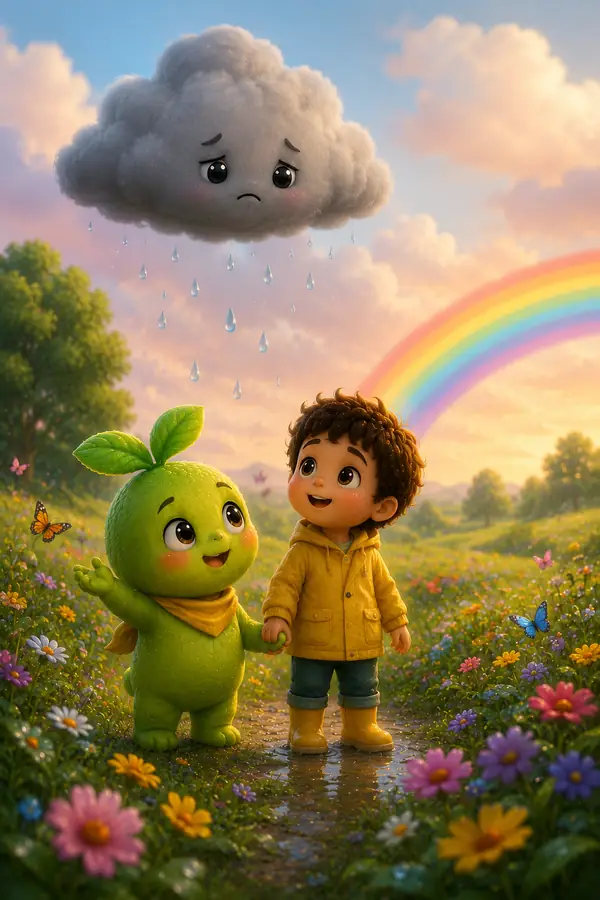
Grow and the Cloud Full of Feelings
Read together →
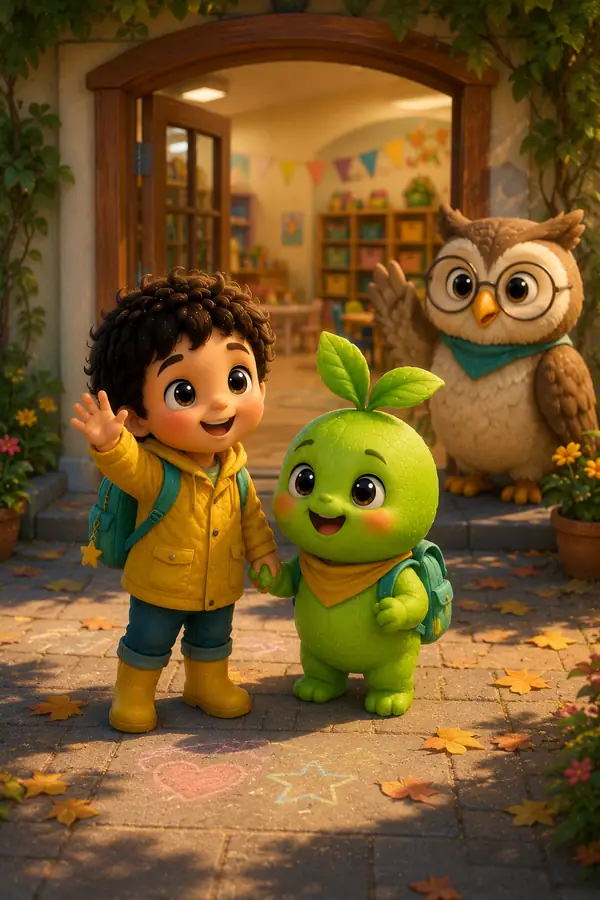
Grow and the First Day
Read together →
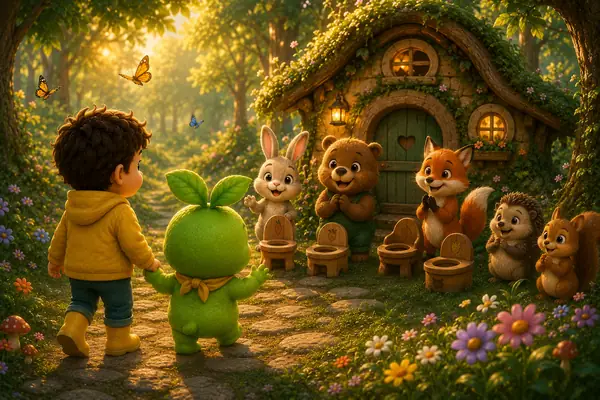
Grow and the Little Throne
Read together →
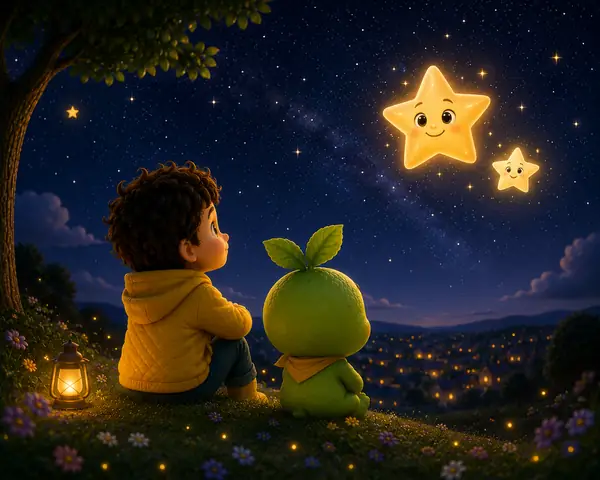
Grow and the New Star
Read together →
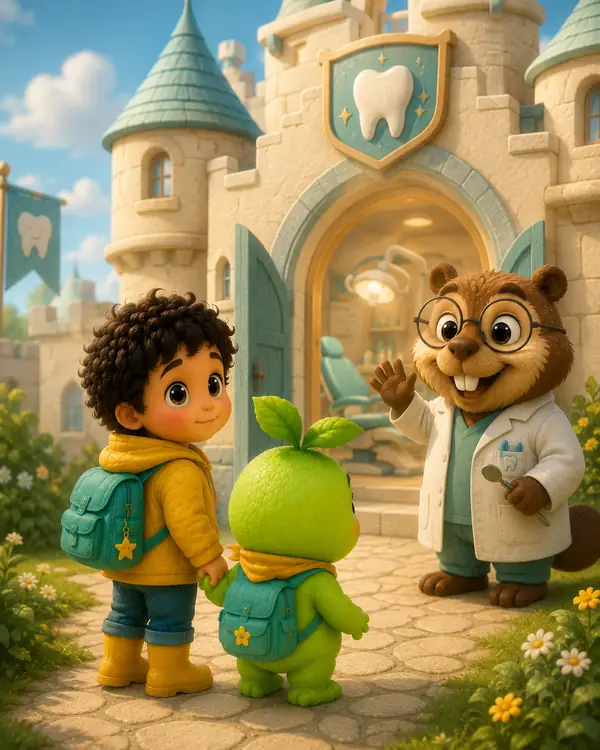
Grow and the Tooth Castle
Read together →
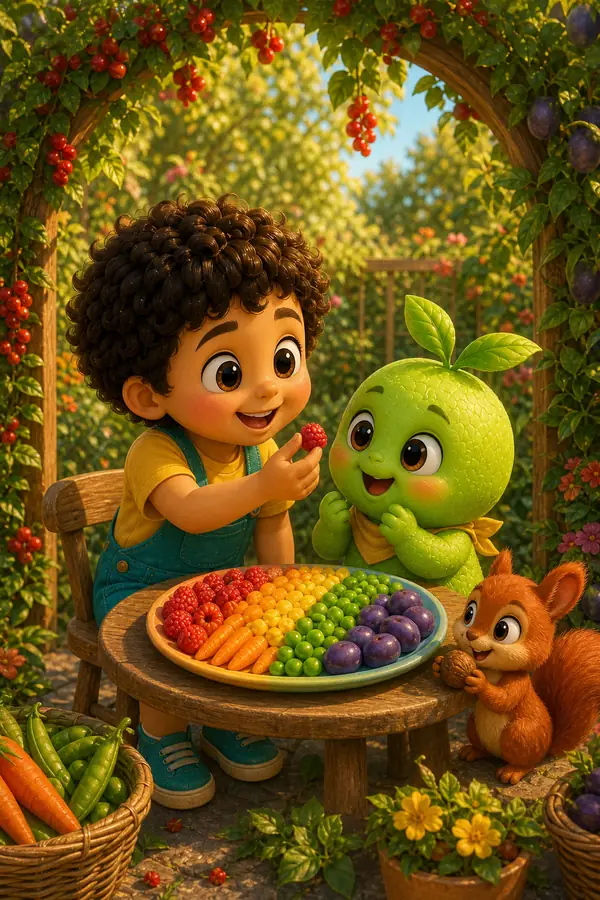
Grow and the Rainbow Plate
Read together →
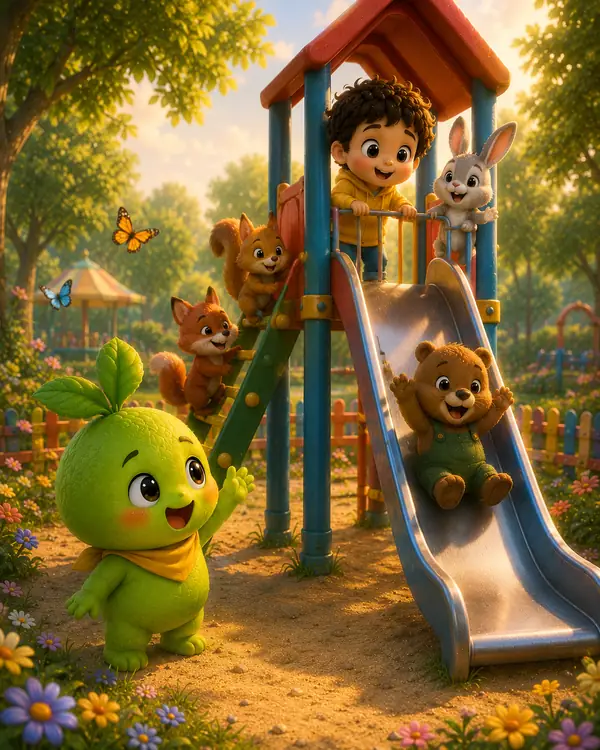
Grow and the Tall Slide
Read together →
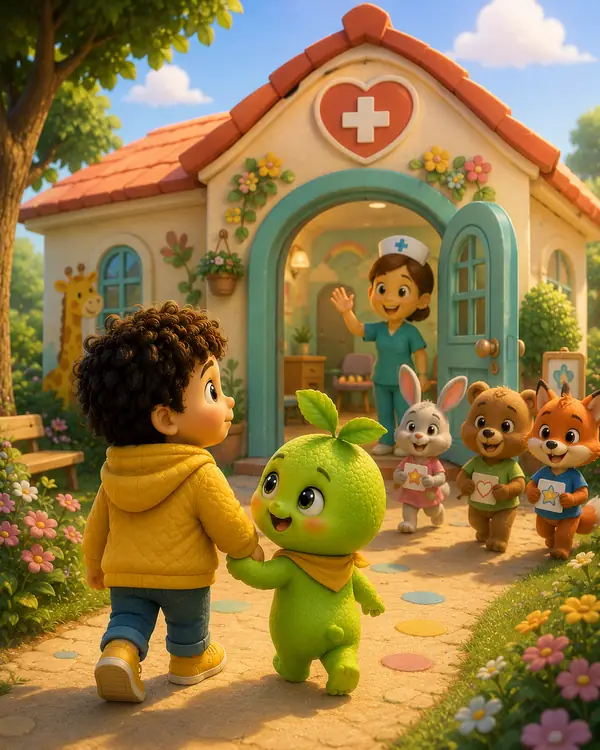
Grow and the Brave Checkup
Read together →
Many parents wonder…
If you landed here because of one of these, you're in the right place. These are common at this age and usually part of normal development.
🎯 Play & activities
target Focus: Two-word phrases & pretend play
Age-matched activities from KidyGrow's developmental library.
When to talk to your pediatrician
Most variation is normal. Reasons to ask, not reasons to panic.
- Fewer than about 50 words or no two-word phrases by 24 months
- Doesn't follow simple instructions
- No pretend play by 2 years
- Doesn't copy actions or words
- Any loss of skills the child previously had
Browse by age
- CDC Developmental Milestones
- AAP Bright Futures
- WHO Child Development Guidance
Frequently asked
- What should a 2-year-old be doing?
- Many 2-year-olds say 50+ words and short phrases, run and kick a ball, follow two-step directions, and play near other children. Wide ranges are normal.
- How many words should a 2-year-old say?
- Often 50 or more, starting to join two words. Family usually understands about half of their speech at 2.
- How much sleep does a 2-year-old need?
- About 11 to 14 hours a day, usually 10 to 12 at night plus one nap.
- Why is my 2-year-old waking at night again?
- Big feelings, fears and the nap shift often bring a wave of night wakings around 2. It usually settles with a steady routine.
- Are big tantrums normal at 2?
- Yes. Two-year-old feelings are huge and impulse control is still forming. Calm, consistent responses help most.
Wondering if your baby is on track?
KidyGrow learns your child's patterns and turns them into a daily brief, gentle next steps, and a prep summary you can take to the pediatrician.
Get KidyGrowSources: CDC Developmental Milestones (2023 Update); AAP Bright Futures Guidelines (4th Edition, 2024); WHO Child Growth Standards. Every child develops at their own pace.