 Kidy
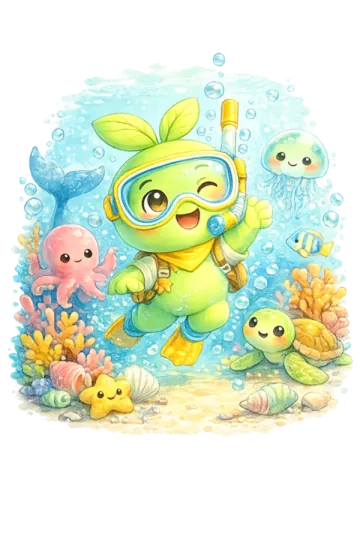
Can you swim like a fish?
Yes, wiggle your body side to side like a fish tail and pretend to swim across the floor.
7 more questions: Sea creatures big and smallarrow_forwardOcean brings together 12 topics and 64 questions, from “Can you swim like a fish?” to “What sound does a whale make?”. Choose what your child is curious about today.
One question from each topic, with an answer you can say out loud to your child.
Yes, wiggle your body side to side like a fish tail and pretend to swim across the floor.
7 more questions: Sea creatures big and smallarrow_forwardOcean currents are like giant, slow-moving rivers of water flowing through the ocean, carrying huge amounts of water across enormous distances in fairly consistent, predictable paths. Currents are driven mainly by wind blowing steadily across the surface, differences in water temperature and saltiness, and even the way Earth spins, all pushing water in certain directions over and over. Some currents flow warm water away from the equator toward colder regions, while others carry cold water back the other way, together forming a slow, connected loop that circulates water all around the entire globe.
3 more questions: Ocean currents and climatearrow_forwardWhen carbon dioxide from the air dissolves into seawater, it triggers a chemical reaction that gradually makes ocean water slightly more acidic than it used to be, a slow but measurable shift scientists call ocean acidification. This changing chemistry makes it harder for many ocean creatures, like corals, oysters, and certain plankton, to build and maintain their hard shells or skeletons, since the chemical building blocks they need become less available in more acidic water. Because so many ocean food chains depend on shell-building creatures near the bottom, from tiny plankton to coral reefs, ocean acidification can ripple outward and affect an enormous number of other species further up the chain.
3 more questions: Ocean chemistry and physicsarrow_forwardYes, move your arm up and down in a smooth curve, just like a wave rolling across the sea.
7 more questions: Under the wavesarrow_forwardHydrothermal vents are cracks in the ocean floor, usually found near volcanic activity deep underwater, where extremely hot, mineral-rich water shoots up from far below Earth's crust into the freezing cold deep ocean. Despite the crushing pressure, total darkness, and extreme heat right at the vent, entire unique ecosystems thrive there, built around special bacteria that get their energy from chemicals in the vent water instead of sunlight, a process called chemosynthesis. Larger creatures, like giant tube worms, clams, and unusual crabs, then feed on these chemical-powered bacteria or absorb them directly, forming a food chain that works completely differently from almost every other ecosystem on Earth.
3 more questions: Extreme ocean environmentsarrow_forwardPlankton are tiny organisms, some plant-like and some animal-like, that drift through ocean water rather than swimming strongly against currents, and despite being mostly invisible to the naked eye, they form the base of almost the entire ocean food chain. Plant-like plankton, called phytoplankton, use sunlight to produce their own food, similar to plants on land, and in doing so they also release an enormous amount of the oxygen that ends up in the air we breathe. Countless small ocean creatures eat plankton directly, and those creatures get eaten by slightly bigger ones, and so on up the food chain, meaning even giant whales and sharks ultimately depend on these nearly invisible organisms.
3 more questions: Ocean ecosystems and food chainsarrow_forward12 focused sets make it easy to follow the questions your child is asking today. Each topic opens its own complete collection.
Around four and five, children ask "why" about everything, and that is exactly how they learn. Every question is a small door into how the world works. A short, honest answer keeps that door open, while "because I said so" quietly closes it.
You do not need to be an expert. Answering "let us find out together" is often better than knowing, because your child learns that not knowing is the start of discovery. Each card gives you a simple answer to start from, then a question to keep the chat going.
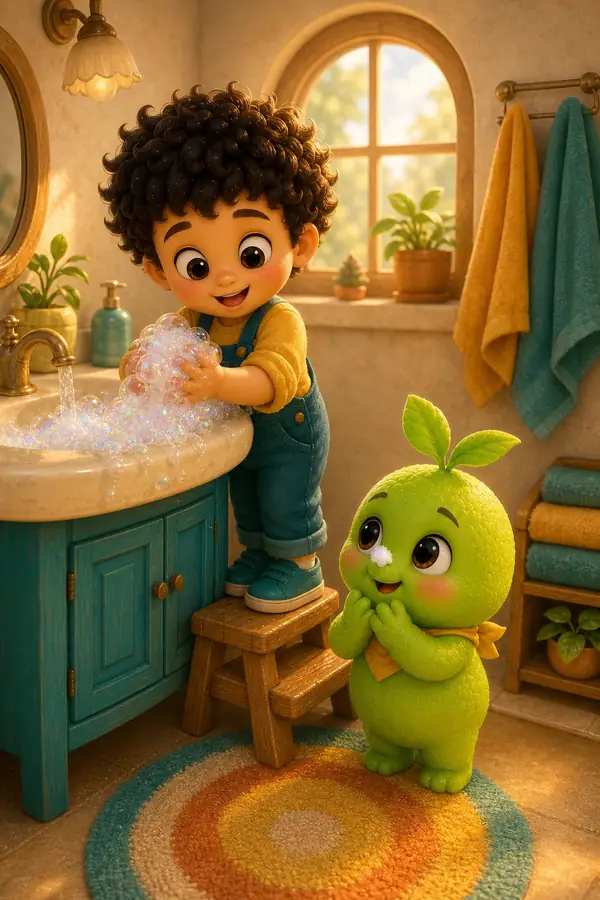
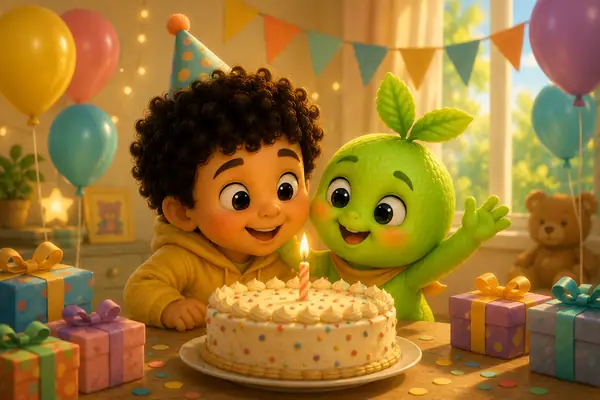
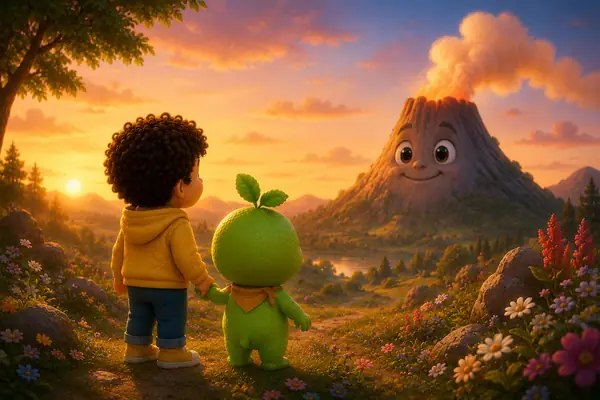
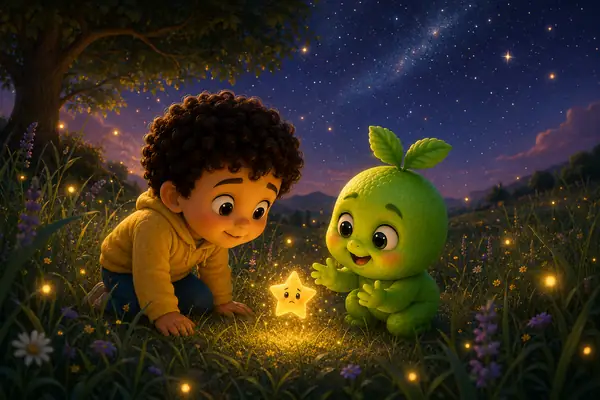
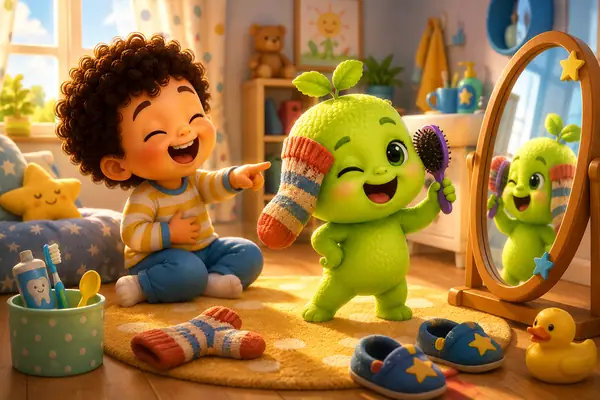
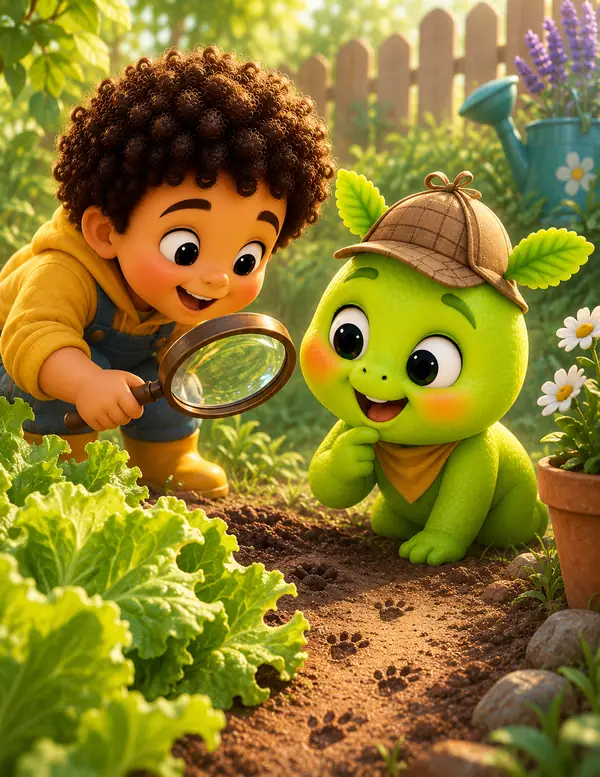
menu_bookFor parents: Why does my child ask "why" all the time?Gentle stories where your child is the hero and Grow the friend.
Read together →
Read together →
Read together →
Read together →

Read together →
Read together →
Read together →
Read together →
Read together →
Read together →
Answers are simplified for young children and checked against child-friendly science references.