 Kidy
Kidy
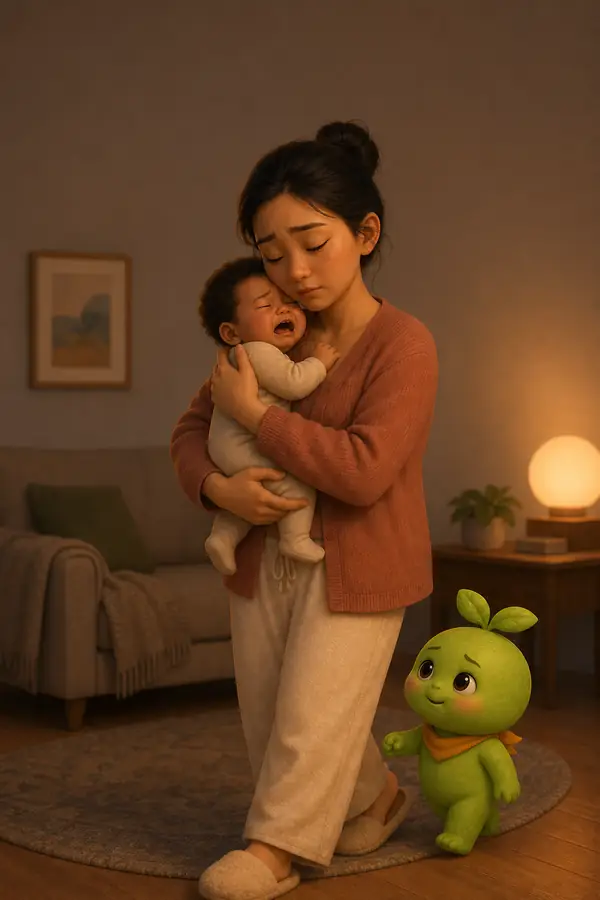
Your baby was happy with grandma last week and now sobs the second you reach for the door. Nothing is wrong. This is separation anxiety, and it means your baby's attachment is working.
- Starts around 8 months (object permanence: you still exist when you leave)
- Peaks between 10 and 18 months, then eases through the second year
- It is a sign of secure attachment, not a habit you created or must break
- What helps most: short predictable goodbyes, a steady routine, a comfort object
- Ask your pediatrician if it is extreme, never improving, or paired with lost skills
📋 See where your child is: check the Milestone checklist by age for the skills most children reach around this age.
Quick reference: separation anxiety by age
| Age | What it often looks like | What helps |
|---|---|---|
| 6–9 months | First clinginess, crying when you leave the room | Narrate where you are going ("Mama is getting water") |
| 10–14 months | Strong protest at drop-off, shadowing you at home | Quick, warm goodbye + a familiar caregiver |
| 15–18 months | Peak intensity, bedtime resistance, more night waking | Predictable bedtime routine, comfort object |
| 19–24 months | Gradual easing, occasional flare-ups with change | Practice short separations, name the feeling |
These are typical ranges, not a schedule. Every baby moves through this on their own timeline.
What separation anxiety actually is
Around 8 months, a baby's brain reaches a milestone called object permanence: the understanding that things (and people) still exist even when out of sight. The U.S. Centers for Disease Control and Prevention lists "looks for things they see you hide" among the social and thinking milestones around this age. The catch is that knowing you exist somewhere else is exactly what makes your absence worth protesting.
At the same time, your baby has formed a strong, specific attachment to you. The American Academy of Pediatrics describes separation anxiety as a normal and healthy part of development, peaking in the second half of the first year and into the second. In other words, the crying is not a setback. It is your baby telling you that you matter more than anyone in the room.
If you want a fuller picture of everything happening developmentally around this time, our 12-month development guide and 18-month guide lay out the milestones, sleep, and behavior changes that travel alongside this phase.
Signs separation anxiety is starting
The shift often appears over a week or two, sometimes seemingly overnight. The common early signs:
- Cries or fusses the moment you leave the room
- Follows you around the house and wants to be in the same room
- Wants to be held more often, and reaches for you over other people
- Suddenly protests bedtime or naps after settling well for weeks
- Cries or clings hard at daycare or childcare drop-off
If several of these appeared around the same time near 8 to 12 months, separation anxiety is the likely explanation, not a new behavior problem.
When it starts and when it ends
Most babies show first signs near 8 to 9 months, with intensity peaking somewhere between 10 and 18 months (NHS). For many children it fades noticeably through the second year as language and memory mature, though brief flare-ups are normal around big changes: a move, a new sibling, illness, or starting daycare.
There is wide variation here. Some babies barely register it; others protest hard for months. Both are normal. What matters is the trend over weeks, not a single rough drop-off.
Why it is a good sign, not a problem to fix
It helps to reframe what is happening. A baby who protests when you leave has learned two sophisticated things: that you are their secure base, and that you can disappear. That is cognitive and emotional progress, not regression.
You did not cause it by holding your baby too much. You cannot spoil a baby into anxiety. Responding warmly now is what teaches your child that goodbyes are survivable and that you always come back.
What helps day to day
The goal is not to eliminate the feeling but to help your baby learn that separations are predictable and temporary.
- Keep goodbyes short and confident. A drawn-out goodbye signals that leaving is scary. A quick hug, a consistent phrase, and a calm exit work better.
- Never sneak out. Disappearing without a word can make the anxiety worse, because your baby learns you might vanish at any moment.
- Build a goodbye ritual. The same three steps every time (hug, wave at the window, "back after lunch") give your baby a script they can predict.
- Play peekaboo and hide-and-seek. These games rehearse the core lesson - things that disappear come back - in a fun, low-stakes way.
- Offer a comfort object. A specific blanket or soft toy can bridge the gap when you are not there.
- Keep caregivers consistent. A familiar face at drop-off lowers the intensity dramatically.
If/then for a hard drop-off: if your baby clings and cries at handover, then hand them to the caregiver, say your one goodbye phrase, and leave. Lingering rarely calms a baby and usually prolongs the distress. Most children settle within a few minutes once the parent is gone.
How separation anxiety affects sleep
The same brain that protests at the door also protests at bedtime. A baby who was sleeping well may suddenly need you to stay, wake more often overnight, or cry the moment you put them down. This overlaps heavily with the sleep regression around 12 months and is a common reason a baby wakes up crying at night.
If your little one suddenly only sleeps when held, separation anxiety is often the driver. A steady, predictable bedtime routine is your best tool here: it reassures your baby that the sequence is the same every night and that you are nearby.
Common mistakes to avoid
- Sneaking out to "spare" the tears (teaches unpredictability)
- Sneaking back in after a tearful goodbye (restarts the cycle)
- Long, anxious goodbyes that telegraph your own worry
- Quizzing or scolding your baby for being clingy
- Swapping caregivers constantly during the peak weeks
If clinginess starts overlapping with everyday tantrums and pushback as your toddler grows, our guide to managing toddler behavior covers calm, consistent strategies that build on this same secure attachment.
What separation anxiety is not
Separation anxiety comes and goes around goodbyes and eases once you are back. It is tied to you leaving, not present all day every day. That distinction is what separates an ordinary clingy phase from something worth a closer look.
Talk to your pediatrician if your child:
- Loses skills they previously had (words, gestures, social warmth)
- Shows little interest in you or other caregivers, even when calm and content
- Seems distressed most of the day, not just around separations
- Cannot be soothed by anyone for prolonged periods, week after week
These patterns are not typical separation anxiety, and your pediatrician is the right first stop. For the everyday version that revolves around goodbyes, it is a normal phase that passes.
How KidyGrow helps you
The hardest part of separation anxiety usually isn't the crying. It's the wondering: is this getting worse, did I do something wrong, will it ever end?
KidyGrow is built to answer exactly that. As you note a few things over a few days (rough drop-offs, night wakings, what actually soothed your baby), it learns your child's pattern and hands it back to you in plain words. Your Daily Brief might say "Separation protest has eased for 3 days now" - the proof, when you are too tired to trust your own memory, that the phase really is passing. When clinginess spikes, your Tonight Plan leans the bedtime routine toward more predictability so you are not guessing.
It is not magic on day one. KidyGrow needs about 3 to 5 days of your real notes before the picture is genuinely useful, because it learns your specific baby, not an average one. After that, it carries what a sleep-deprived parent can't: the memory of how this week compares to last.
Frequently asked questions
At what age is separation anxiety the worst?
For most babies it peaks between 10 and 18 months. A smaller second wave sometimes appears around 2 years, often tied to a change like daycare or a new sibling. Both are normal.
How long does separation anxiety last?
The intense phase usually lasts a few months around the peak and eases noticeably through the second year as language and memory grow. Brief flare-ups around big changes can continue into toddlerhood.
Did I cause my baby's separation anxiety by holding them too much?
No. You cannot create anxiety by responding to your baby. Separation anxiety is a normal developmental stage driven by object permanence and healthy attachment, not by parenting style.
Should I sneak out to avoid the tears?
No. Sneaking out tends to increase anxiety because your baby learns you might disappear without warning. A short, predictable goodbye is harder in the moment but works better over time.
Is separation anxiety worse at night?
Often, yes. Bedtime is a separation, so the same phase that causes daytime clinginess can bring extra night waking and bedtime resistance. A consistent routine helps most.
When should I worry about separation anxiety?
If distress is extreme and unsoothable for prolonged periods, never improves into the second year, comes with lost skills, or severely disrupts eating and sleeping for weeks, talk to your pediatrician.
Sources
- Centers for Disease Control and Prevention (CDC) — Developmental Milestones (Important Milestones: Your Baby By Nine Months and One Year).
- American Academy of Pediatrics (AAP), HealthyChildren.org — Soothing Your Child's Separation Anxiety.
- NHS — Separation anxiety in babies and toddlers.
- ZERO TO THREE — Understanding and Responding to Separation Anxiety.