 Kidy
Kidy
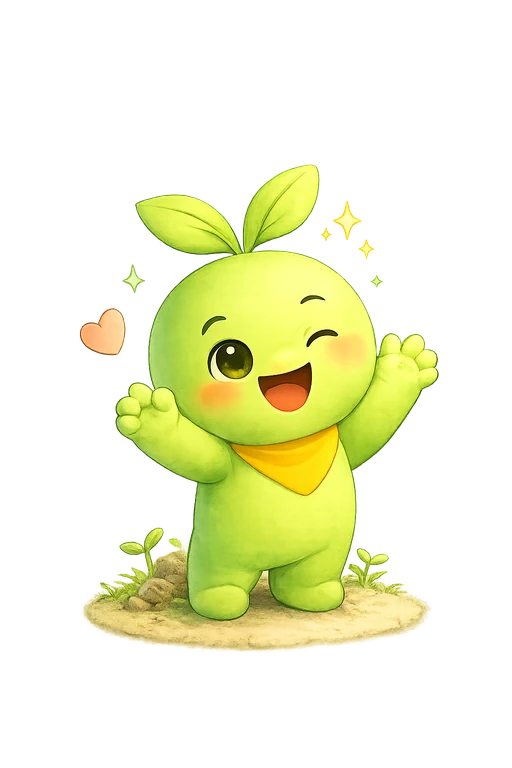
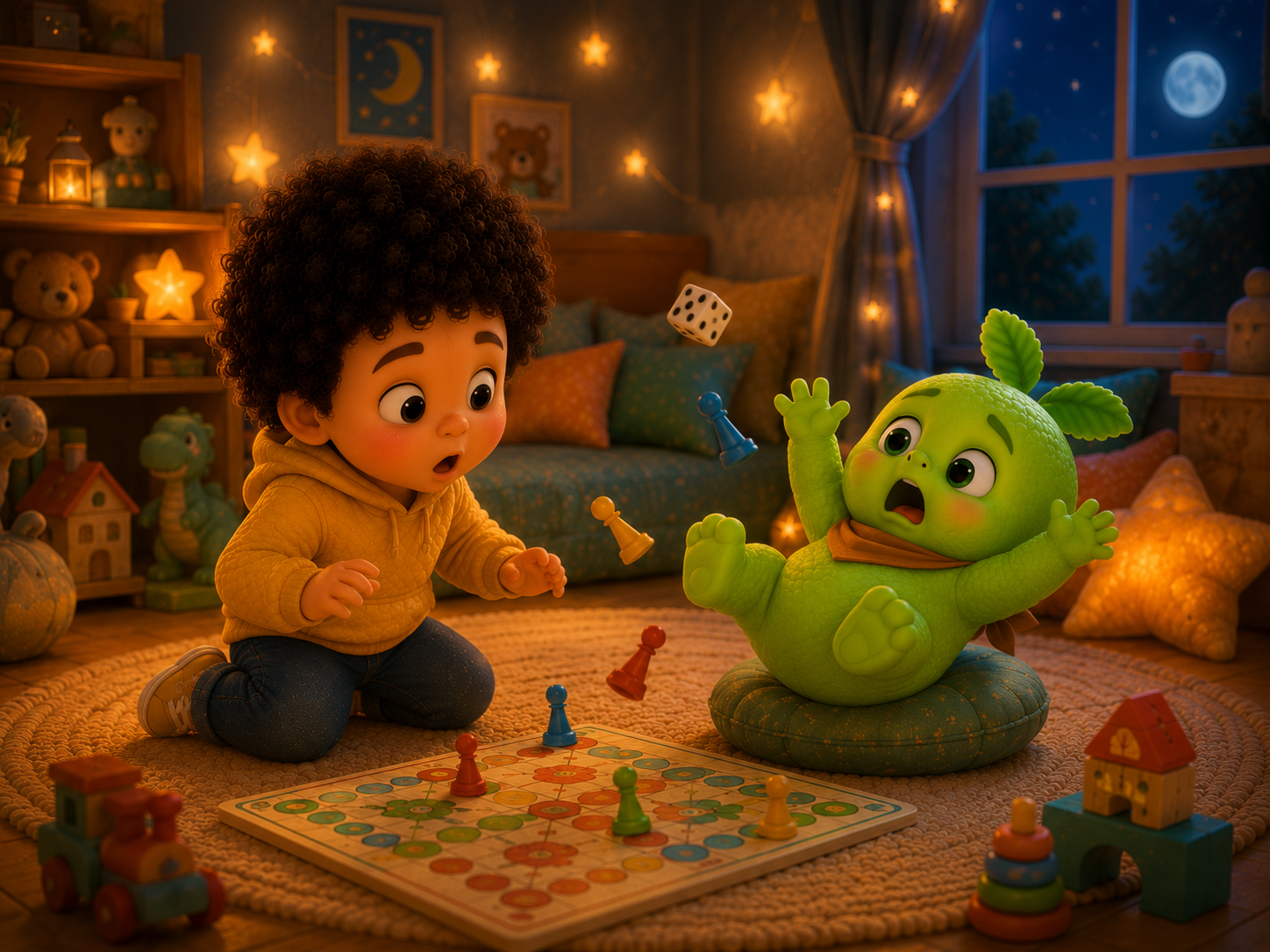
The board is out, little one, the pawns are lined up, and the first game of the evening begins. Grow rolls, you roll, the little pawns hop along their path. And then Grow's pawn gets sent all the way home, twice, and loses. Grow stares at the board. Grow inhales. And Grow performs the full tragic flop: backwards off the cushion, legs in the air, pieces flying everywhere.
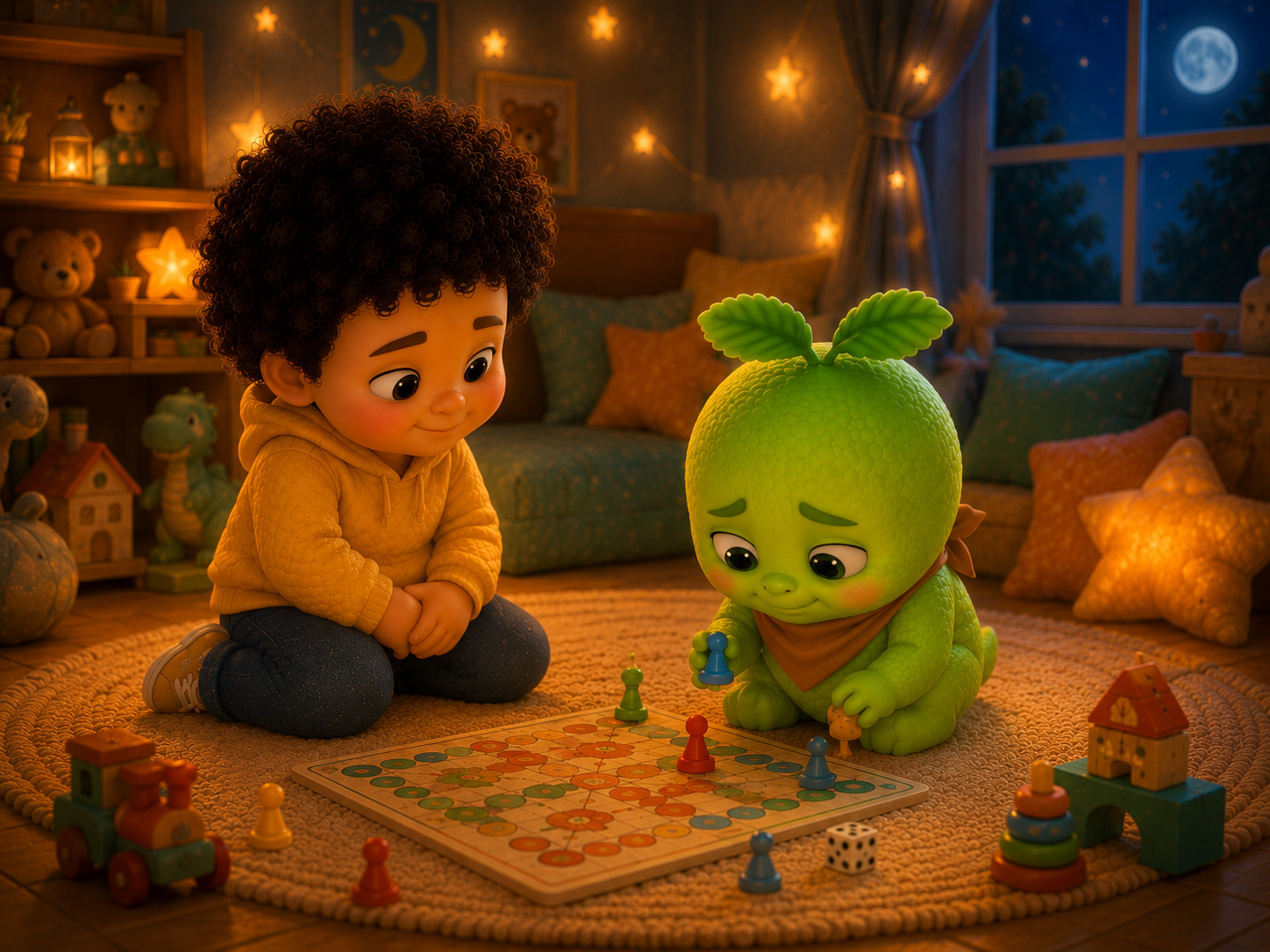
You wait while Grow picks up every single piece, which takes a while, since flopping is fast but tidying is slow. 'Better?' you ask. 'No,' says Grow, ears down. 'Losing feels like a wasp in the tummy.' You nod. It really does. You set up the board again anyway, and that little word, again, turns out to matter more than anyone noticed.
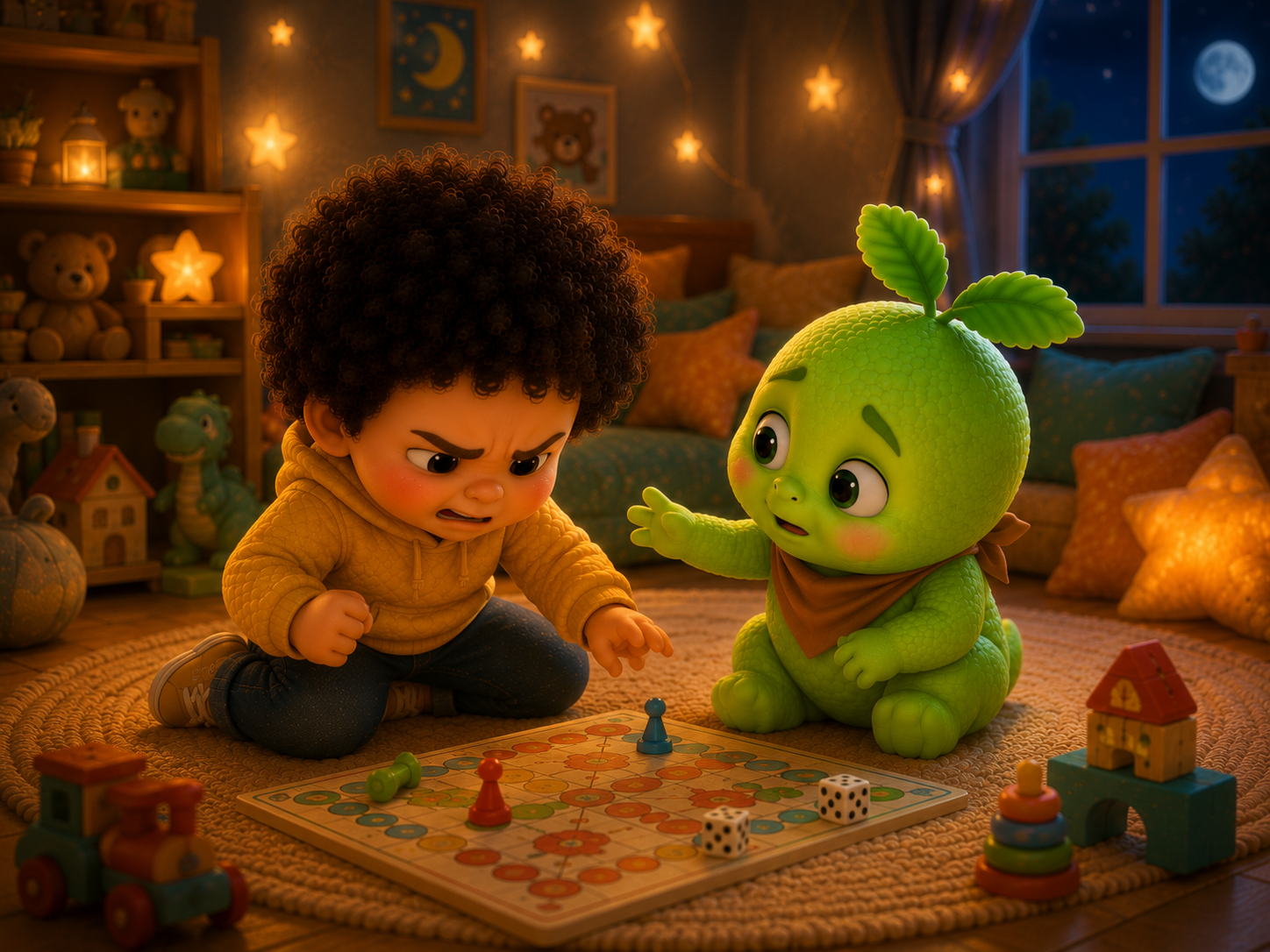
Round two. And this time the dice turn on YOU. Your pawn is sent home right before the end, and the wasp is suddenly in your tummy, hot and buzzing, and your hand twitches toward the edge of the board, wanting to flip the whole thing into the sky.
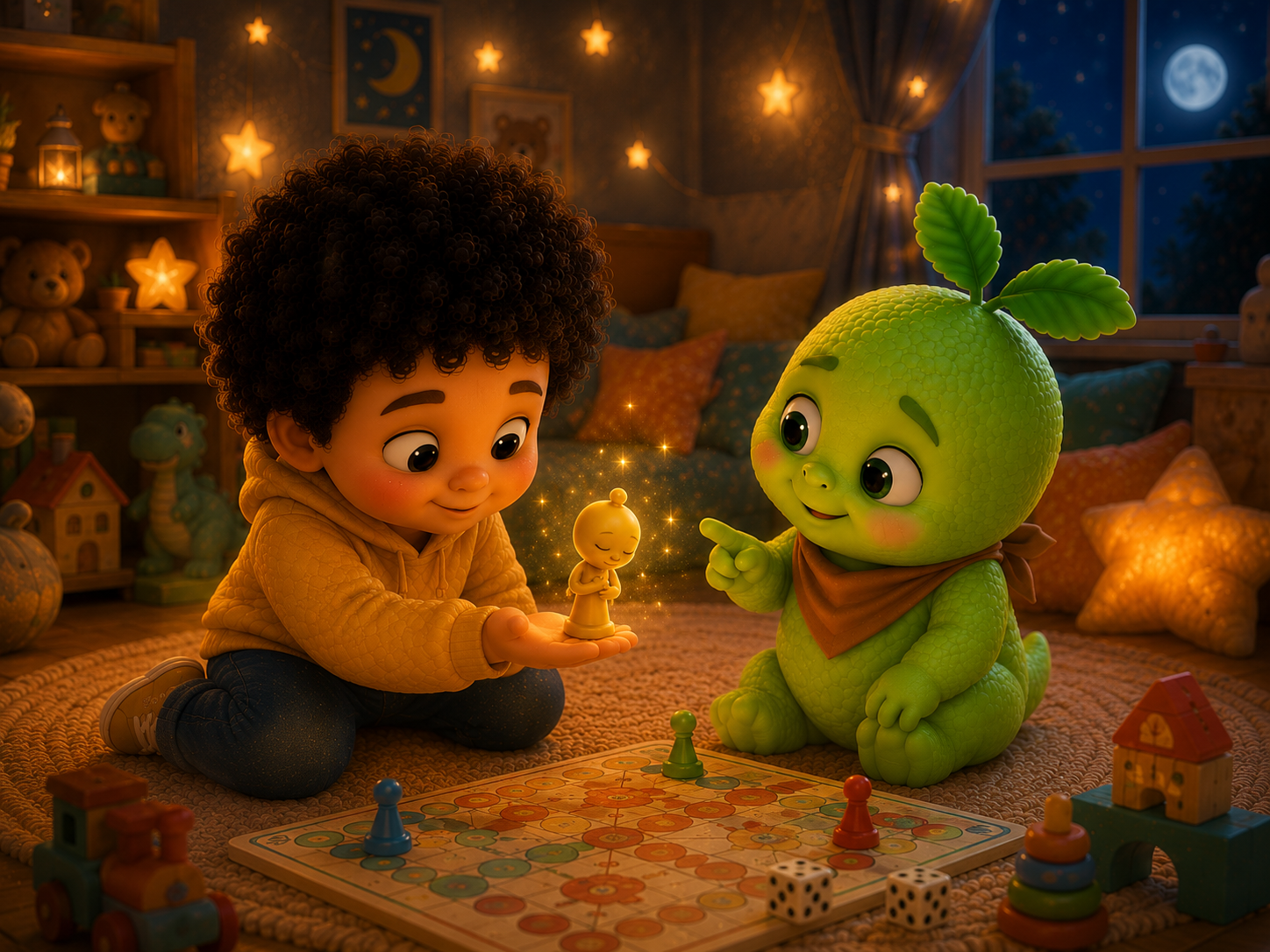
'Wait,' says Grow quickly. 'Before the flip. Look at your pawn.' And your little pawn does something no pawn has ever done: it climbs up onto your palm, stands very straight, and takes a deep, proper bow. Like an actor when the play ends. 'It played its whole part,' says Grow. 'Same bow for winning, same bow for losing. Because the small game ends. The big game is that we play again.'
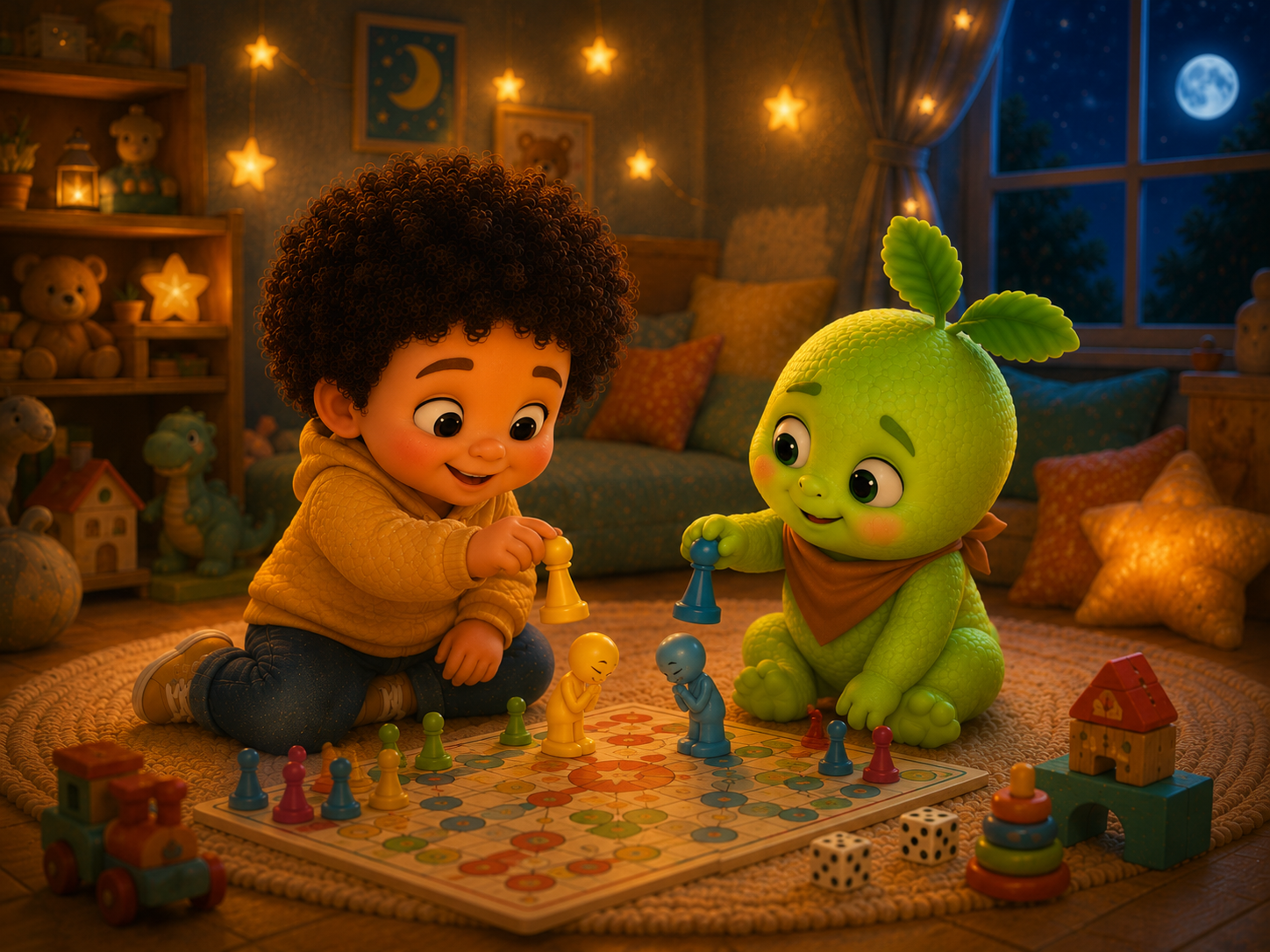
So you bow your pawn, and Grow bows the winning pawn, and somehow the wasp buzzes off mid-bow, unnoticed. The board is already being set up for round three, which is the big game, going on and on. 'So, little one,' Grow asks, 'did we grow a little today?' You did. 'Here is your little grow for tomorrow,' says Grow. 'After the next game, win or lose, make your pawn take a bow.' See you tomorrow, little one.