 Kidy
Kidy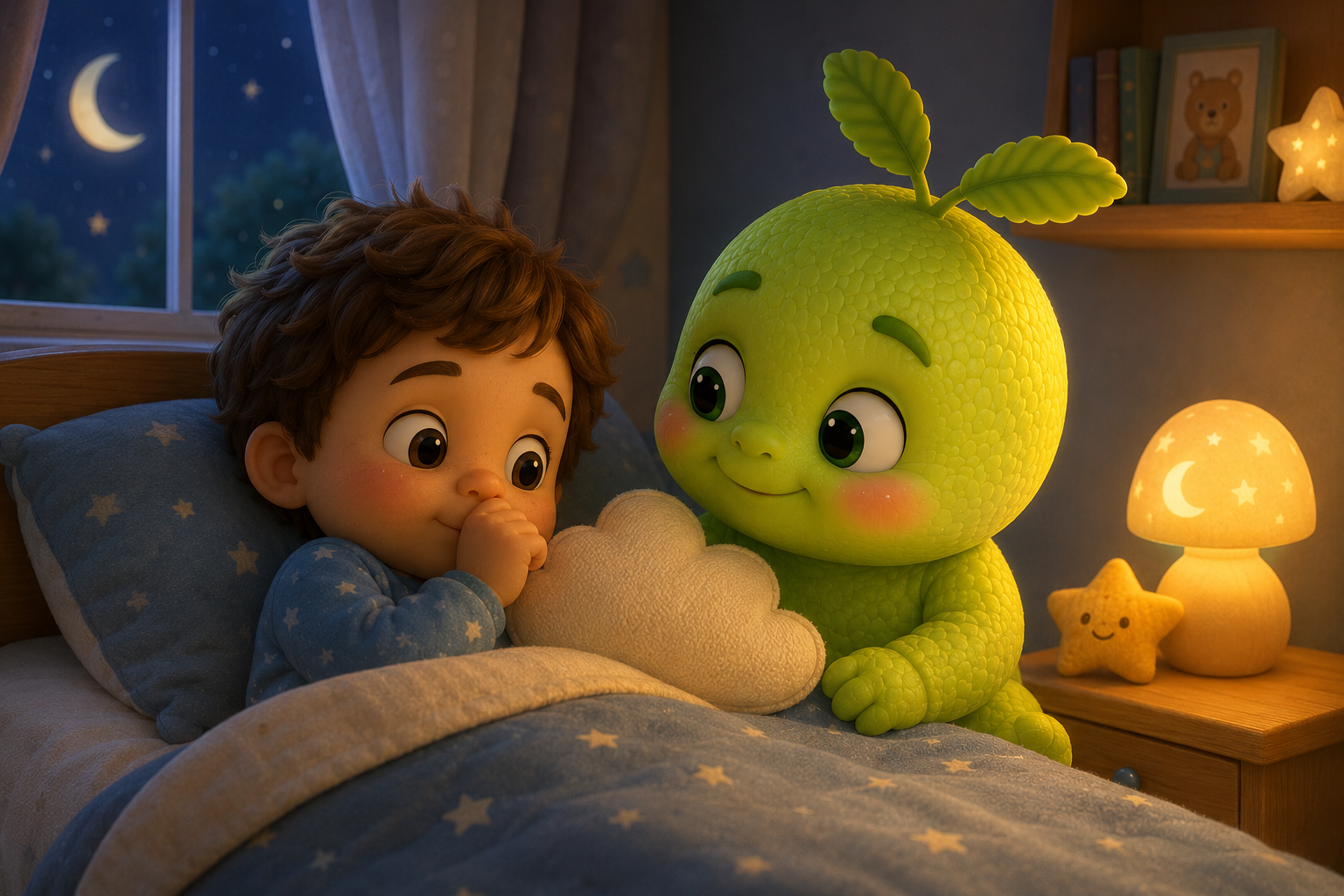

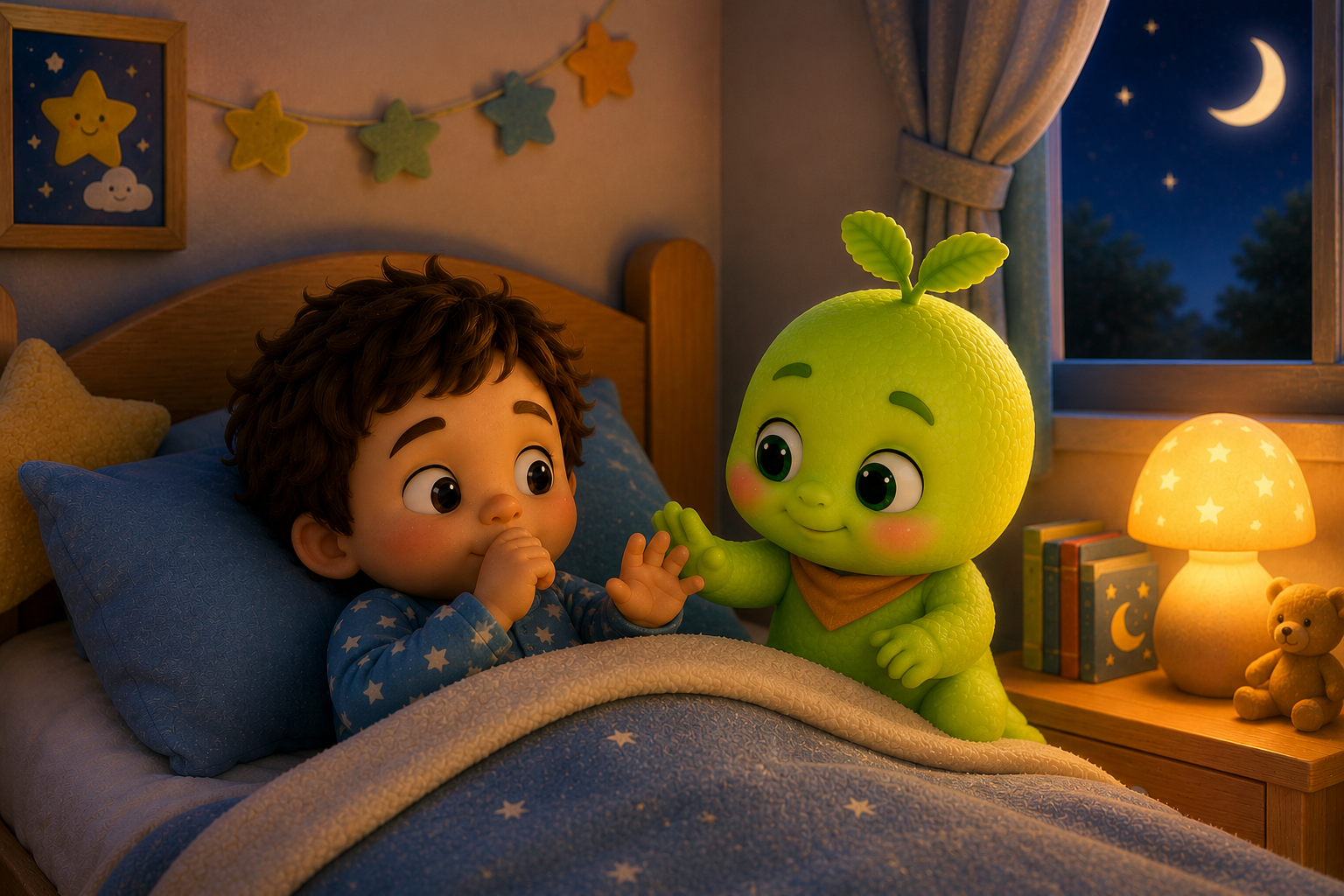
As you snuggle into bed, little one, your thumb finds its favorite cozy spot near your mouth, just like it always does. 'You don't need that anymore!' Grow says quickly, and gently moves your hand away from your mouth. 'All done with that.'
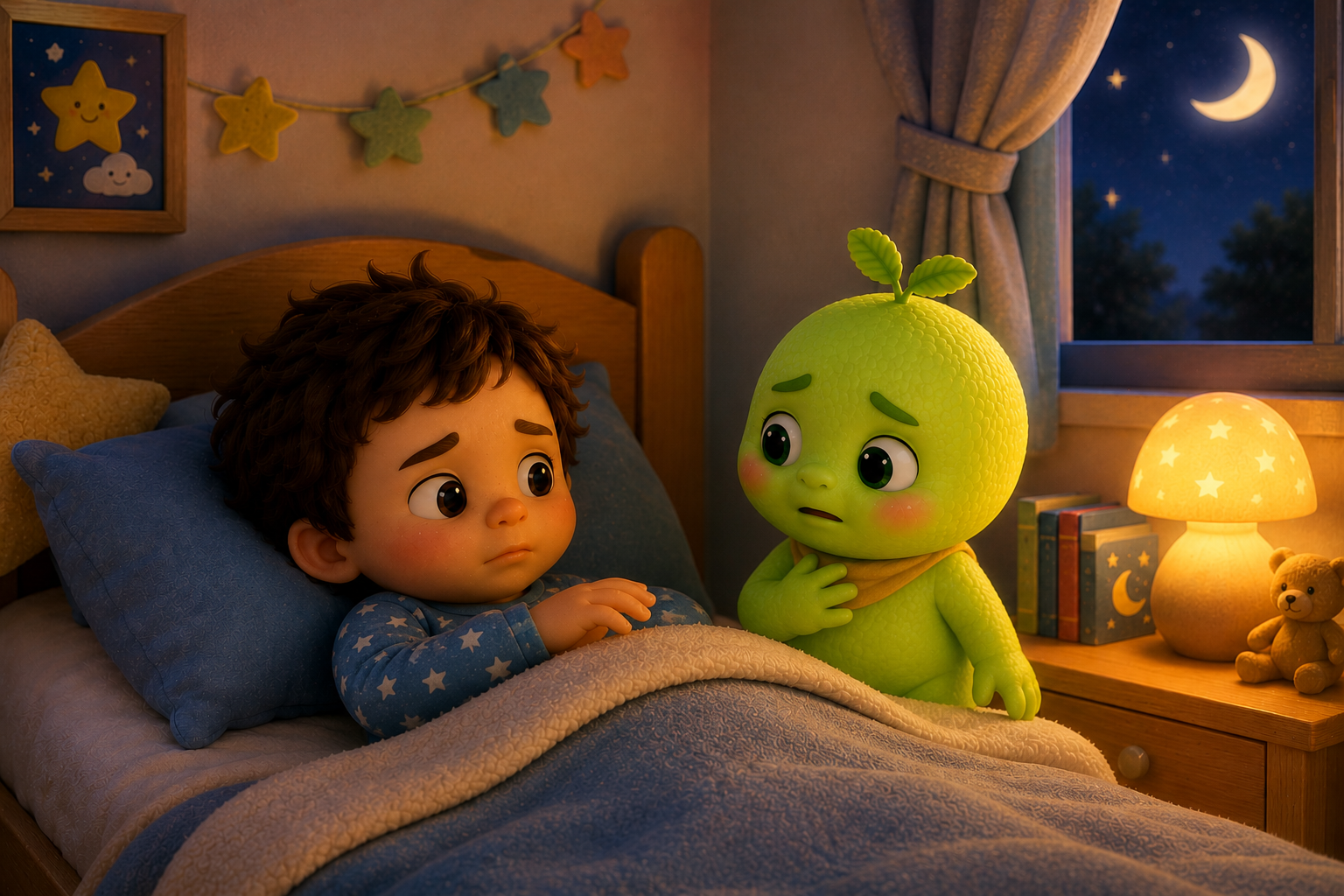
Your hand is left empty and strange, hovering with nowhere to go. It feels uncomfortable, like something is missing and you don't know what to put there instead. 'I miss it,' you say quietly. Grow tilts its head, surprised. 'I just took it away, without giving you anything instead. That's not right.'
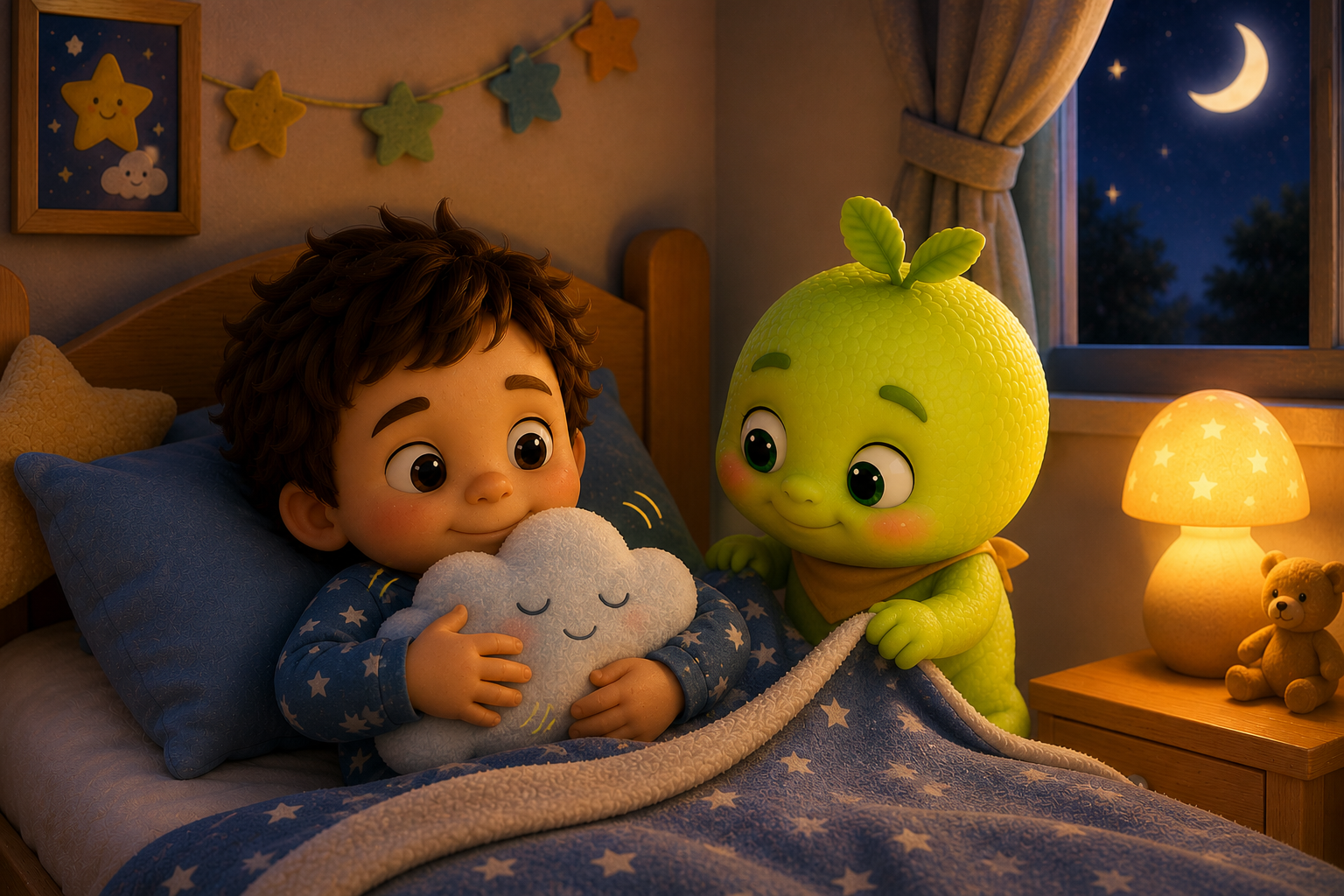
Grow peeks under the blanket and pulls out a small, cloud-shaped pillow, soft as a whisper. You wrap both arms around it and squeeze, and the little cloud hums the tiniest lullaby. 'This one hums back when you hug it tight,' says Grow. 'Now your hand has somewhere to go.'
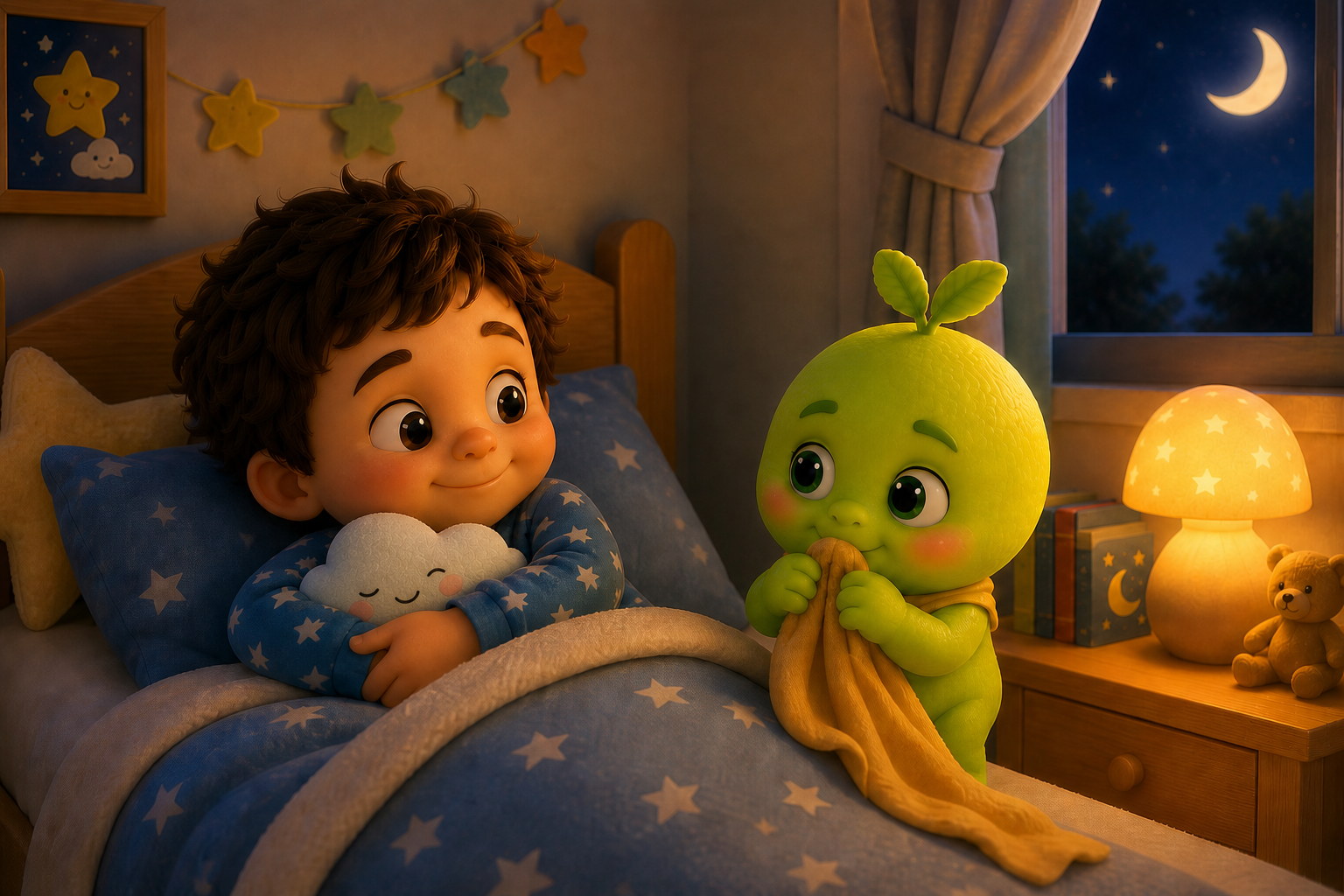
Grow leans close. 'I still chew the corner of my own blanket some nights, until I find something new to hold instead. It takes a few tries, and that is alright.' You smile, picturing Grow with a soggy blanket corner.
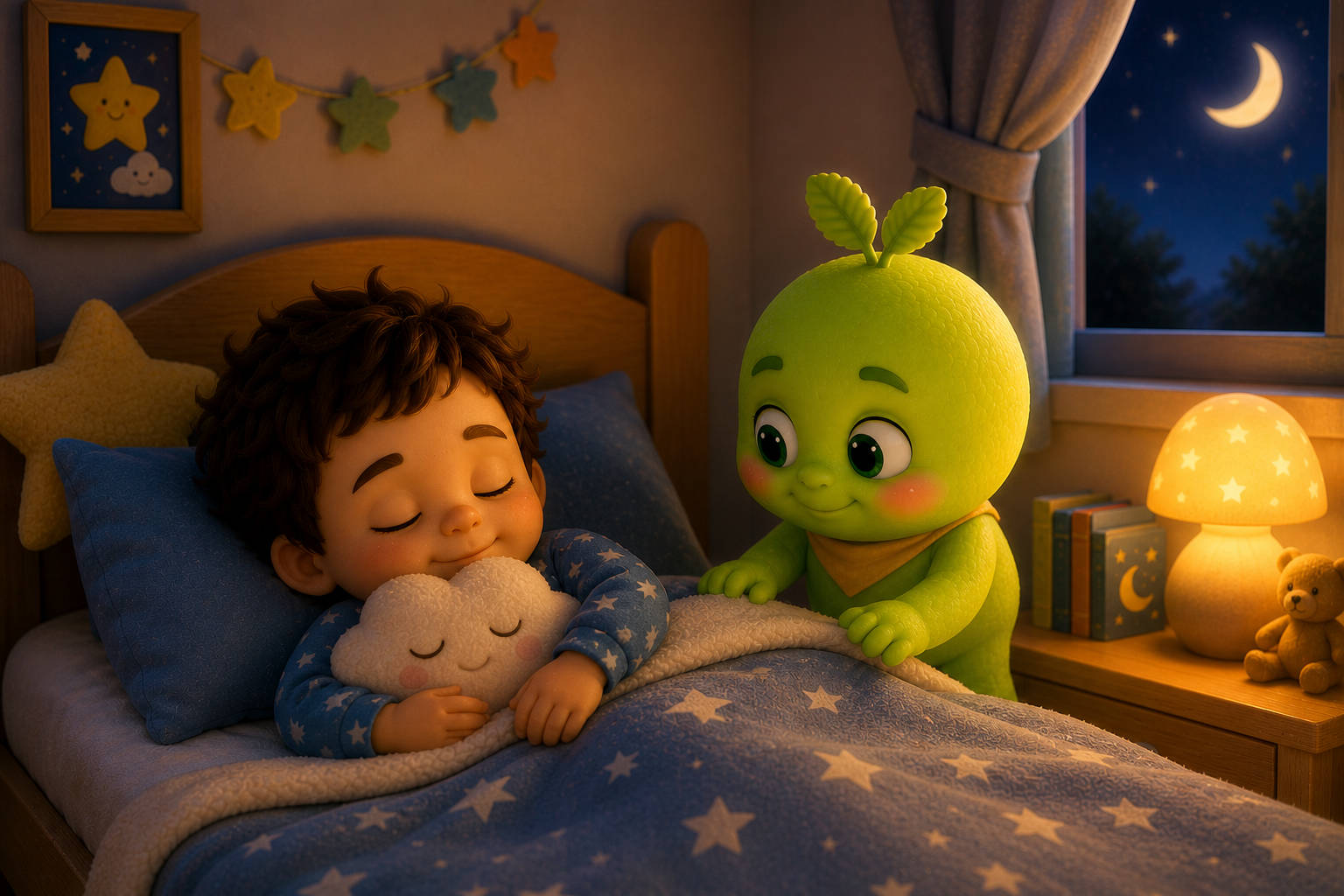
You hug the little cloud pillow tight against your chest, your thumb resting quiet beside you, and your eyes grow heavy. Grow smooths the blanket and asks, 'So, little one... did we grow a little today?' You nod, cozy and slow. 'Here is your little grow for tomorrow,' says Grow. 'Tonight, pick one soft thing to hug tight, and give your thumb a little rest.' See you tomorrow, little one.