 Kidy
Kidy
Space
Space brings together 12 topics and 64 questions, from “What is a star?” to “How do we know about places we can never visit?”. Choose what your child is curious about today.
Choose a topic
12 focused sets make it easy to follow the questions your child is asking today. Each topic opens its own complete collection.
Sun & stars
- What is a star?
- What is the Sun?
- What colour is the Sun?
The Moon
- What is the Moon?
- Why does the Moon change shape?
- Does the Moon make its own light?
Planets
- How big is Jupiter?
- What is a planet?
- What is Earth?
Astronauts
- How do astronauts sleep in space?
- What is an astronaut?
- What do astronauts eat in space?
Gravity
- What is gravity?
- Why don't we float off the Earth?
- Why does the Moon stay near the Earth?
Galaxies
- What is a galaxy?
- What is the Milky Way?
- How many stars are there?
Comets
- What is a comet?
- What is a shooting star?
- What are asteroids?
Exploring space
- How do we see stars that are so far away?
- What is a satellite?
- What is the space station?
Life of a star
- How is a star born?
- How do stars shine so brightly?
- What happens when a star dies?
Light and distance
- What is a light-year?
- Is looking at stars like looking back in time?
- How far away is the nearest star?
Our star, the Sun
- What are sunspots?
- What are solar flares?
- What makes the northern lights?
Big cosmic questions
- Why is Pluto not a planet anymore?
- How did the solar system form?
- What is the universe?
Why "why" questions matter
Around four and five, children ask "why" about everything, and that is exactly how they learn. Every question is a small door into how the world works. A short, honest answer keeps that door open, while "because I said so" quietly closes it.
You do not need to be an expert. Answering "let us find out together" is often better than knowing, because your child learns that not knowing is the start of discovery. Each card gives you a simple answer to start from, then a question to keep the chat going.
menu_bookFor parents: Why does my child ask "why" all the time?When the questions run out, a story
Gentle stories where your child is the hero and Grow the friend.
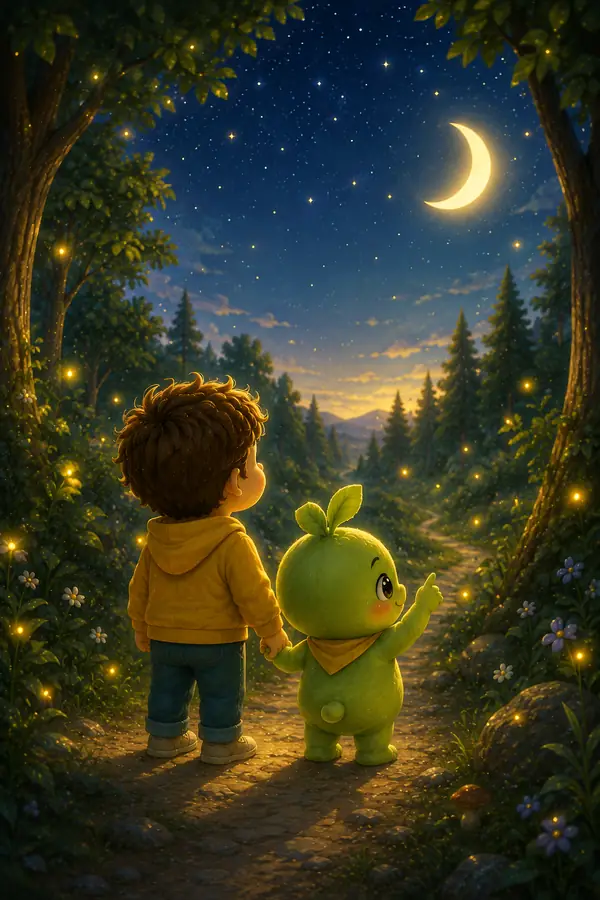
Grow and the Stars
Read together →
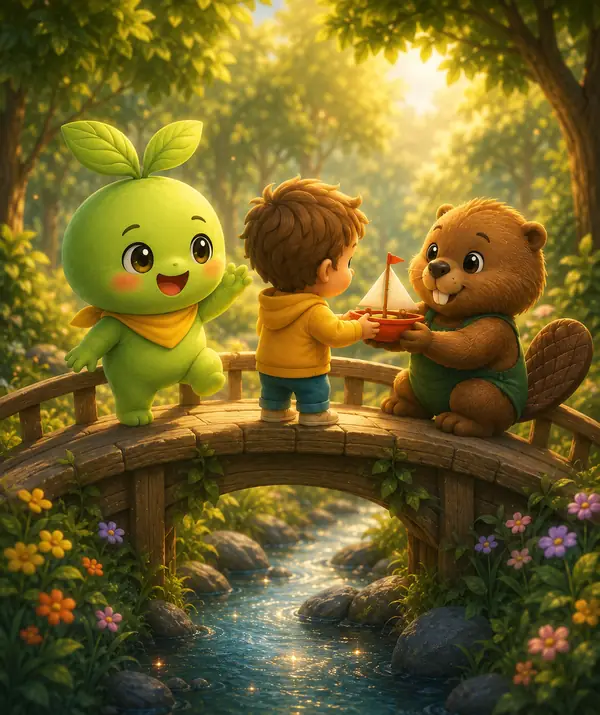
Grow and the Magic Bridge
Read together →
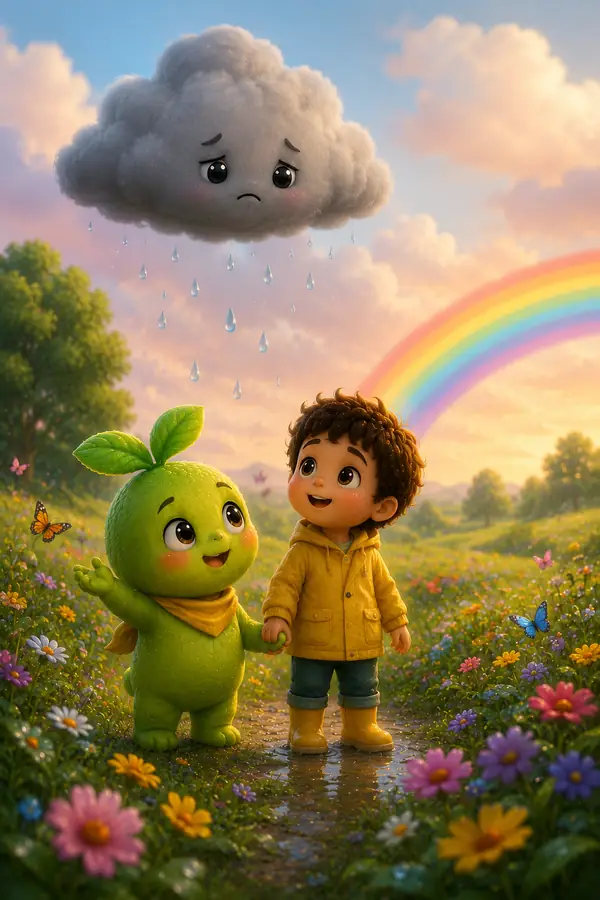
Grow and the Cloud Full of Feelings
Read together →
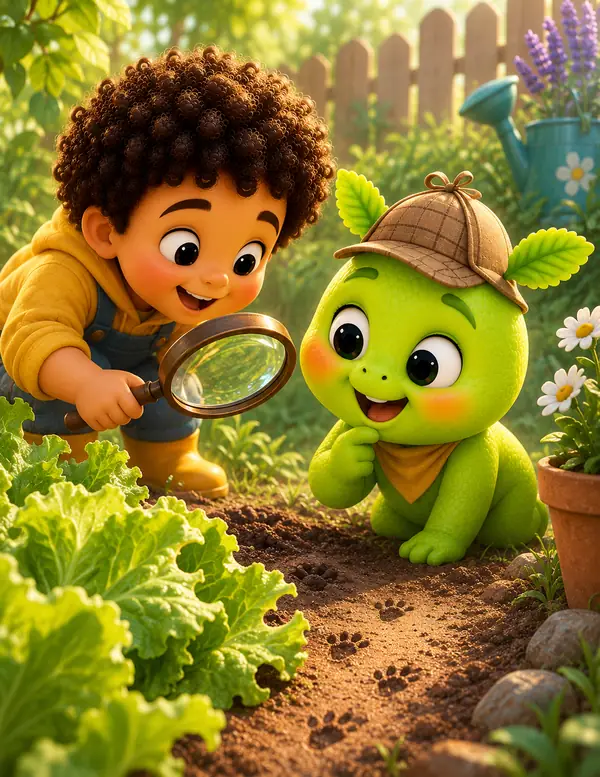
Grow and the Garden Mystery
Read together →
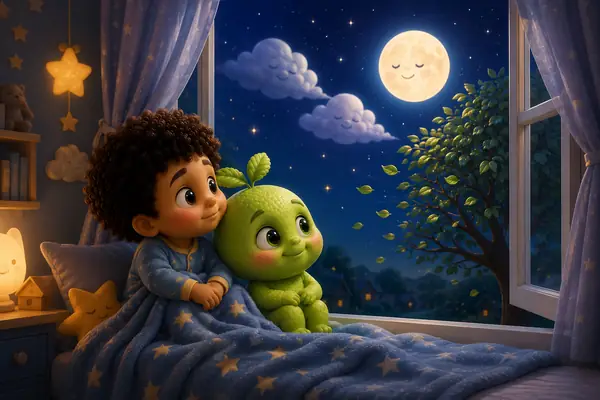
Grow and the Whispering Night
Read together →
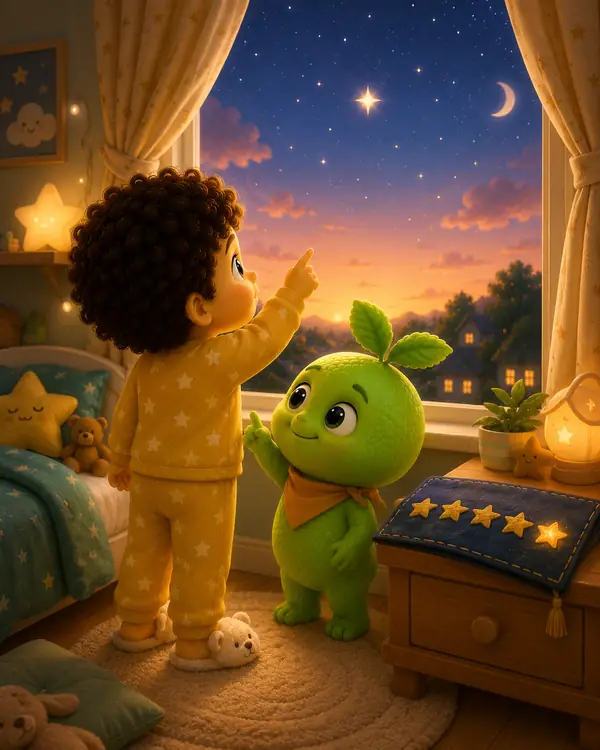
Grow and the Dry Night Map
Read together →
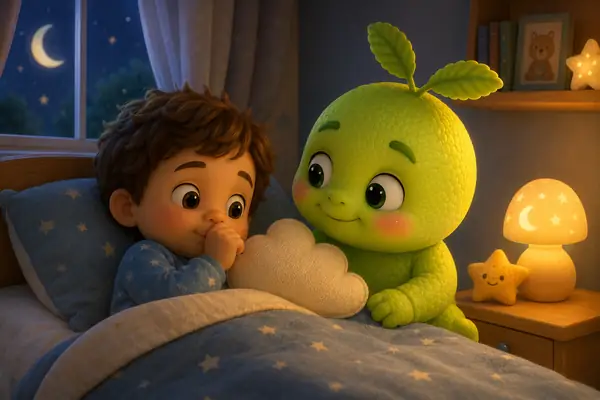
Grow and the Cozy Thumb
Read together →
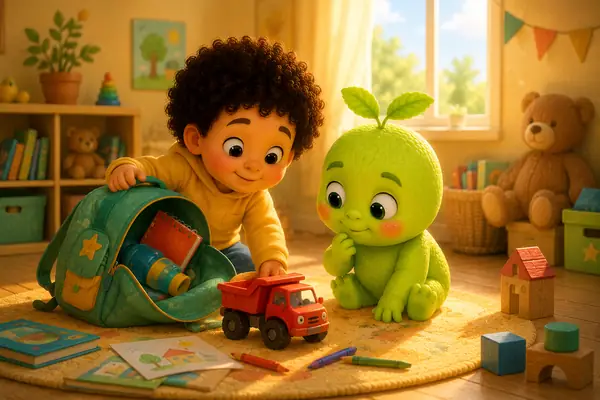
Grow and the Borrowed Little Truck
Read together →
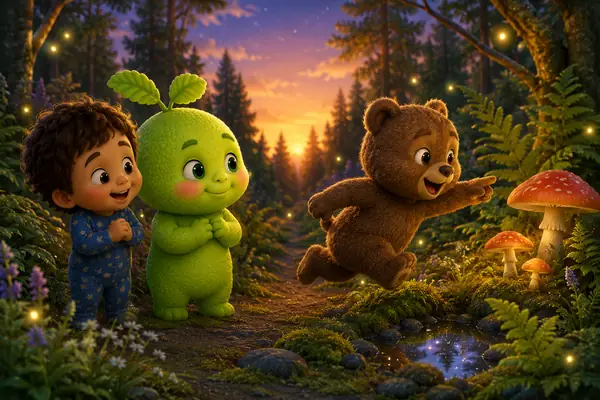
Grow and the Curious Little Bear
Read together →
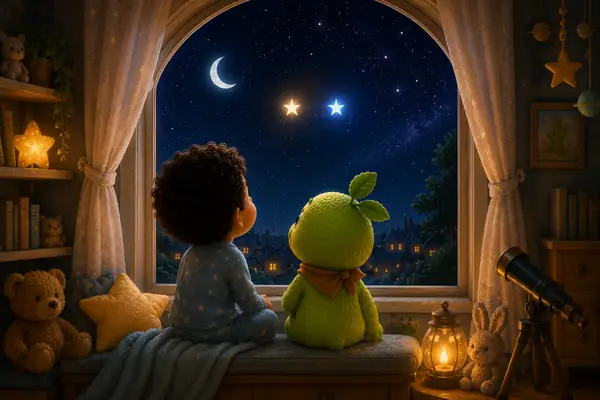
Grow and the Two Little Stars
Read together →
Sources
Answers are simplified for young children and checked against child-friendly science references.