 Kidy
Kidy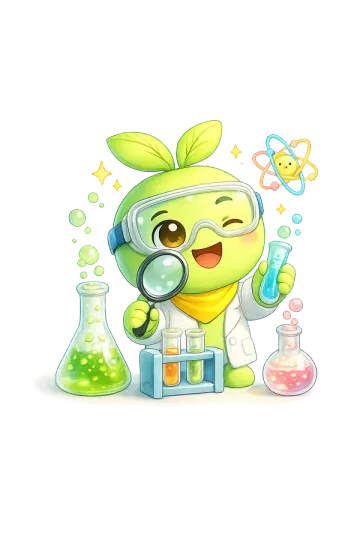
Science
Science brings together 12 topics and 64 questions, from “What does a magnifying glass do?” to “Why does the whole world mostly use the metric system?”. Choose what your child is curious about today.
Choose a topic
12 focused sets make it easy to follow the questions your child is asking today. Each topic opens its own complete collection.
Science basics
- What does a magnifying glass do?
- What is science?
- What can you find when you look closely at something?
Scientific method
- What is the scientific method?
- Why do scientists repeat experiments so many times?
- Why do scientists need a fair test?
Forces and motion
- What happens when you push a toy car?
- Why does a ball roll down a hill?
- Why does a swing go back and forth?
Chemistry in action
- What actually happens during a chemical reaction, at the level of atoms?
- What makes something acidic versus basic?
- Why do some substances conduct heat better than others?
Light and colour
- How do mirrors work?
- Why do we sometimes see colours differently from each other?
- How does light actually travel from place to place?
Mixing things
- What happens when you mix colours?
- Why does vinegar fizz with baking soda?
- Why don't oil and water mix?
Scientific mindset
- Why does gravity pull on absolutely everything?
- How do scientists know something is true if they cannot see it directly?
- Why is it important for scientists to admit when they are wrong?
Why "why" questions matter
Around four and five, children ask "why" about everything, and that is exactly how they learn. Every question is a small door into how the world works. A short, honest answer keeps that door open, while "because I said so" quietly closes it.
You do not need to be an expert. Answering "let us find out together" is often better than knowing, because your child learns that not knowing is the start of discovery. Each card gives you a simple answer to start from, then a question to keep the chat going.
menu_bookFor parents: Why does my child ask "why" all the time?When the questions run out, a story
Gentle stories where your child is the hero and Grow the friend.
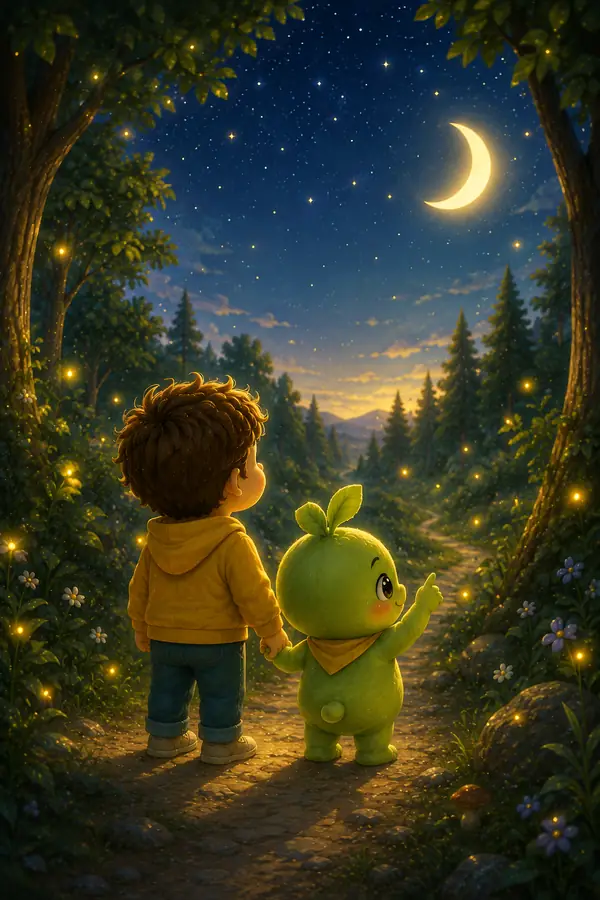
Grow and the Stars
Read together →
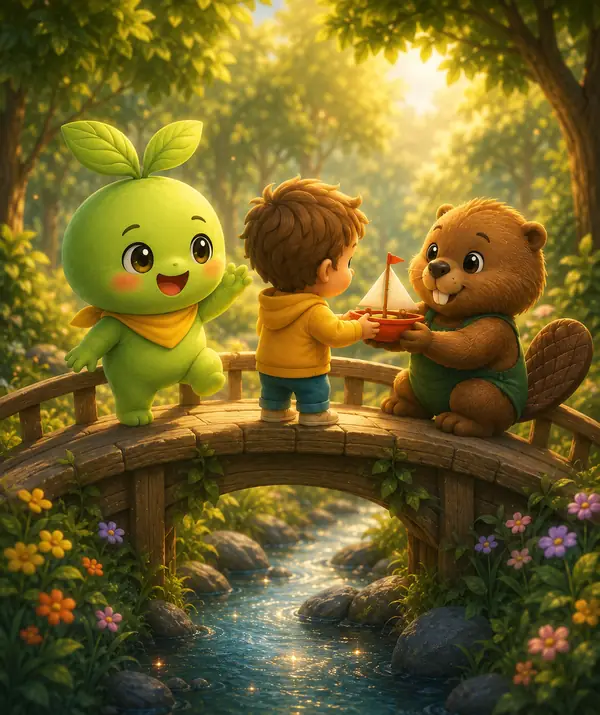
Grow and the Magic Bridge
Read together →
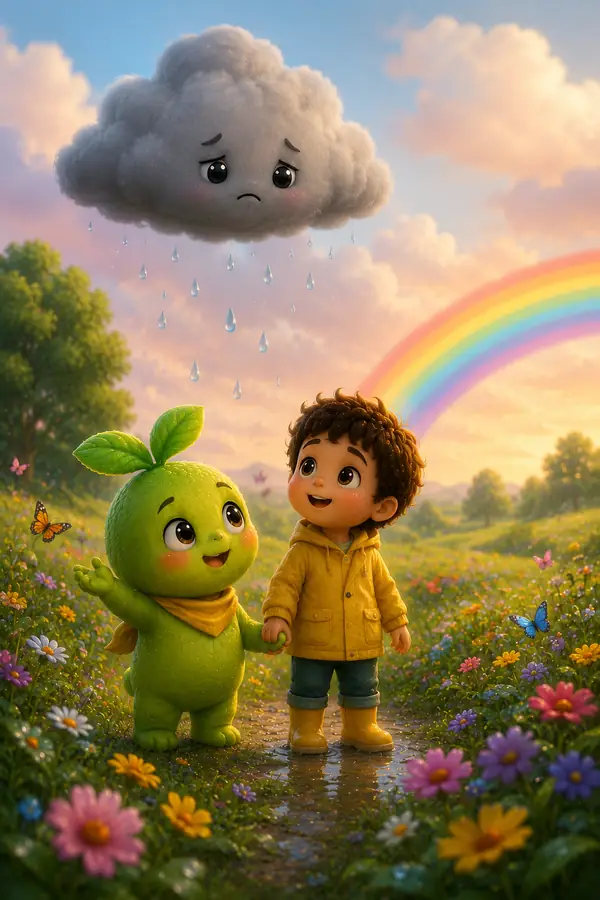
Grow and the Cloud Full of Feelings
Read together →
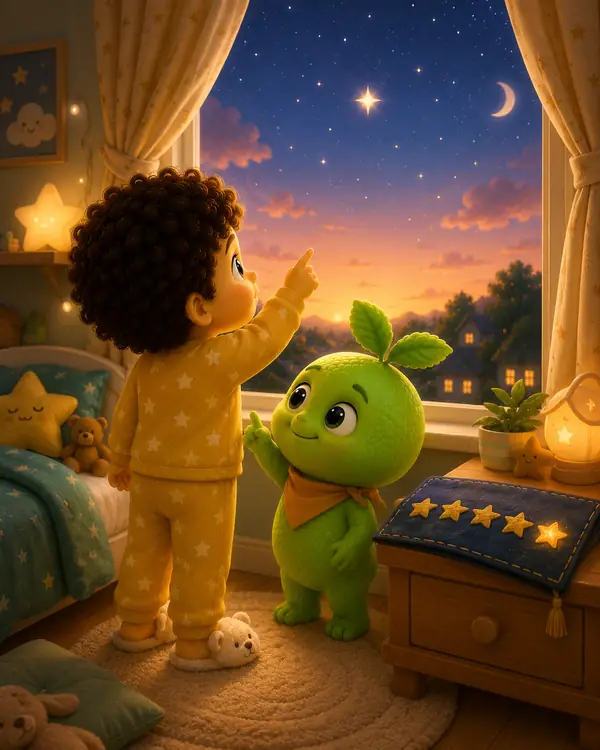
Grow and the Dry Night Map
Read together →
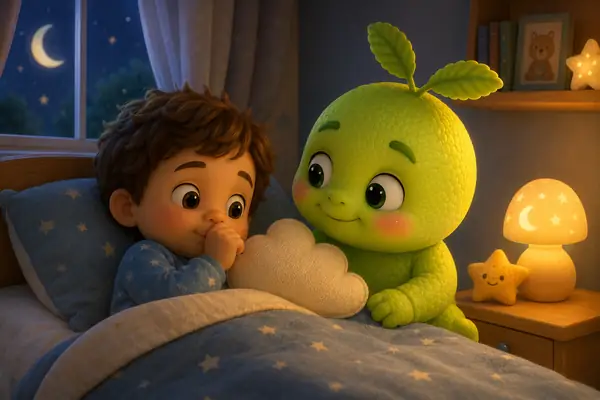
Grow and the Cozy Thumb
Read together →
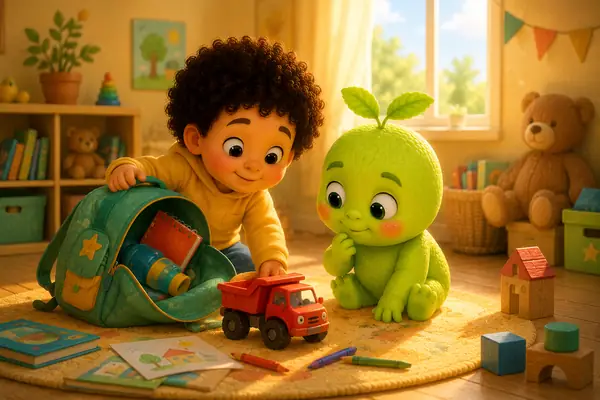
Grow and the Borrowed Little Truck
Read together →
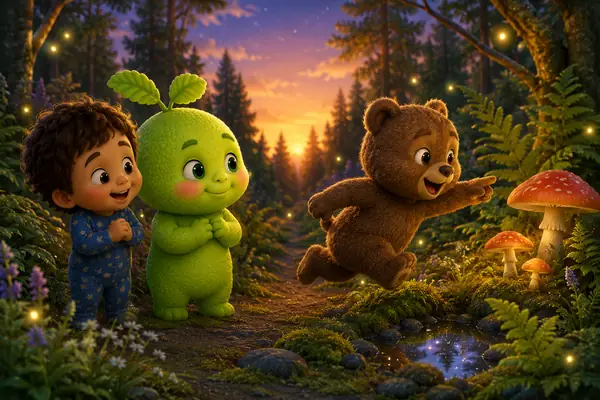
Grow and the Curious Little Bear
Read together →
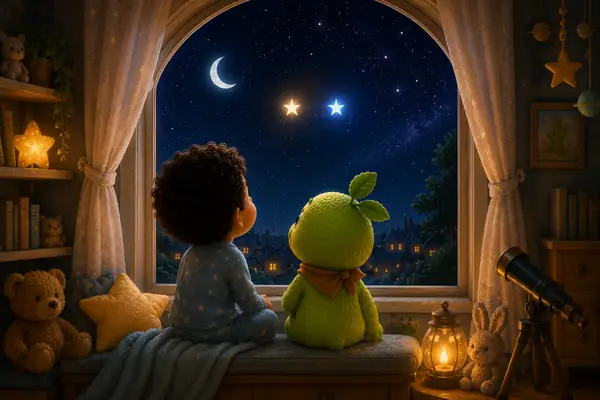
Grow and the Two Little Stars
Read together →
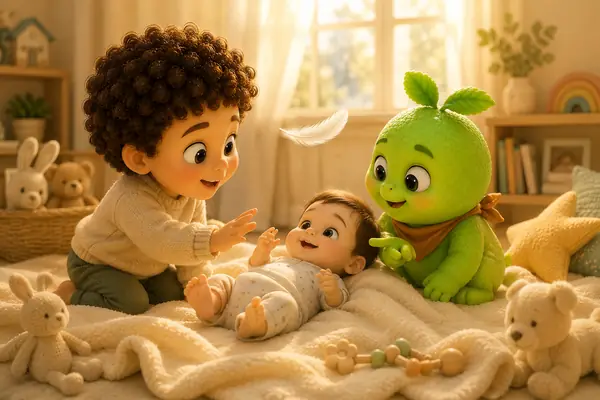
Grow and the Gentle Little Hands
Read together →
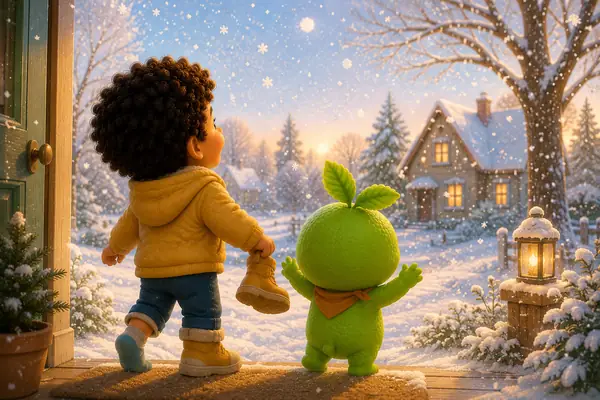
Grow and the First Snow
Read together →
Sources
Answers are simplified for young children and checked against child-friendly science references.