 Kidy
What does a happy face look like?
A happy face has a big smile and eyes that light up. You might feel happy when you play or get a hug.
7 more questions: Big feelingsarrow_forwardEmotions brings together 12 topics and 64 questions, from “What does a happy face look like?” to “Why do we say thank you?”. Choose what your child is curious about today.
One question from each topic, with an answer you can say out loud to your child.
A happy face has a big smile and eyes that light up. You might feel happy when you play or get a hug.
7 more questions: Big feelingsarrow_forwardEmotional intelligence means being able to recognise your own feelings, understand what is causing them, and manage how you respond, while also noticing and caring about what other people are feeling. It is a different kind of smart from getting good grades or solving maths problems, it is the skill of understanding people, starting with yourself. Just like any other skill, emotional intelligence can be practised and improved over time, it is not something you either have or do not have forever.
3 more questions: Emotional intelligencearrow_forwardEmpathy means being able to imagine how someone else feels, almost like stepping into their shoes for a moment to understand their world from the inside. It is different from just feeling sorry for someone, empathy is really trying to understand their exact feelings, not just noticing they are upset from the outside. People who practise empathy often become better friends, since they naturally notice what others need without having to be told.
3 more questions: Understanding othersarrow_forwardFill your belly with air like a balloon, then let it out slowly. It helps your body feel calm.
7 more questions: Calming downarrow_forwardResilience means being able to recover after something hard happens, a disappointment, a mistake, or a difficult change, and keep moving forward instead of staying stuck. It does not mean never feeling upset, resilient people still feel real sadness, frustration or fear, they have just built ways to work through those feelings and try again. Resilience is genuinely a skill that grows with practice, every time you get through something hard, your brain gets a little more confident it can handle the next one too.
3 more questions: Bouncing backarrow_forwardAnger usually shows up when something feels unfair, when you feel hurt, or when you cannot do something you really wanted to do, it is your body's alarm system reacting to a real problem. Underneath anger there is often another feeling hiding, like sadness, embarrassment or fear, which is why anger can sometimes feel confusing even to the person feeling it. Anger itself is not bad, it is simply information, the real question is always what you choose to do with it next.
3 more questions: Managing angerarrow_forward12 focused sets make it easy to follow the questions your child is asking today. Each topic opens its own complete collection.
Around four and five, children ask "why" about everything, and that is exactly how they learn. Every question is a small door into how the world works. A short, honest answer keeps that door open, while "because I said so" quietly closes it.
You do not need to be an expert. Answering "let us find out together" is often better than knowing, because your child learns that not knowing is the start of discovery. Each card gives you a simple answer to start from, then a question to keep the chat going.
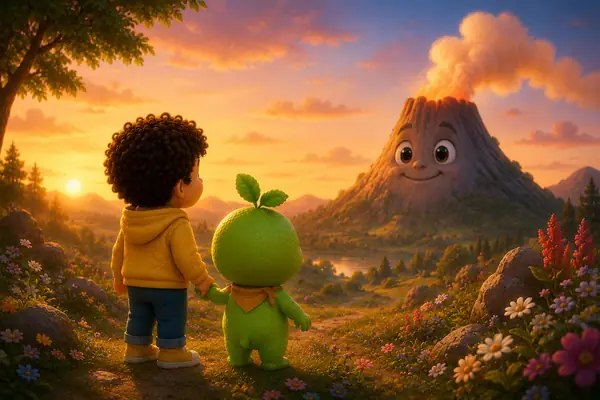
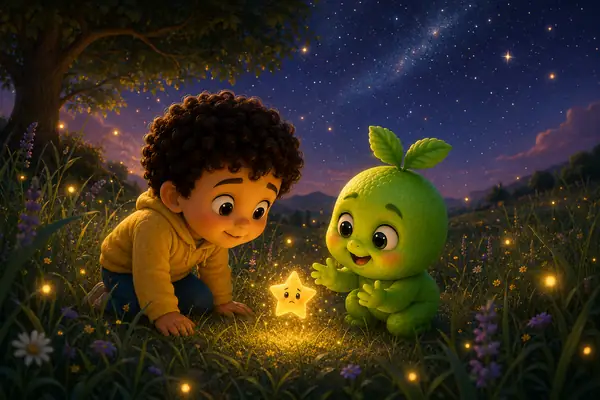
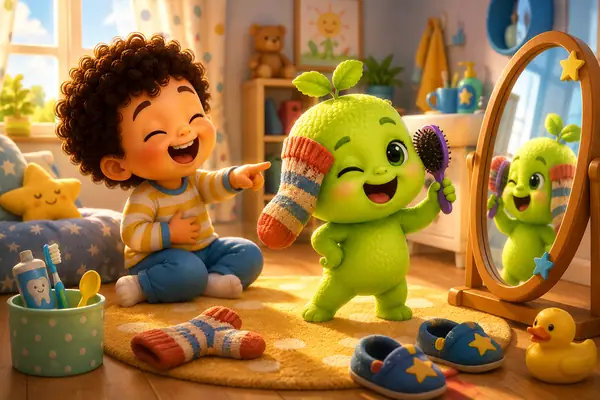
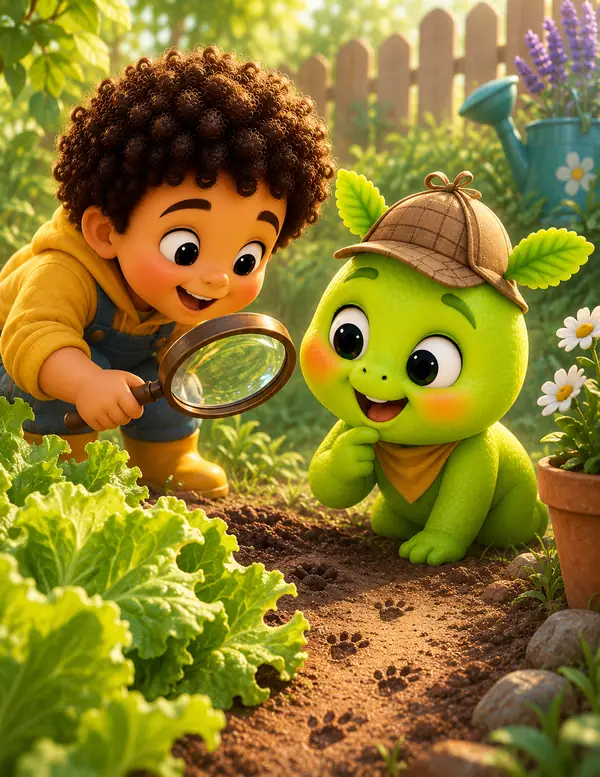
menu_bookFor parents: Why does my child ask "why" all the time?Gentle stories where your child is the hero and Grow the friend.
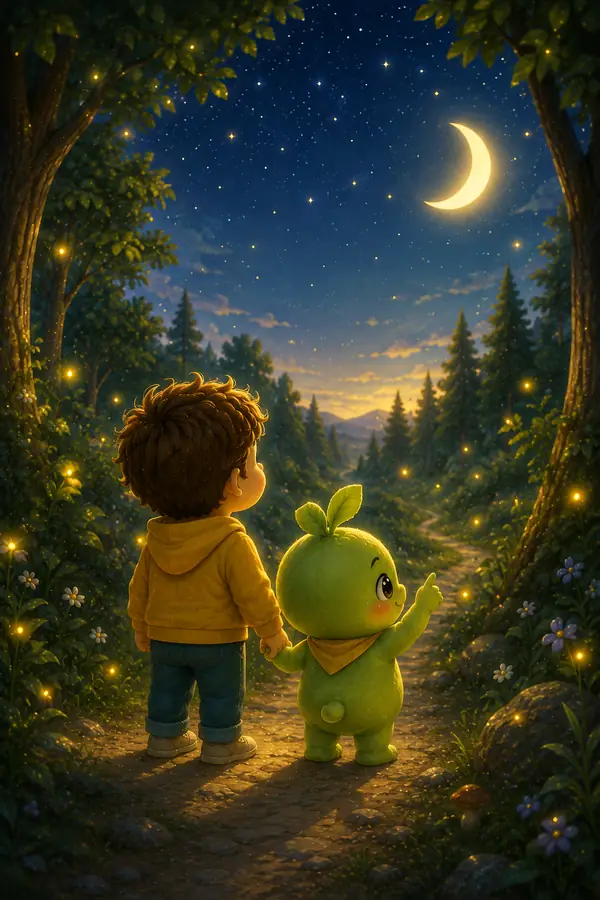
Read together →
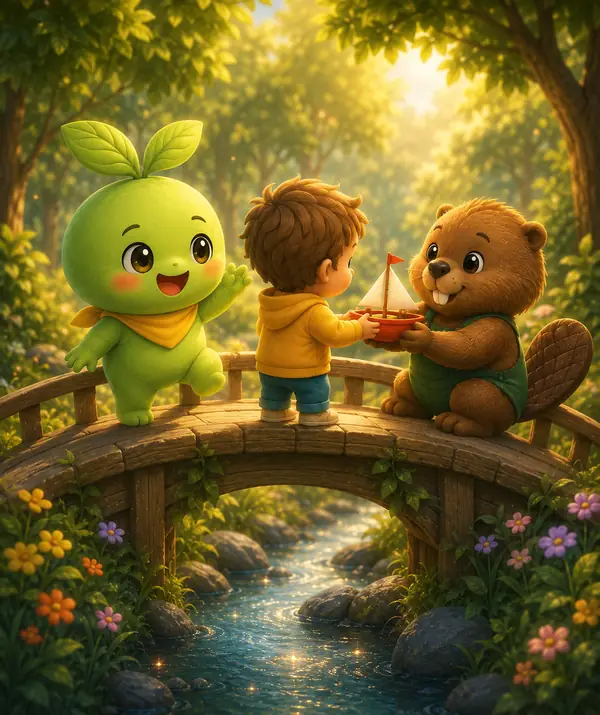
Read together →
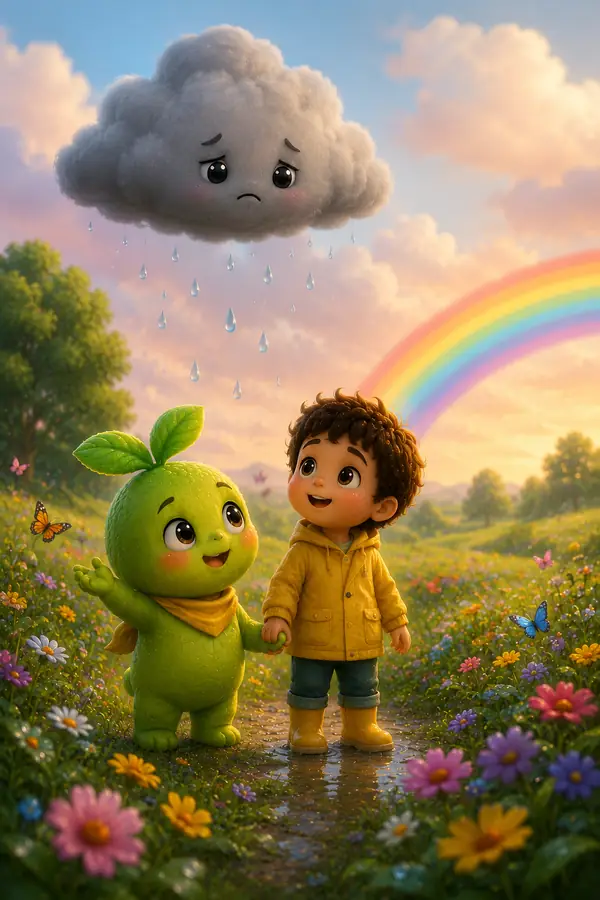
Read together →
Read together →
Read together →
Read together →
Read together →
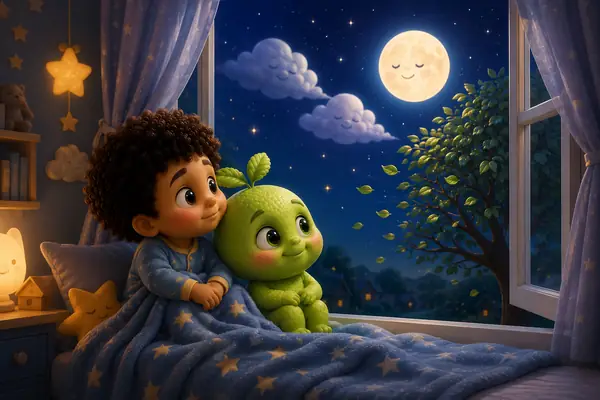
Read together →
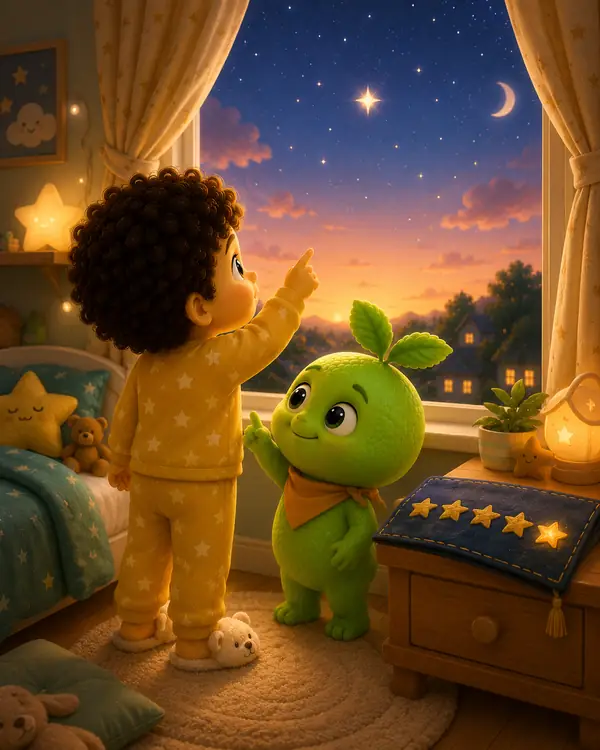
Read together →
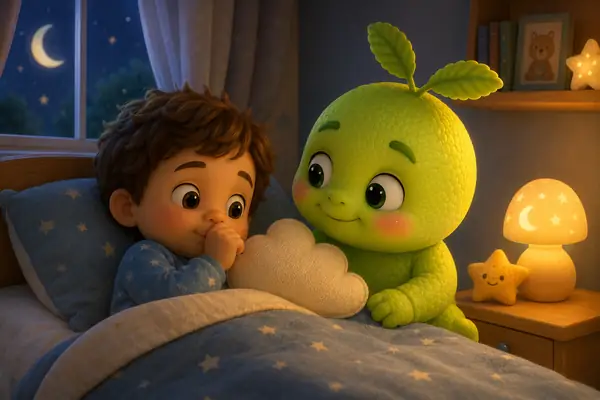
Read together →
Answers are simplified for young children and checked against child-friendly science references.