 Kidy
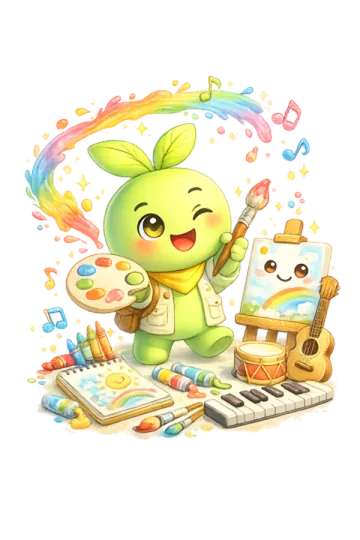
What color is your crayon?
Crayons come in every color you can think of, red, blue, yellow and more. Pick one up and look at its color.
7 more questions: Drawing and coloursarrow_forwardArt brings together 12 topics and 64 questions, from “What color is your crayon?” to “Why do we like making art?”. Choose what your child is curious about today.
One question from each topic, with an answer you can say out loud to your child.
Crayons come in every color you can think of, red, blue, yellow and more. Pick one up and look at its color.
7 more questions: Drawing and coloursarrow_forwardSome paints contain a special ingredient called a binder that hardens into a tough, tightly packed film as the paint dries, and that film can block water from soaking back through once it sets. Acrylic paint, for example, dries into a kind of thin plastic layer, which is exactly why it holds up outdoors and survives a light splash of rain far better than paints like watercolour or poster paint. A binder is really doing two jobs at once, gluing the tiny bits of pigment to the surface and to each other, and forming that protective outer layer once everything dries.
3 more questions: How art materials workarrow_forwardEarly humans painted animals like bison, horses and deer deep inside caves using pigments made from crushed minerals and charcoal, likely to record what mattered most in their daily survival, the animals they hunted, feared or depended on. Some researchers believe these paintings played a role in rituals meant to bring successful hunts or mark important knowledge for the next generation, since many appear in hard to reach chambers rather than near cave entrances where people actually lived. Because these paintings have survived for tens of thousands of years in total darkness, they give us one of our only direct glimpses into how prehistoric humans thought, communicated and understood their world.
3 more questions: Art history and movementsarrow_forwardPaint feels wet and smooth. You can spread it with a brush or even your own fingers.
7 more questions: Paint and brushesarrow_forwardOrigami is the art of folding paper into shapes and figures using nothing but your hands, without any cutting or gluing at all, turning one flat square sheet into something like a crane, a boat or a flower through a careful sequence of folds. Each fold has to happen in a specific order and direction, since a single fold changes exactly where every fold after it can go, which makes origami feel a bit like solving a puzzle with your hands. Some origami designs need only a handful of simple folds, while others require dozens of precise, tiny folds worked out over hundreds of years by paper folding experts.
3 more questions: Art around the worldarrow_forwardPaintings are made of organic materials like wood, canvas, glue and pigment that slowly expand, shrink, crack or fade in response to changes in humidity, temperature and light, even changes too small for a person to notice. Museums keep gallery rooms at steady, carefully measured conditions specifically to slow down this constant, invisible decay, since even tiny daily fluctuations can add up to real damage over decades of display. Bright light in particular can permanently fade certain pigments over time, which is why some especially delicate artworks are displayed under deliberately dim lighting or rotated out of view periodically to limit total light exposure.
3 more questions: Museums and preservationarrow_forward12 focused sets make it easy to follow the questions your child is asking today. Each topic opens its own complete collection.
Around four and five, children ask "why" about everything, and that is exactly how they learn. Every question is a small door into how the world works. A short, honest answer keeps that door open, while "because I said so" quietly closes it.
You do not need to be an expert. Answering "let us find out together" is often better than knowing, because your child learns that not knowing is the start of discovery. Each card gives you a simple answer to start from, then a question to keep the chat going.
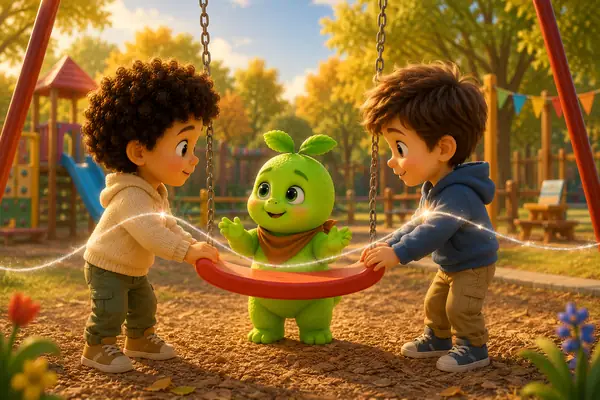
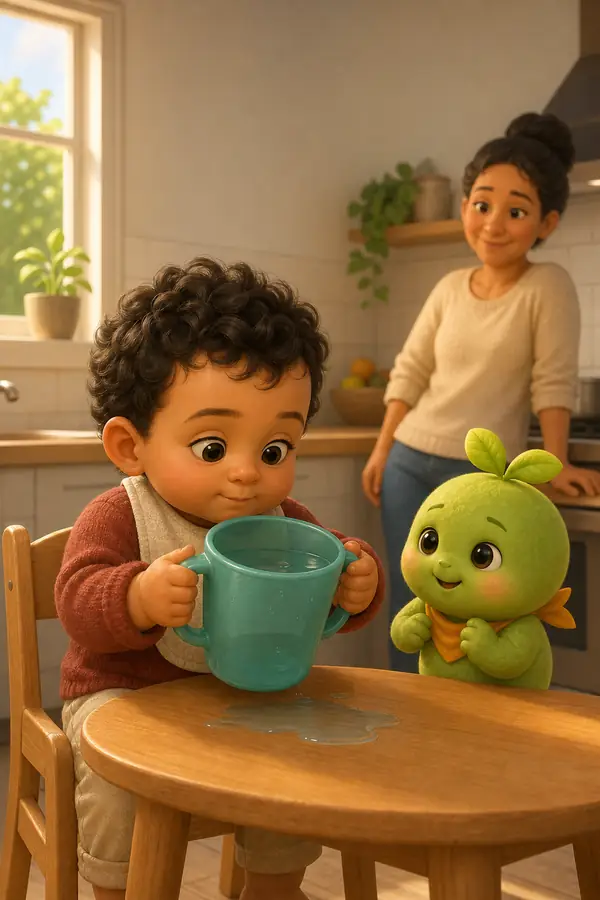
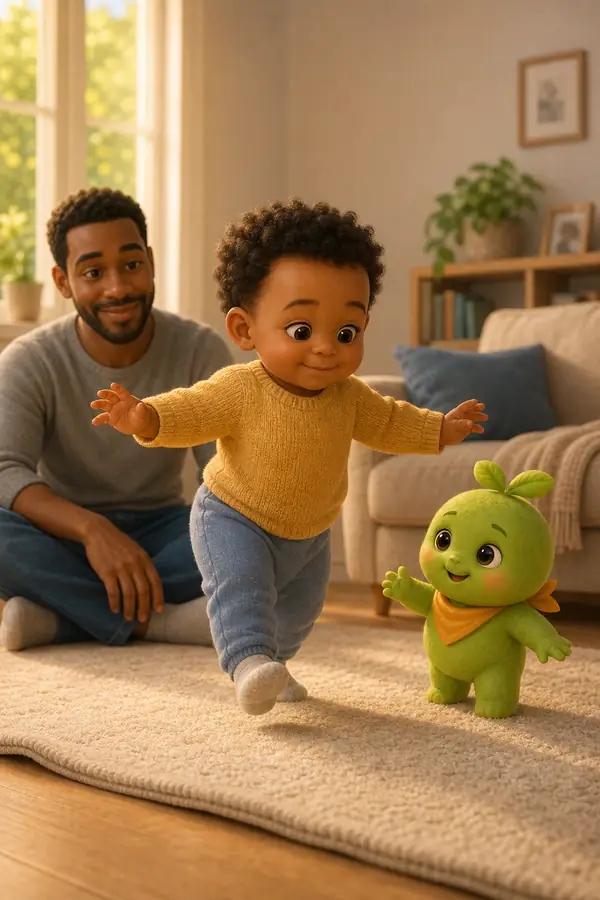
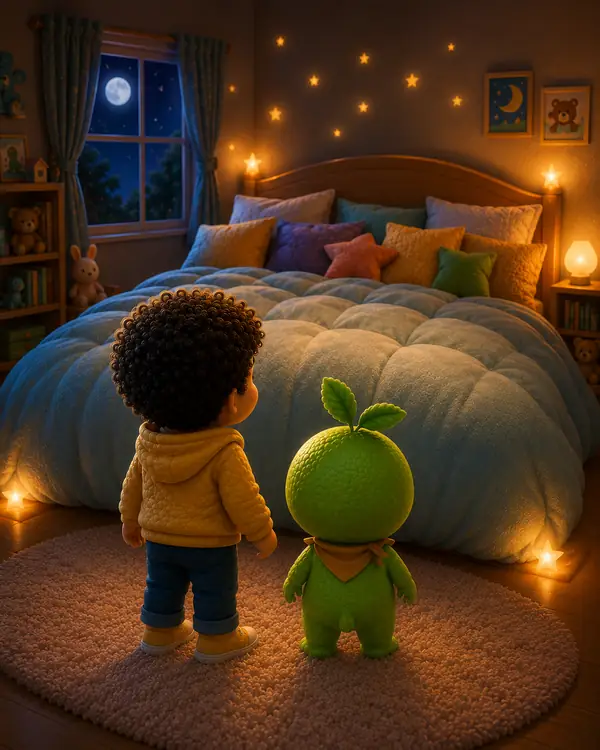
menu_bookFor parents: Why does my child ask "why" all the time?Gentle stories where your child is the hero and Grow the friend.
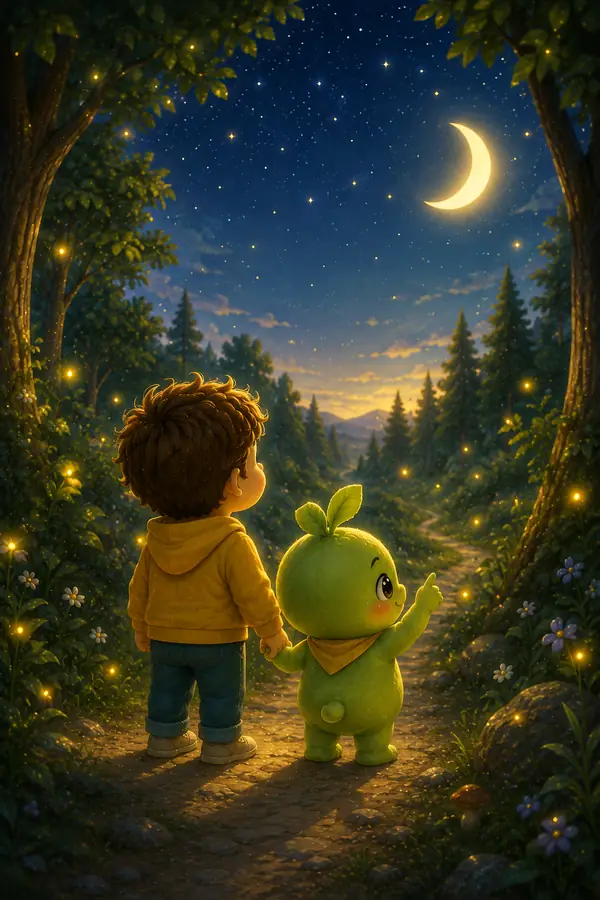
Read together →
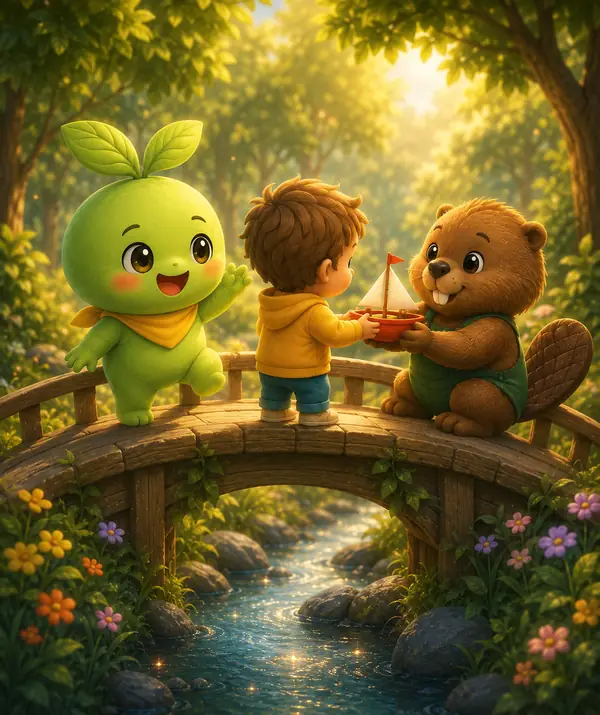
Read together →
Read together →
Read together →
Read together →
Read together →
Read together →
Read together →
Read together →
Read together →
Answers are simplified for young children and checked against child-friendly science references.