 Kidy
Kidy
Animals
Animals brings together 12 topics and 64 questions, from “What sound does a cat make?” to “Why do we need so many different animals?”. Choose what your child is curious about today.
Choose a topic
12 focused sets make it easy to follow the questions your child is asking today. Each topic opens its own complete collection.
Cats
- What sound does a cat make?
- Why do cats purr?
- What does a cat like to eat?
Dogs
- What sound does a dog make?
- Why do dogs wag their tails?
- What does a dog like to do?
Bees
- What sound does a bee make?
- Why do bees collect pollen?
- How do bees make honey?
Night animals
- What sound does an owl make?
- Why can owls see at night?
- Which animals are awake at night?
Ocean animals
- How do fish breathe underwater?
- How do whales hold their breath for so long?
- How do dolphins sleep without drowning?
Camouflage
- How does a chameleon change colour?
- Why do zebras have stripes?
- How do some animals hide in the snow?
Animal journeys
- Why do birds fly away for winter?
- How do birds find their way over such long trips?
- How do tiny butterflies travel so far?
Life cycles
- How does a caterpillar become a butterfly?
- How does a tadpole turn into a frog?
- Why do snakes shed their skin?
Evolution
- What is evolution?
- Are birds really dinosaurs?
- Why do animals go extinct?
Animal minds
- Which animals use tools?
- Do animals have feelings?
- How good is animal memory?
Extreme survival
- How do animals survive in the desert?
- How do creatures live in the deep, dark sea?
- What really happens during hibernation?
Webs of life
- What is a keystone animal?
- How can wolves change a whole landscape?
- How do two different animals help each other?
Why "why" questions matter
Around four and five, children ask "why" about everything, and that is exactly how they learn. Every question is a small door into how the world works. A short, honest answer keeps that door open, while "because I said so" quietly closes it.
You do not need to be an expert. Answering "let us find out together" is often better than knowing, because your child learns that not knowing is the start of discovery. Each card gives you a simple answer to start from, then a question to keep the chat going.
menu_bookFor parents: Why does my child ask "why" all the time?When the questions run out, a story
Gentle stories where your child is the hero and Grow the friend.
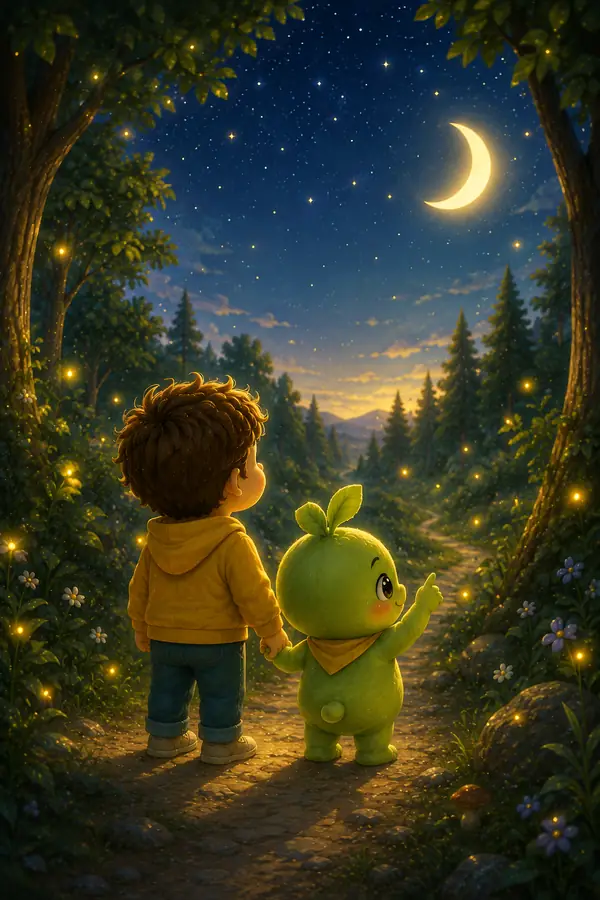
Grow and the Stars
Read together →
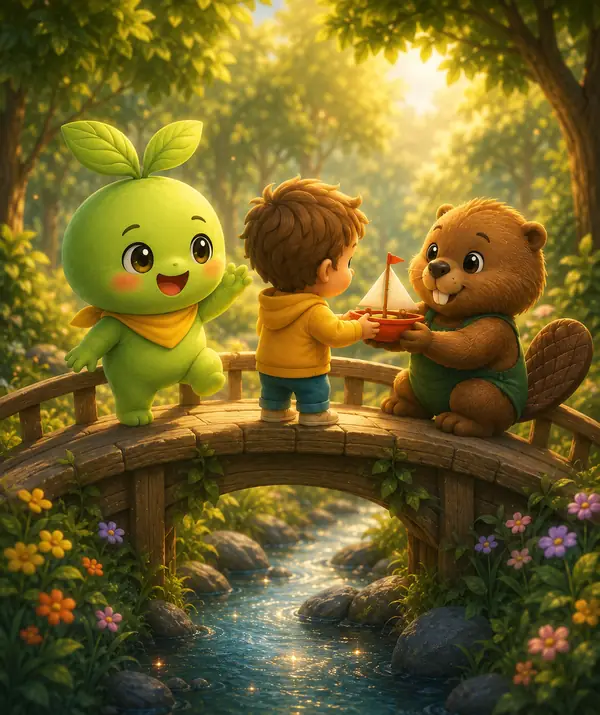
Grow and the Magic Bridge
Read together →
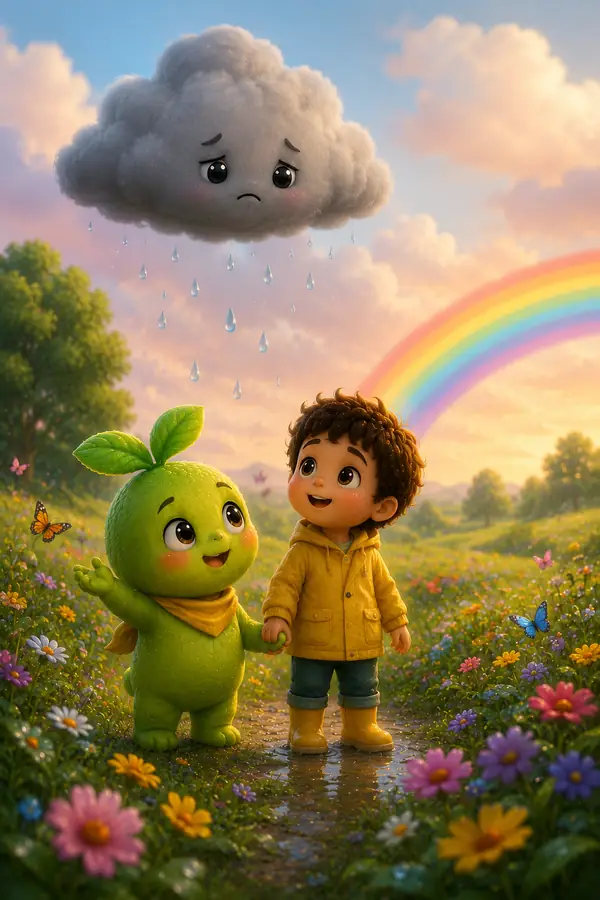
Grow and the Cloud Full of Feelings
Read together →
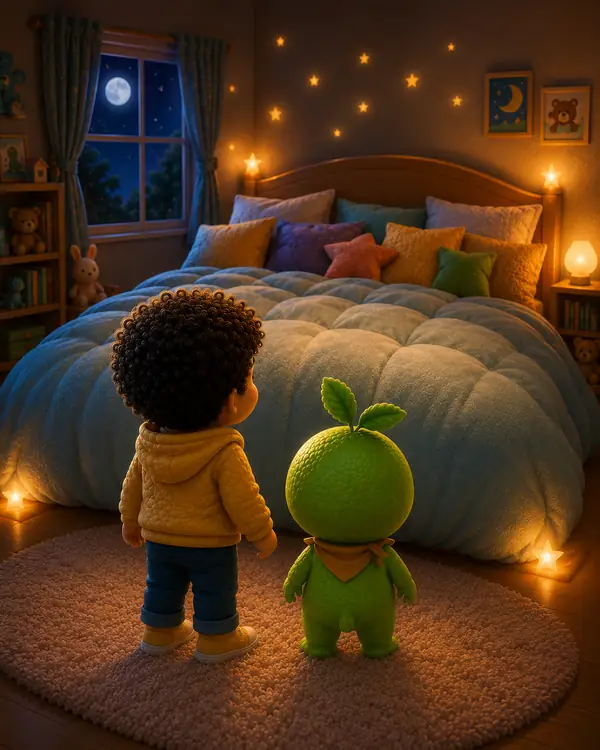
Grow and the Very Big Bed
Read together →

Grow Stays Close
Read together →
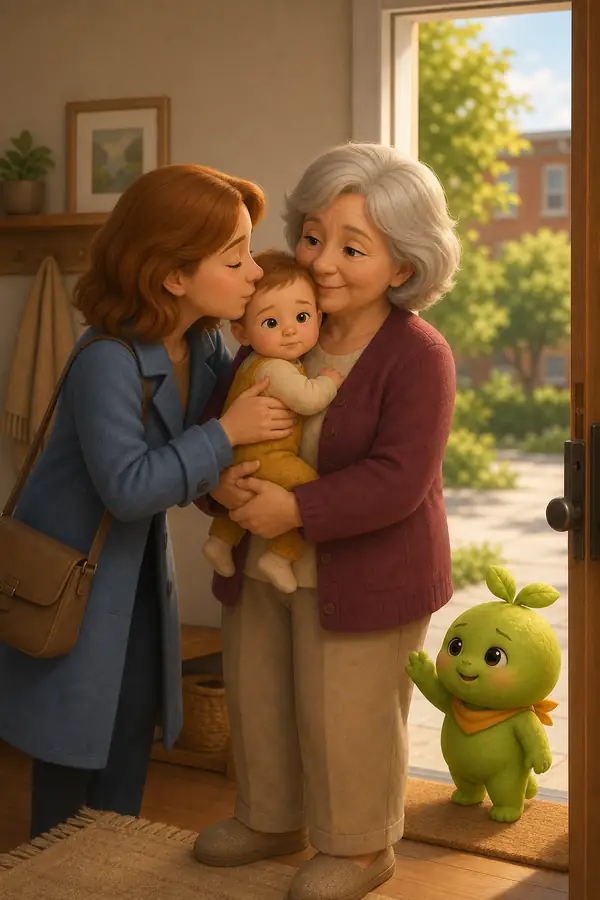
Grow Waves Goodbye
Read together →
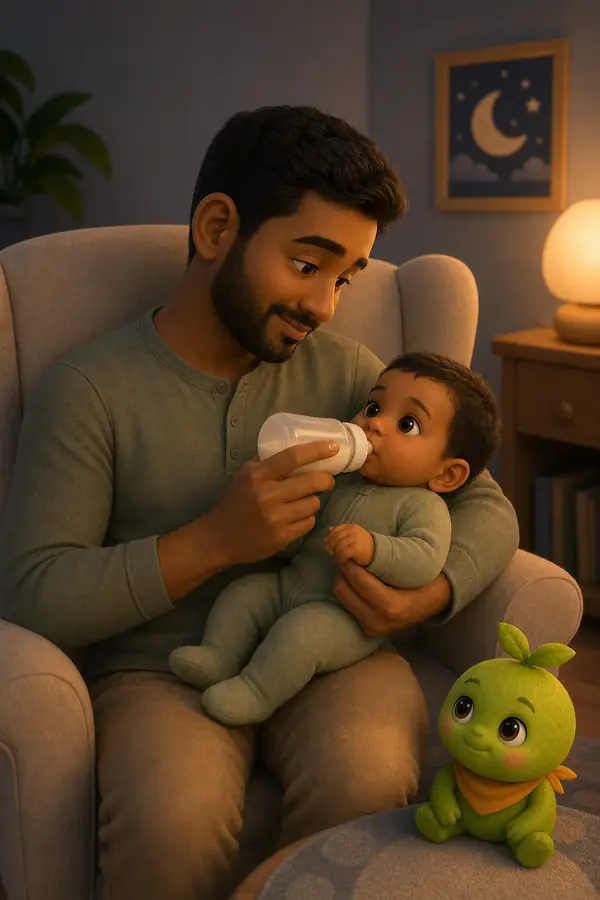
Grow and the Warm Arms
Read together →
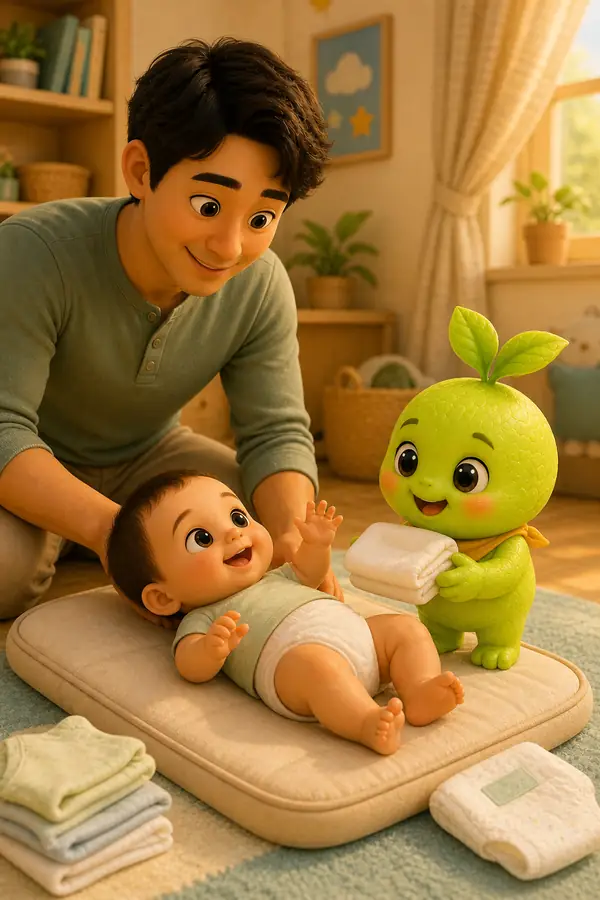
Grow and the Cold Air
Read together →
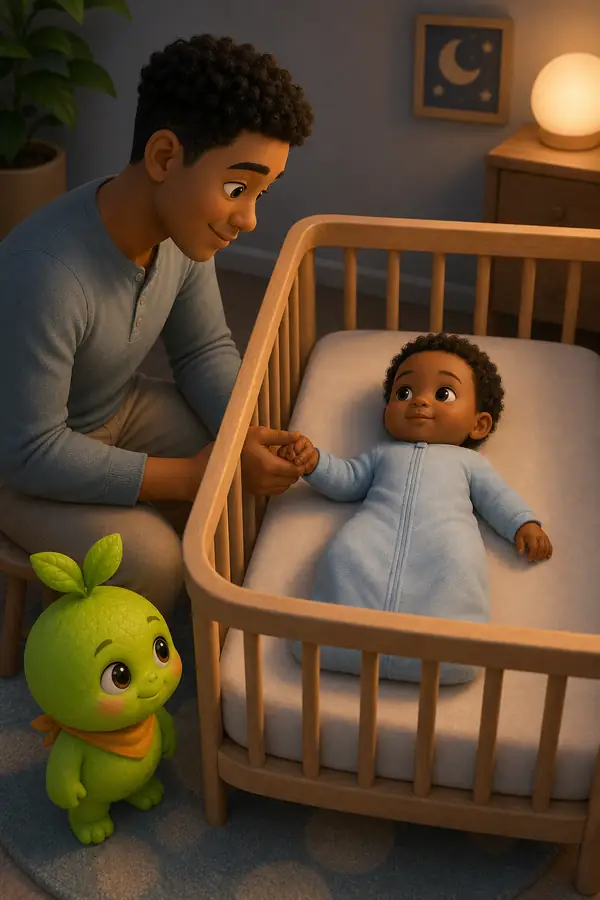
Grow and the Quiet Room
Read together →
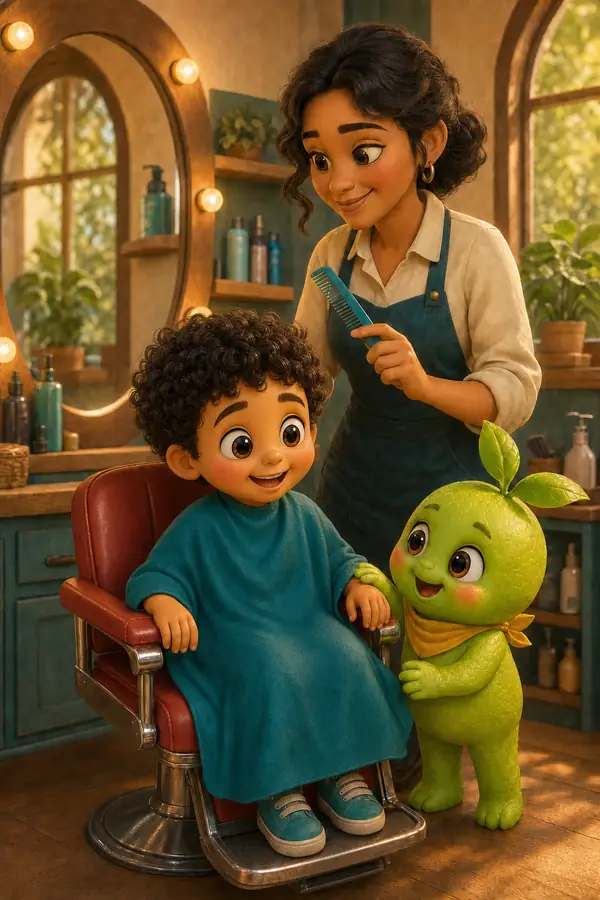
Grow and the Snip Snip Chair
Read together →
Sources
Answers are simplified for young children and checked against child-friendly science references.