 Kidy
Kidy
History
History brings together 12 topics and 64 questions, from “Can you point to something old?” to “Why do historians keep changing their minds about the past?”. Choose what your child is curious about today.
Choose a topic
12 focused sets make it easy to follow the questions your child is asking today. Each topic opens its own complete collection.
Long ago basics
- Can you point to something old?
- What does "long ago" mean?
- How do we know something is old?
Archaeology and evidence
- How do we actually know what happened in the past?
- What is archaeology?
- How do scientists figure out how old something is?
Ancient Egypt
- What was ancient Egypt like?
- Why did Egyptians build pyramids?
- What was a pharaoh?
Cave people and first tools
- Have you seen an old drawing on a wall?
- Who were the first people on Earth like?
- Can you draw with a stick or a rock?
Ancient Rome
- What was the Roman Empire?
- What did Romans build that we still use ideas from today?
- What was daily life like for a Roman kid?
How civilizations rise and change
- Why do civilizations rise in certain places?
- What makes a civilization powerful or advanced?
- Why do civilizations change or decline over time?
Cause and effect in history
- Does one event in history usually have just one cause?
- How can a small event change the course of history?
- Why do people sometimes make the same historical mistakes twice?
Castles and knights
- What does a castle look like?
- What is a castle?
- Can you build a tiny castle?
Explorers and new lands
- Why did explorers sail across the ocean?
- What tools helped sailors find their way?
- What happened when explorers met people already living in new lands?
Grandparents' time and old toys
- Can you find a photo of grandma or grandpa?
- What was different when your grandparents were little?
- Can you find an old toy at home?
Inventions through time
- How did the invention of writing change history?
- How did the printing press change the world?
- How did trains and engines change how people traveled?
Recording and passing down history
- How did history get written down before books existed?
- Why do different countries sometimes tell the same historical event differently?
- What is oral history, and why does it still matter today?
Why "why" questions matter
Around four and five, children ask "why" about everything, and that is exactly how they learn. Every question is a small door into how the world works. A short, honest answer keeps that door open, while "because I said so" quietly closes it.
You do not need to be an expert. Answering "let us find out together" is often better than knowing, because your child learns that not knowing is the start of discovery. Each card gives you a simple answer to start from, then a question to keep the chat going.
menu_bookFor parents: Why does my child ask "why" all the time?When the questions run out, a story
Gentle stories where your child is the hero and Grow the friend.
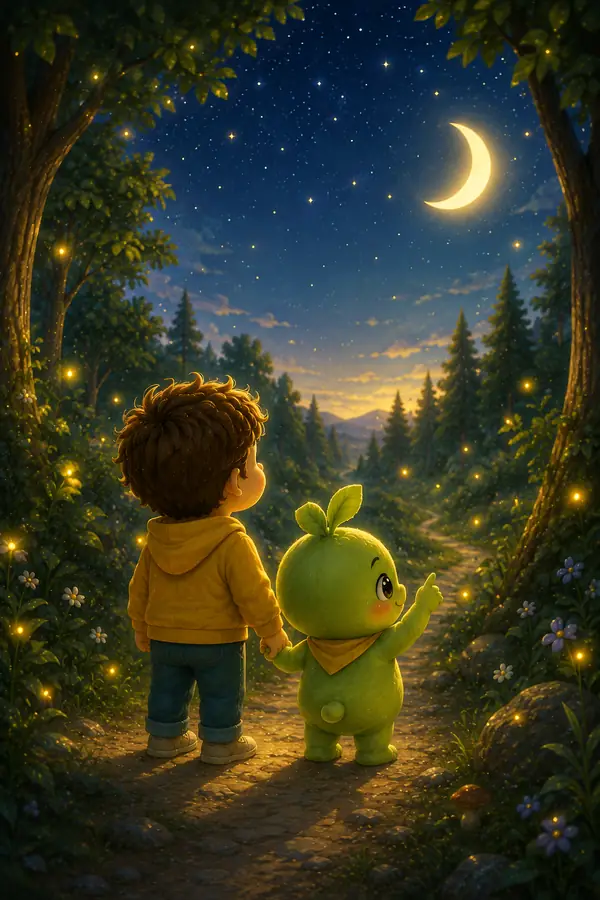
Grow and the Stars
Read together →
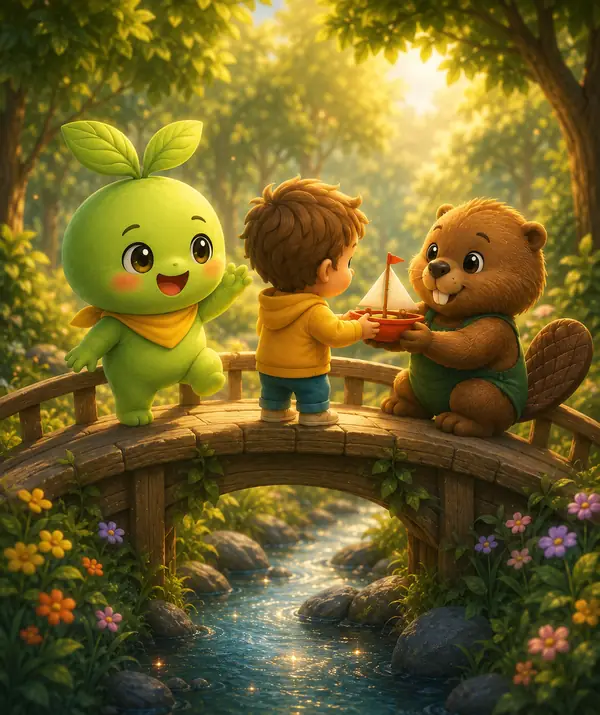
Grow and the Magic Bridge
Read together →
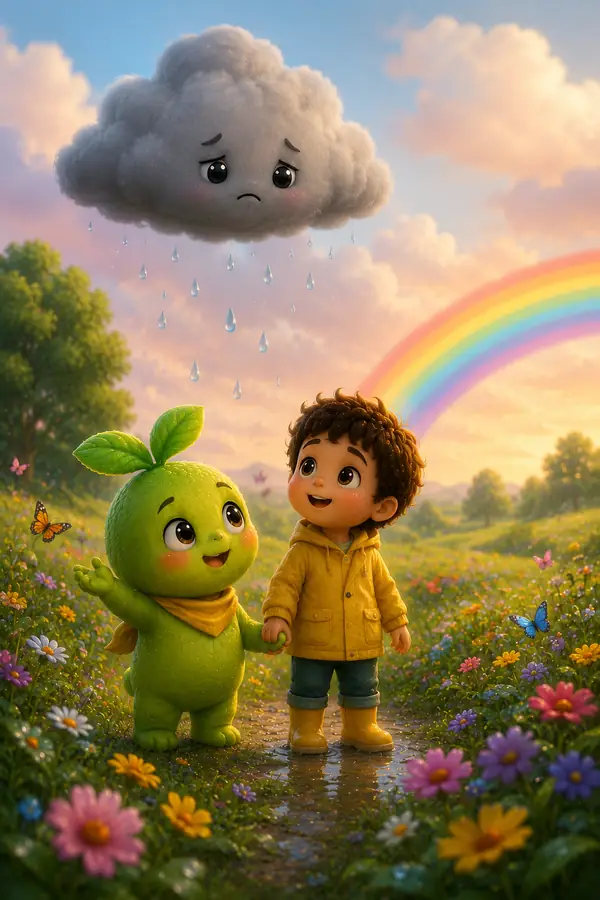
Grow and the Cloud Full of Feelings
Read together →
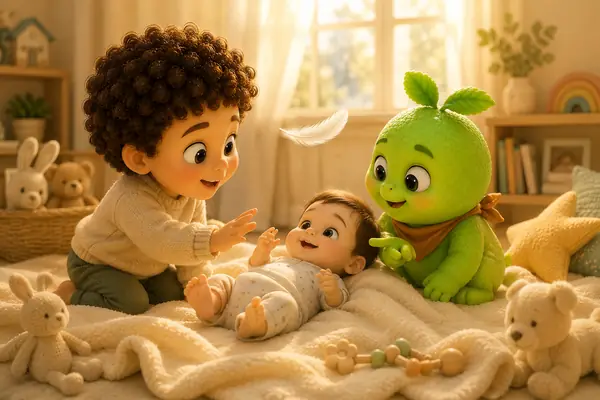
Grow and the Gentle Little Hands
Read together →
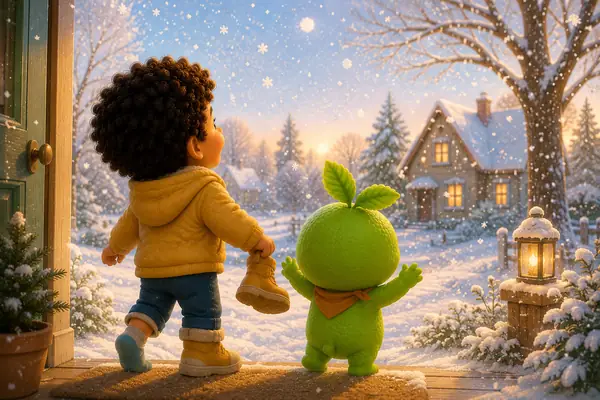
Grow and the First Snow
Read together →
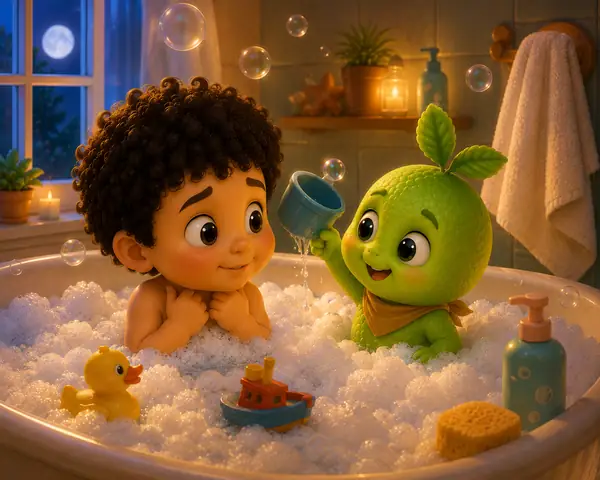
Grow and the Waterfall Hair
Read together →
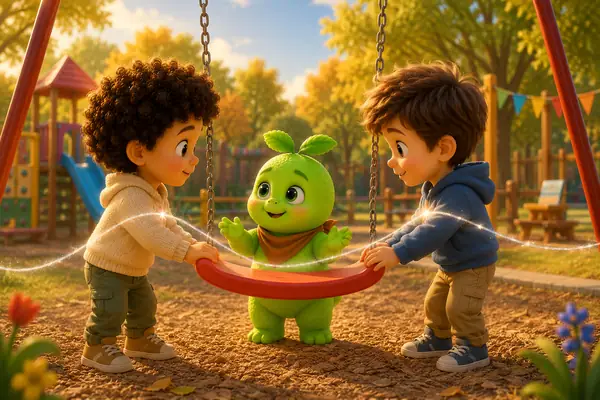
Grow and the Silver Thread
Read together →
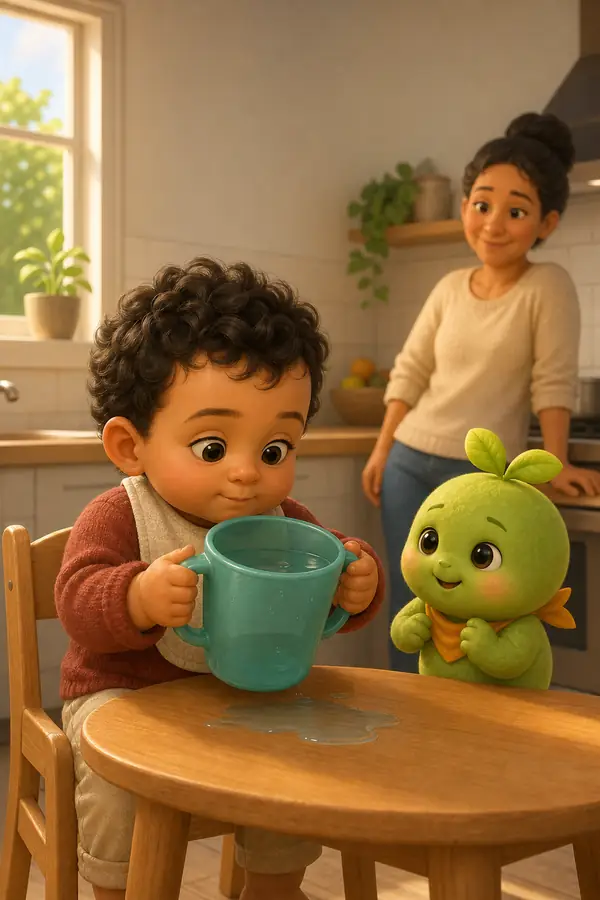
Grow and the Big Cup
Read together →
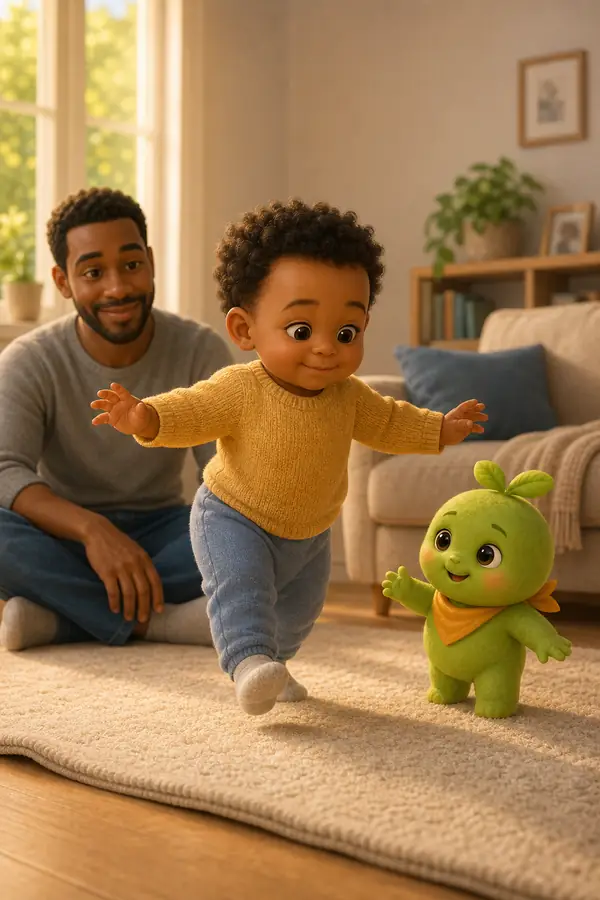
Grow and the Steps That Come Back
Read together →
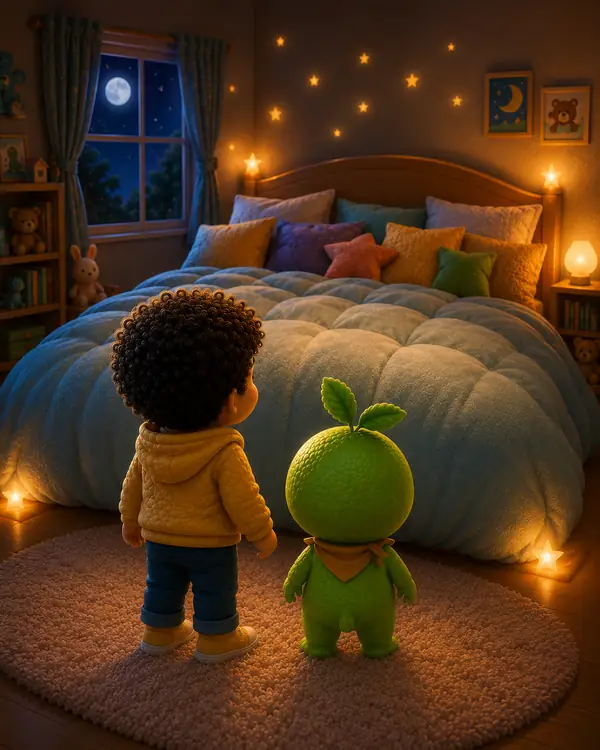
Grow and the Very Big Bed
Read together →
Sources
Answers are simplified for young children and checked against child-friendly science references.