 Kidy
Kidy
Earth
Earth brings together 12 topics and 64 questions, from “What are tectonic plates?” to “Why do sand dunes look like hills?”. Choose what your child is curious about today.
Choose a topic
12 focused sets make it easy to follow the questions your child is asking today. Each topic opens its own complete collection.
Plate tectonics
- What are tectonic plates?
- How do scientists know continents were once joined together?
- What happens at the edge where two tectonic plates meet?
Dirt and soil
- What does dirt feel like?
- What is dirt actually made of?
- What color is dirt?
Volcanoes
- What is a volcano?
- Why do volcanoes erupt?
- What is lava, and how is it different from magma?
Rocks and pebbles
- What are rocks made of?
- What does a rock feel like?
- What color is your favorite rock?
Earthquakes
- What causes an earthquake?
- Why do earthquakes happen more in some places than others?
- How do scientists measure how strong an earthquake is?
Rock cycle and minerals
- What is the rock cycle?
- What is the difference between igneous, sedimentary, and metamorphic rock?
- What is a mineral, and how is it different from a rock?
Caves and underground
- How do caves form underground?
- What are stalactites and stalagmites, and how do they grow?
- Why is it always the same temperature inside a cave?
Mountains and hills
- How do mountains form?
- What is a mountain?
- What is a hill?
Earth's layers
- What are the different layers inside planet Earth?
- Why is Earth's core so incredibly hot?
- How do scientists study Earth's layers if no one has ever drilled all the way down?
Rivers and erosion
- How do rivers carve canyons out of solid rock?
- Why do rivers curve and bend instead of flowing straight?
- What is erosion, and how does it slowly change the land?
Natural resources and land use
- What counts as a natural resource, and why do we need them?
- What is the difference between a resource that runs out and one that renews itself?
- How do humans decide how to use land, farming, cities, or wild spaces?
Sand and deserts
- What does sand feel like?
- What is sand actually made of?
- What can you build with sand?
Why "why" questions matter
Around four and five, children ask "why" about everything, and that is exactly how they learn. Every question is a small door into how the world works. A short, honest answer keeps that door open, while "because I said so" quietly closes it.
You do not need to be an expert. Answering "let us find out together" is often better than knowing, because your child learns that not knowing is the start of discovery. Each card gives you a simple answer to start from, then a question to keep the chat going.
menu_bookFor parents: Why does my child ask "why" all the time?When the questions run out, a story
Gentle stories where your child is the hero and Grow the friend.
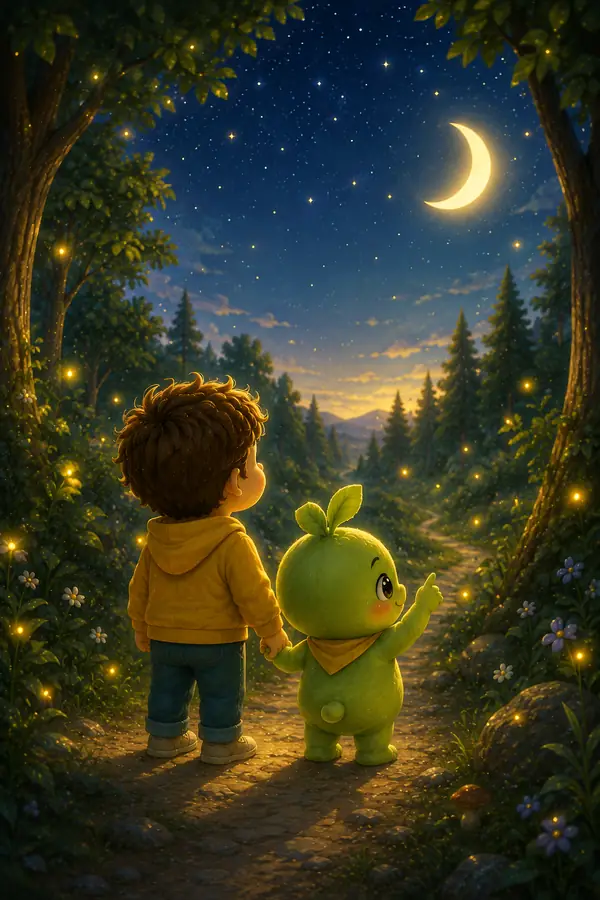
Grow and the Stars
Read together →
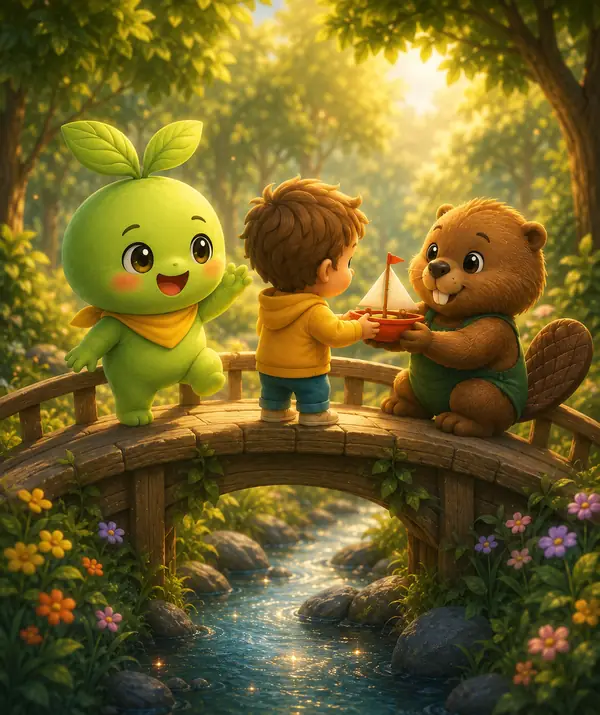
Grow and the Magic Bridge
Read together →
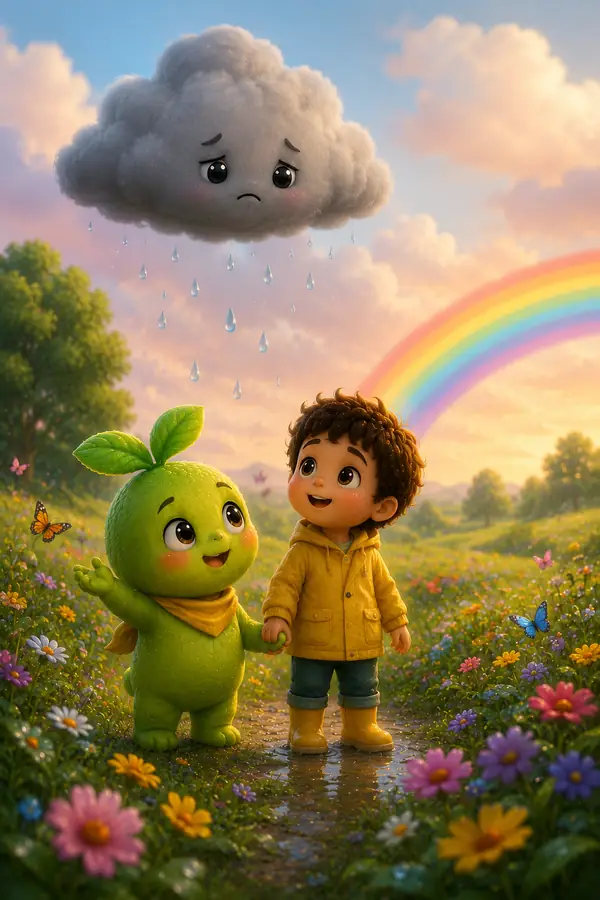
Grow and the Cloud Full of Feelings
Read together →
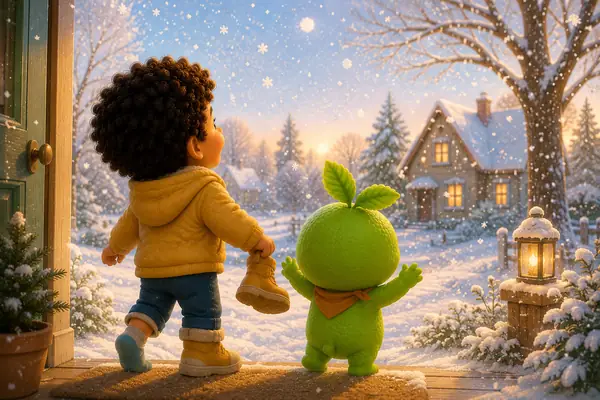
Grow and the First Snow
Read together →
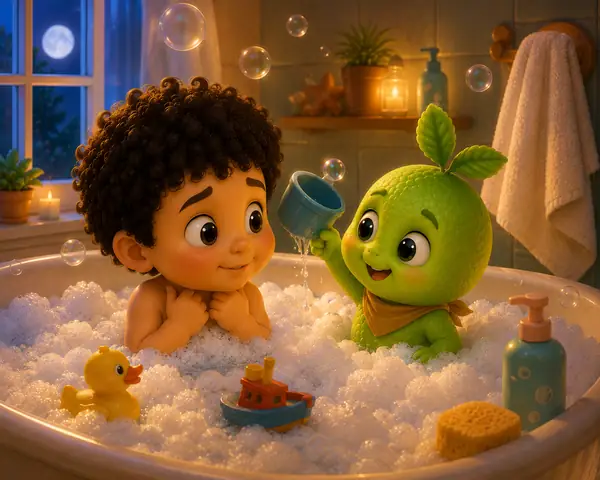
Grow and the Waterfall Hair
Read together →
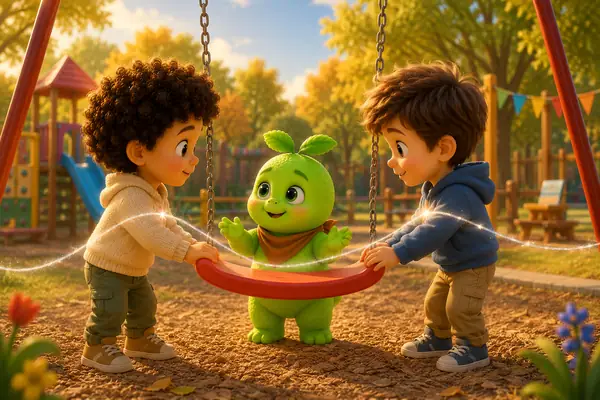
Grow and the Silver Thread
Read together →
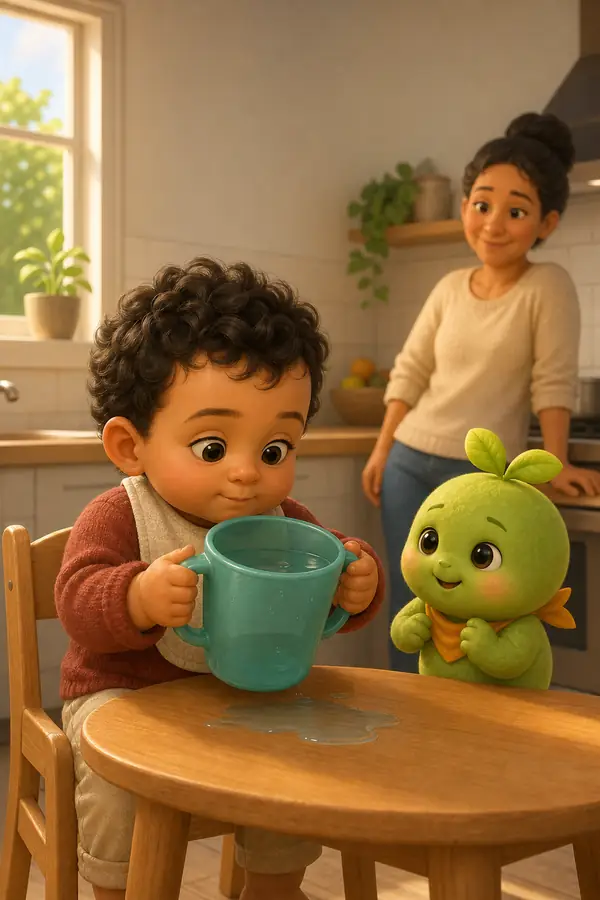
Grow and the Big Cup
Read together →

Grow and the Steps That Come Back
Read together →
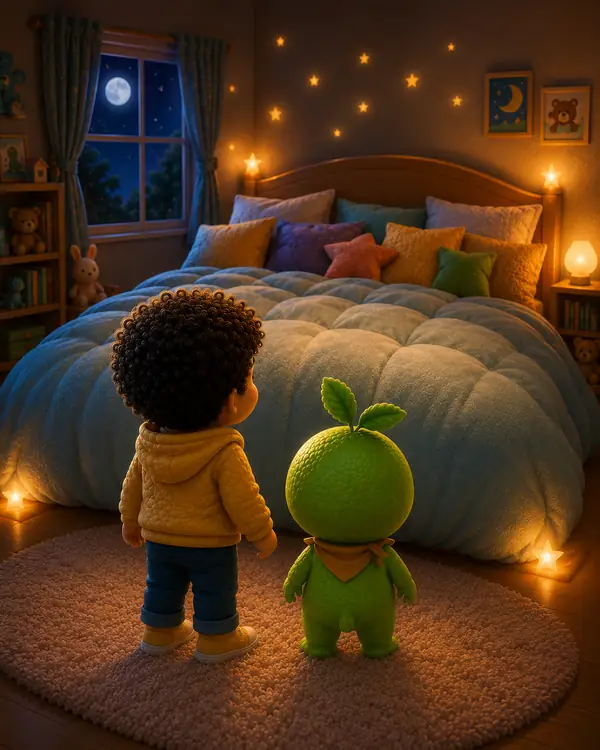
Grow and the Very Big Bed
Read together →

Grow Stays Close
Read together →
Sources
Answers are simplified for young children and checked against child-friendly science references.